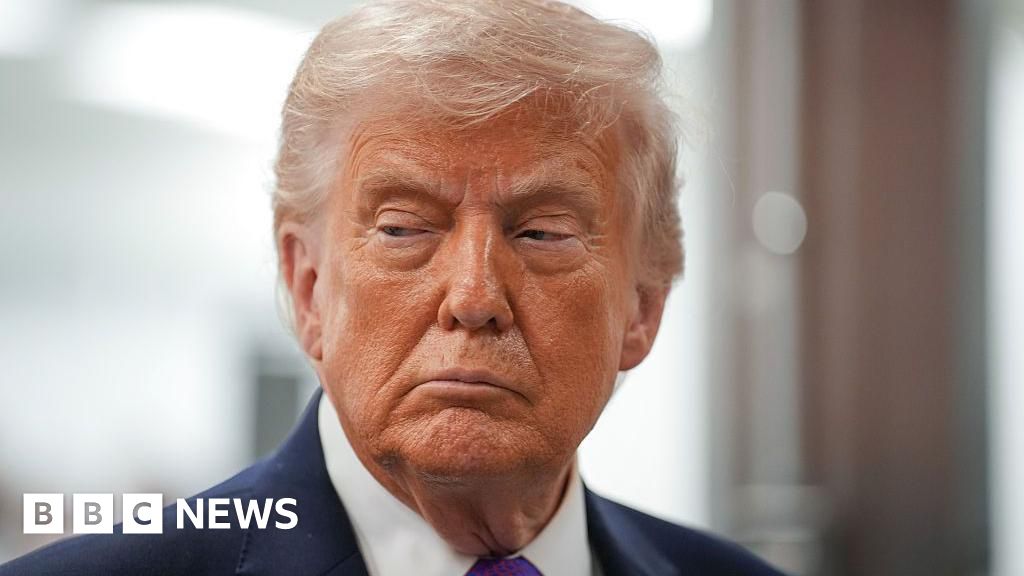
Key numbers: reported US preparation to request $200bn in emergency funding and deployment of Marine expeditionary units (~2,500 troops each) indicate a potential prolonged, costly escalation; the Strait of Hormuz handles ~20% of global oil exports. Policy ambiguity from the US president and Iranian threats to Kharg Island and Red Sea shipping raise near-term upside risk to oil prices, shipping/insurance costs and broader market volatility — treat as a market-wide tail-risk scenario.
The market is pricing a high degree of policy optionality: Washington can choose calibrated attrition (air strikes, sanctions, interdictions) or discrete escalation (island seizure, limited ground operations). That optionality favors assets tied to sustained kinetic activity (defense contractors, insurance/reinsurance capacity, tanker charters) while creating event-driven downside for flow-sensitive sectors (airlines, container shipping, EM sovereign credit) if chokepoints or insurance costs spike.
Second-order supply effects will show up in logistics cost curves more than in immediate production cuts: rerouting around contested choke points adds voyage days, raises fuel burn and insurance premia, and compresses refinery crude slate optionality — a material margin shock for refiners and regional petrochemical chains over 4–12 weeks. Fiscal follow-through (a large emergency request) raises the probability of incremental Treasury issuance in the next quarter, pressuring front-end real yields and complicating dollar/EM FX dynamics if the conflict persists.
Near-term catalysts to watch are two binary items: explicit US ground-move signaling (24–72 hour market reaction window) and a Congressional rejection or conditionality on emergency funding (1–3 week policy window). The largest regime reversers are rapid negotiated de-escalation or a decisive strategic blow that materially reduces Iranian strike capacity — either can unwind defense/oil premia within days and leave crowded longs exposed.
Positioning should therefore be tactical and option-aware: overweight exposures that pay off if kinetic operations continue for months, but sized and hedged for fast resolution scenarios where volatility collapses and liquidity flows back to pro-risk assets.
AI-powered research, real-time alerts, and portfolio analytics for institutional investors.
Request DemoOverall Sentiment
mildly negative
Sentiment Score
-0.35
