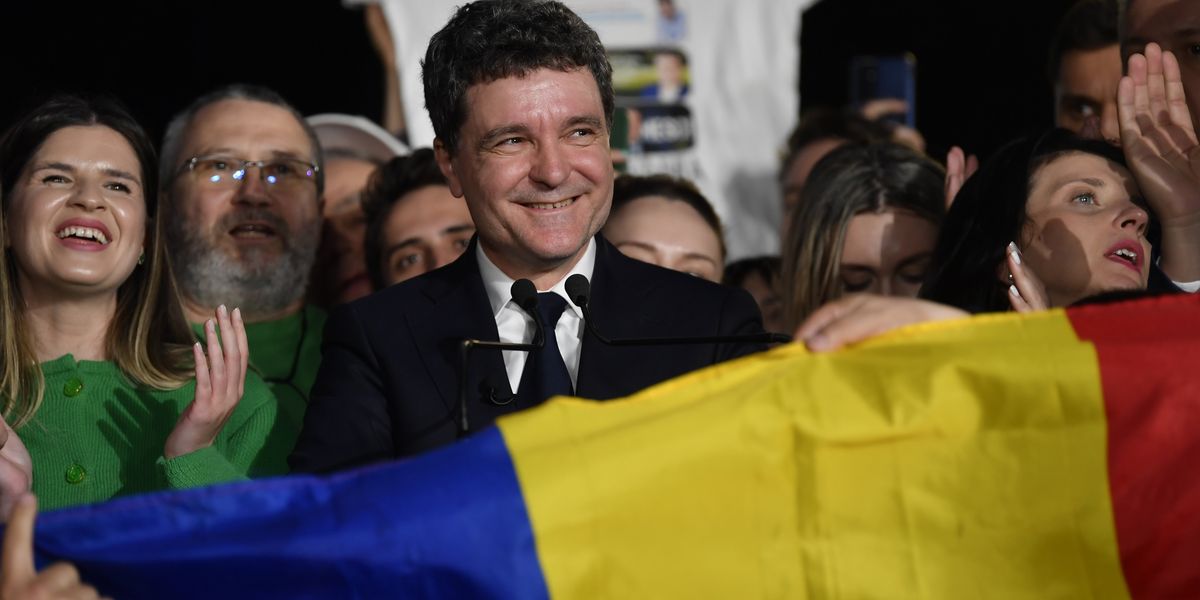
Recent presidential elections in Poland and Romania highlight the ongoing tension between nationalist, pro-U.S. factions and pro-EU centrists. In Romania, the pro-EU candidate Nicosur Dan defeated nationalist George Simion, easing concerns about Romania's EU funding and borrowing terms. Meanwhile, Poland's first-round results show a tight race between Rafał Trzaskowski (pro-EU) and Karol Nawrocki (right-wing), with the potential for nationalist voters to swing the June 1st runoff, impacting Prime Minister Tusk's European cooperation efforts amid debates over support for Ukraine and the EU's role.
Recent presidential elections in Poland and Romania highlight significant political currents within the European Union, marked by tensions between pro-EU centrists and nationalist factions. In Romania, the pro-EU Nicosur Dan secured a decisive 54% to 46% victory over nationalist George Simion in the second round, a result that eased immediate concerns regarding Romania's EU funding and borrowing terms, which had shown volatility prior to the vote; turnout increased to 65% in this decisive round. Conversely, Poland faces an uncertain June 1st presidential runoff, where the pro-EU Rafał Trzaskowski leads the right-wing Karol Nawrocki by a narrow margin (31.4% vs 29.4%) from the first round, which saw a high turnout of over 67%. The nearly 15% vote share for the further-right Sławomir Mentzen could pivot the outcome towards Nawrocki, potentially creating friction with Prime Minister Tusk's pro-European government and impacting cooperation on key issues like support for Ukraine, especially given the Polish electorate's historical preference for presidents that check parliamentary majorities. These electoral contests underscore a broader European trend of political reorganization, pitting U.S.-leaning 'sovereigntist' movements against EU solidarity, with implications for the Union's cohesion, its stance on geopolitical issues like the Ukraine war, and its internal policies on topics such as migration and the green transition. The overall 'Uncertain' political tone and neutral sentiment score reflect this ongoing dynamic and the potential for fundamental shifts in European party competition and EU institutional design.
AI-powered research, real-time alerts, and portfolio analytics for institutional investors.
Request DemoOverall Sentiment
Neutral
Sentiment Score
-0.10
