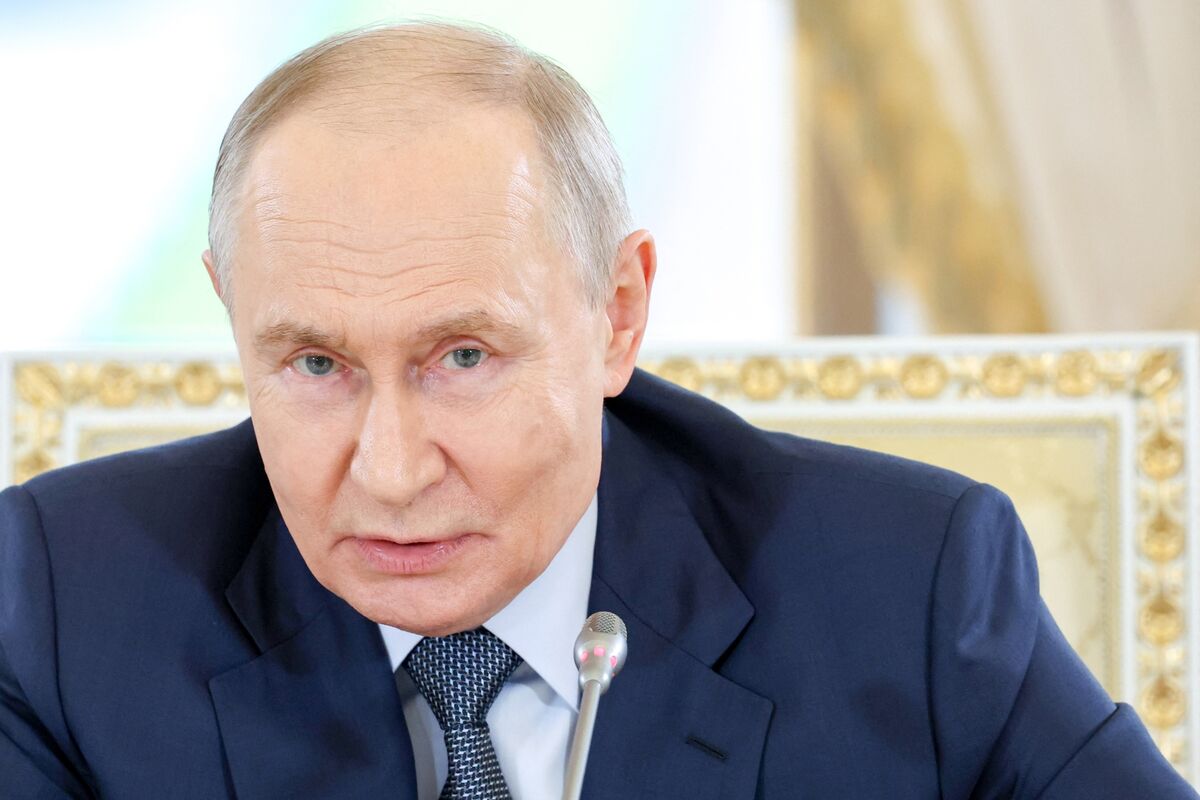
President Vladimir Putin will host ASEAN leaders in Kazan for the bloc’s first summit since Russia’s full-scale invasion of Ukraine, with energy security likely to be the main agenda item. Leaders expected to attend include Philippines President Ferdinand Marcos Jr., Malaysia Prime Minister Anwar Ibrahim, and Thailand’s Anutin Charnvirakul. The event is geopolitically notable but presents limited immediate market-moving implications.
This summit is less about diplomacy than about signaling optionality in energy procurement. The second-order effect is that Southeast Asian buyers are reinforcing a “multi-origin” strategy: even if they do not materially increase Russian volumes, the mere willingness to engage weakens the pricing power of incumbent LNG and crude suppliers by widening the set of credible alternatives. That matters most for contract renegotiations over the next 1-3 quarters, not for immediate barrels.
The most exposed losers are not European buyers this time, but marginal Atlantic Basin exporters and high-cost LNG developers that depend on long-dated Asian offtake. If ASEAN governments use the meeting to extract better terms from Gulf or U.S. suppliers, expect softer spot and prompt pricing for LNG first, then a slower bleed into term contract benchmarks. Infrastructure-linked beneficiaries are subtler: shipping, storage, and downstream refining/logistics firms with exposure to rerouted trade flows could see higher utilization as buyers arbitrage origin risk.
The key tail risk is sanctions creep. A visible expansion of Russian energy cooperation with ASEAN could prompt secondary-sanctions rhetoric, especially if any banking or insurance channels become involved. The market is likely underpricing the probability of compliance friction in 6-12 months versus headline risk today; historically, these episodes matter most when they alter financing, insurance, or vessel availability rather than physical volumes.
Contrarian view: the summit may be more symbolic than transactional. The market may overestimate near-term supply displacement and underappreciate that most ASEAN states are optimizing for bargaining leverage, not ideological alignment. That argues for fading knee-jerk energy spikes unless there is evidence of signed offtake, shipping, or payment arrangements that survive a sanctions review.
AI-powered research, real-time alerts, and portfolio analytics for institutional investors.
Request DemoOverall Sentiment
neutral
Sentiment Score
0.00
