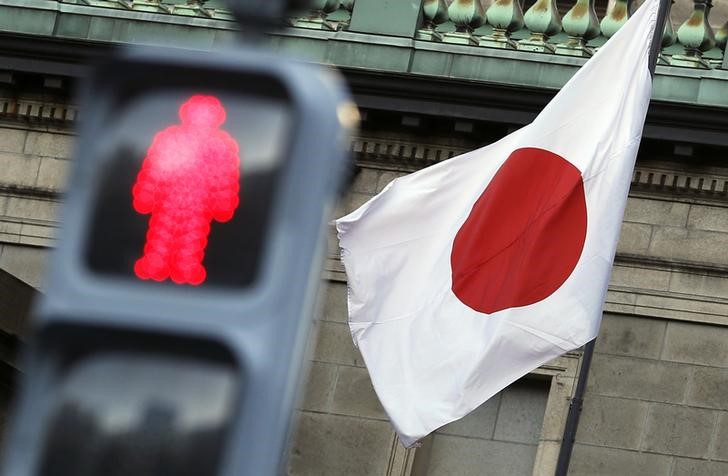
Japan's government is reportedly preparing to call for 'appropriate monetary management' in July policy guidelines, a signal it wants to discourage further Bank of Japan rate hikes after the June increase to the highest level since 1995. The draft language also emphasizes coordination with the BOJ to sustain a positive wage-price cycle and achieve the 2% inflation target. The shift reinforces expectations that policy will remain accommodative and could temper odds of another year-end rate increase.
This is a slow-burn policy shock rather than an immediate macro event: the key signal is that fiscal authorities are now openly leaning against further tightening just as markets were starting to price a more normal Japanese rate path. That matters because Japan’s rate regime is one of the biggest marginal drivers of global duration and FX positioning; even a small change in the perceived terminal rate can ripple through JGBs, USD/JPY, and global equity factor rotations. The first-order beneficiary is domestic balance sheets with duration exposure, but the larger second-order effect is a potential delay in the normalization of capital repatriation flows that would otherwise support the yen and pressure global carry trades.
The market is likely underestimating how sensitive Japanese financials are to a “higher-for-longer but capped” outcome. Banks benefit from steeper curves and a cleaner lending margin, but if political pressure keeps the BOJ behind the curve, the curve may steepen for the wrong reason: inflation expectations rising faster than policy credibility. That is toxic for long-duration domestic utilities, REITs, and leveraged balance-sheet names, while exporters may get a temporary FX tailwind if the yen weakens further. The second-order loser is any trade premised on sustained yen strength and faster BOJ normalization.
The biggest tail risk is a policy credibility break: if wages and prices keep accelerating while the BOJ is boxed in politically, the market can rapidly reprice inflation risk and import-cost pressure over a 3-6 month horizon. Conversely, if U.S. yields roll over and risk-off flows hit, the yen can strengthen even without BOJ hikes, which would invalidate simple one-way shorts. This makes the setup more attractive as a relative-value expression than as a naked macro bet.
The consensus may be too focused on the next rate move and not enough on the signaling effect: once the government starts defining what constitutes "appropriate" monetary management, the hurdle rate for future hikes rises materially. That can suppress JGB volatility near term, but it increases the probability of a later, more disorderly adjustment if inflation proves sticky. In other words, the trade-off is calmer markets now versus a larger regime-shift risk later.
AI-powered research, real-time alerts, and portfolio analytics for institutional investors.
Request DemoOverall Sentiment
neutral
Sentiment Score
-0.10
