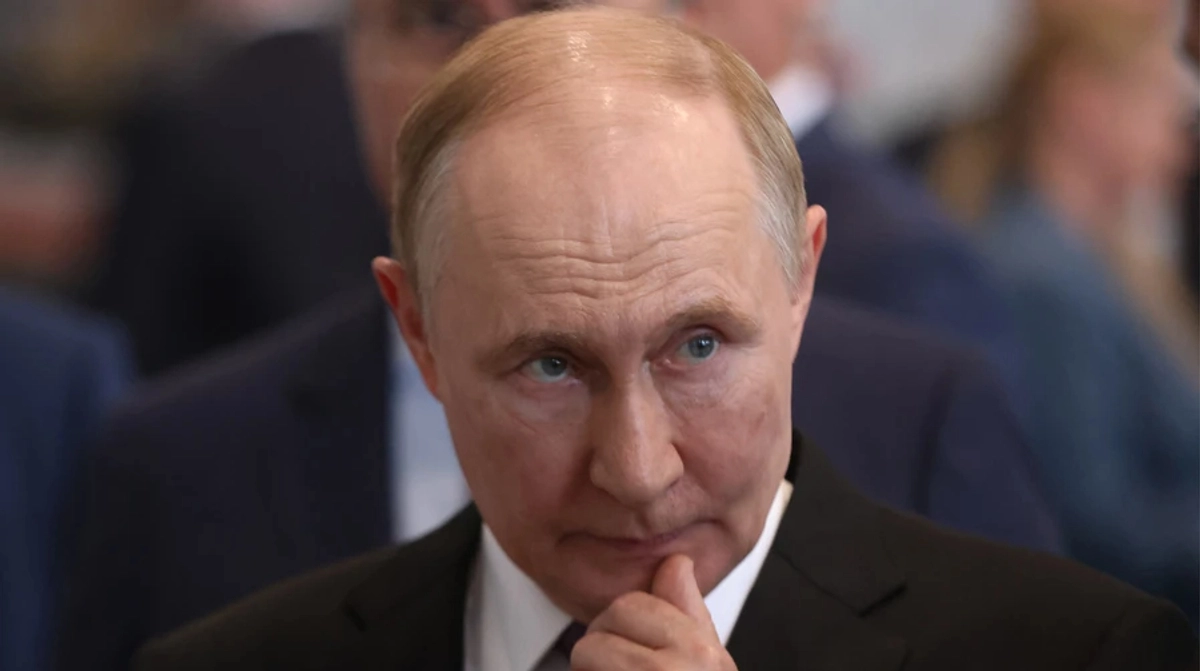
Bloomberg reports Putin wants to end the Ukraine war by year-end only on terms that secure a Russian 'victory,' including full control of Donbas and broader European recognition of Moscow’s territorial gains. Kremlin officials reportedly see a battlefield stalemate, while analysts warn Russia may need a second partial mobilisation within 12 months to sustain the war effort. The article points to rising elite nervousness and heightened geopolitical risk for Europe and defense markets.
The market implication is less about imminent peace and more about the probability distribution shifting toward a longer, more coercive war economy. If Moscow believes it needs another mobilization within 12 months, that is a signal for structurally higher domestic labor displacement, deeper fiscal strain, and more pressure on non-military sectors that rely on working-age male labor and industrial inputs. The second-order effect is that any short-lived de-escalation headline is likely to fade unless paired with verifiable force reductions and a sanctions roadmap, which currently looks unlikely.
For European assets, the key channel is not just defense spending but persistent risk-premium leakage into utilities, industrials, and cyclicals exposed to energy security and Eastern Europe trade routes. A “victory terms” settlement would not normalize risk quickly; it would likely freeze capital allocation uncertainty, keep insurance and financing costs elevated for border-region projects, and sustain demand for air defense, munitions, drones, EW, and logistics systems for years. The beneficiaries are prime contractors with visible backlogs and supply-chain bottlenecks, because the conflict now rewards production capacity over platform sophistication.
The contrarian read is that the elite-stability narrative may be over-interpreting internal discomfort as policy inflection. Regimes can absorb stalemates longer than markets expect, especially when the alternative is political loss from compromise; that means the base case should still be escalation management, not settlement. The true tail risk is a partial mobilization or a broader coercive move that forces Europe to reopen contingency planning around borders, LNG, and critical infrastructure defense, which would reprice defense spending and regional risk assets faster than most consensus models assume.
AI-powered research, real-time alerts, and portfolio analytics for institutional investors.
Request DemoOverall Sentiment
moderately negative
Sentiment Score
-0.40
