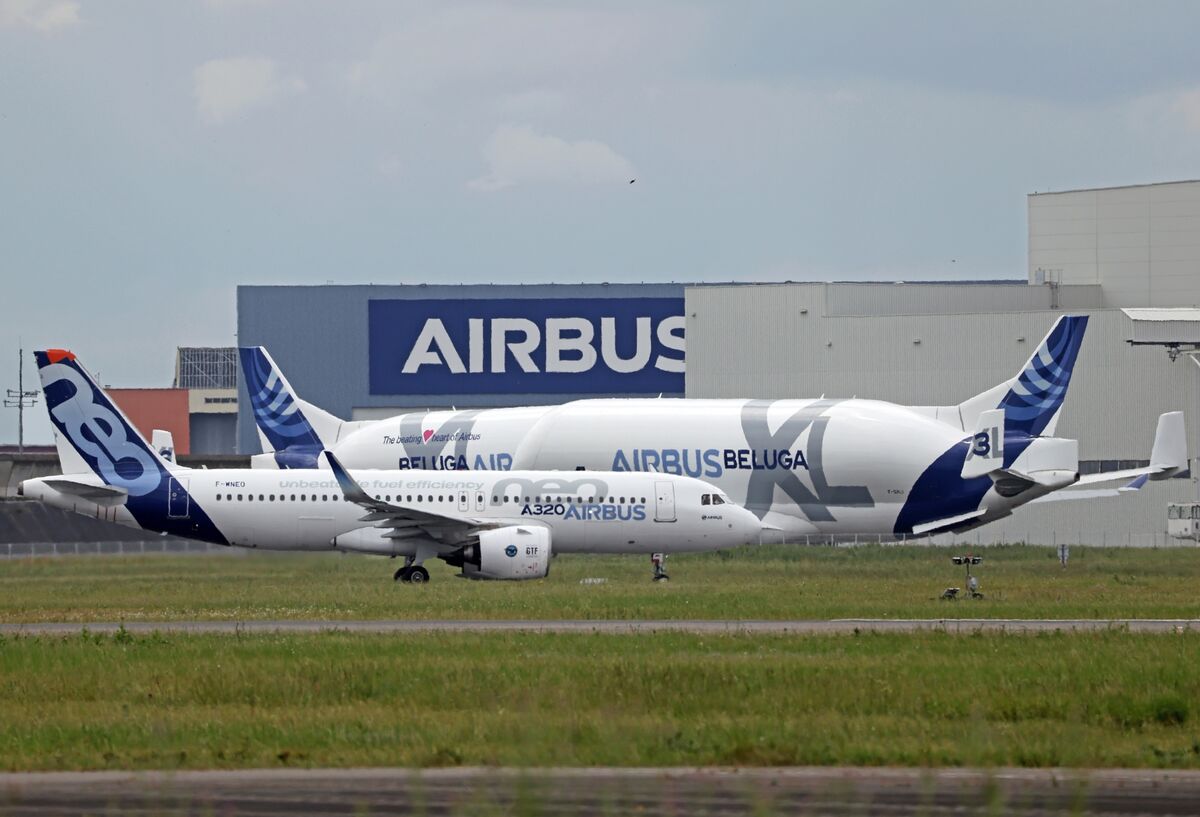
Airbus has instructed airlines to modify ground-engine procedures for certain narrowbody jets equipped with Pratt & Whitney engines, imposing takeoff restrictions in severe cold-weather icing scenarios — specifically in freezing fog with visibility under 150 meters (490 feet). The operational limitation could cause targeted delays or cancellations for affected carriers and raise short-term operational risk for Airbus and Pratt & Whitney, though impacts are likely limited geographically and condition-specific rather than systemic.
Market structure: The Airbus/Pratt & Whitney restriction is a targeted operational shock that hurts operators of P&W‑powered narrowbodies on freezing‑fog days (takeoff visibility <150m). Near term winners are MRO and spare‑parts providers (increased AOG/MRO demand) while engine OEM RTX faces reputational, service‑cost and potential liability pressure; airlines face disruption-driven unit‑cost and schedule‑reliability degradation. Cross‑asset: expect weaker airline equities and tighter airline credit spreads widening (5–50bp for weaker HY issuers) and a short‑term rise in airline equity implied vol; jet fuel and FX impact will be negligible outside localized markets.
Risk assessment: Tail risks include regulator escalations (EASA/FAA temporary flight limitations) or a major in‑flight/ground incident tying back to engines leading to multi‑month groundings and >20% hit to some carriers’ winter capacity. Immediate (days) effects are localized delays/cancellations; short term (weeks–months) possible order/delivery friction and reputational hits; long term (quarters–years) could shift aftermarket revenue mix toward MRO and retrofit demand. Hidden dependency: airlines with mixed fleets can re‑route capacity; less diversified carriers and regional airports in freezing‑fog climates bear disproportionate risk. Key catalysts: regulator bulletins, airline ops reports, RTX technical advisories, and winter‑weather spikes.
Trade implications: Favor tactical short exposure to airline index JETS over next 1–3 months to capture operational risk premium; hedge with small long positions in MRO names (HEI, AIR) for 6–12 months to play aftermarket revenue. Use option structures on RTX to express liability/volatility risk rather than large cash shorts; consider buying 3‑month put spreads to limit capital. Rotate away from high‑beta leisure carriers into aircraft aftermarket/parts suppliers and capital goods (HEI, AAR) until technical fixes and regulator guidance clear.
Contrarian angles: Consensus will size this as a minor winter disruption; that underestimates asymmetric loss for carriers operating concentrated P&W fleets in northern Europe/North America during peak winter storms (could trim EBITDA margins by 1–3% in a bad month). Reaction may be underdone in parts of the supply chain: RTX shares could see two‑way volatility but sustained aftermarket revenue upside if mandated hardware changes occur. Historical parallel: 2010s engine icing directives produced short‑term OEM pain but durable aftermarket tailwinds; unintended consequence—airlines may accelerate re‑engining or options for alternative spare pools, shifting medium‑term supplier dynamics.
AI-powered research, real-time alerts, and portfolio analytics for institutional investors.
Request DemoOverall Sentiment
mildly negative
Sentiment Score
-0.25
