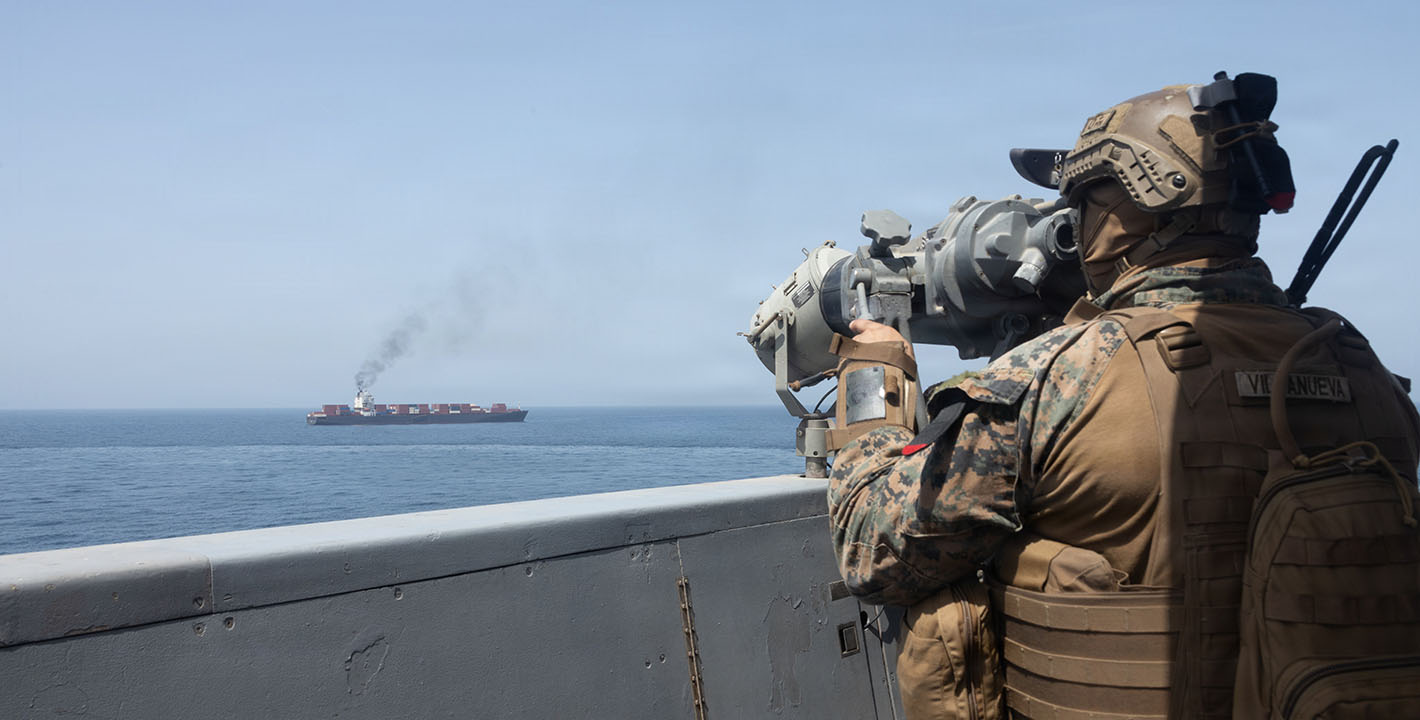
The article describes an unstable U.S.-Israel-Iran conflict in which both sides have inflicted meaningful military and economic costs, but neither has achieved a decisive strategic victory. Iran reportedly retains 400 kilograms of highly enriched uranium, much of its missile and drone arsenal, and the ability to threaten Strait of Hormuz shipping and Gulf energy infrastructure. The situation remains highly uncertain, with the risk of quick escalation or de-escalation and significant implications for shipping, energy, and regional defense spending.
The market takeaway is not “victory” but a deteriorating inventory position on both sides: precision interceptors, offensive munitions, and shipping/air-defense capacity are being consumed faster than they can be replenished. That favors the better-capitalized defense primes and the logistics nodes that become bottlenecks when attrition replaces maneuver; it also means any lull is less a resolution than a rearmament window. The second-order effect is higher implied volatility in Gulf transit risk even if headline violence fades, because the marginal deterrent is now stockpiles rather than will.
Energy is the most asymmetric transmission channel. Even without a full Hormuz closure, episodic harassment, insurance repricing, and rerouting can lift delivered Asia-Europe barrels and keep refining margins dislocated for weeks, while the real economic damage lands in Gulf exporters through higher freight, security, and uptime risk. The underappreciated winner is LNG and non-Gulf supply optionality; the loser is anything dependent on uninterrupted Red Sea/Hormuz flow or just-in-time industrial imports into the Gulf.
The regime-stability angle is the contrarian variable. Markets often price Iran’s internal cohesion as binary, but the more relevant outcome is a shift toward a siege economy: tighter controls, greater reliance on IRGC-linked networks, and more sanctions leakage. That is bearish for normalization trades and bullish for sanctions-enforcement services, maritime tracking, and defense electronics, while making a rapid collapse scenario less likely than a prolonged, sanctions-heavy stalemate.
Consensus may be overestimating how quickly diplomacy can normalize shipping. Even if talks resume, a credible ceasefire needs verification that both sides can restore stocks and that Iran can stop using intermittent maritime pressure as leverage; absent that, the path of least resistance is recurring short shocks, not durable peace. In that regime, the equity beta is less important than event-driven names tied to munitions burn, shipping insurance, and Middle East base resilience.
AI-powered research, real-time alerts, and portfolio analytics for institutional investors.
Request DemoOverall Sentiment
mildly negative
Sentiment Score
-0.20
