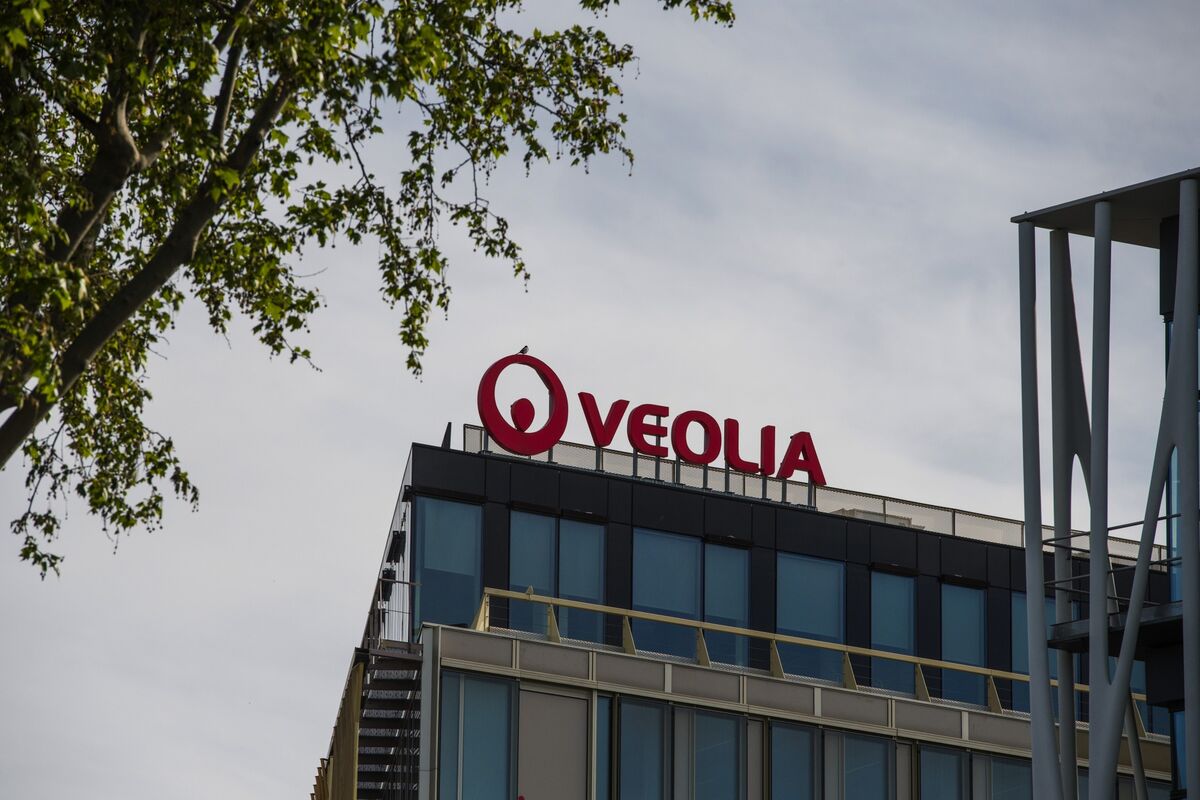
While the extent of a full US factory renaissance remains unclear, ongoing industrial expansion driven by reshoring efforts is projected to significantly increase hazardous waste generation. This shift, though not yielding historical job creation levels, highlights a growing demand for industrial waste management solutions, presenting potential opportunities and challenges for the industrial ecosystem.
The trend of reshoring manufacturing to the United States, while its overall economic impact remains ambiguous, is generating a significant secondary effect: an increase in industrial and hazardous waste. The article suggests that even a modest expansion in domestic factory operations, which may not translate into historical levels of job creation, will necessarily increase the output of industrial byproducts. This dynamic creates a direct correlation between the pace of reshoring and the demand for specialized waste management services. Consequently, the waste management industry is positioned as a key beneficiary of this supply chain shift, effectively turning the waste from new industrial activities into a source of revenue. The negative sentiment associated with this development likely stems from the environmental implications of more hazardous waste and the pessimistic outlook on a full-scale factory jobs recovery.
AI-powered research, real-time alerts, and portfolio analytics for institutional investors.
Request DemoOverall Sentiment
moderately negative
Sentiment Score
-0.40
