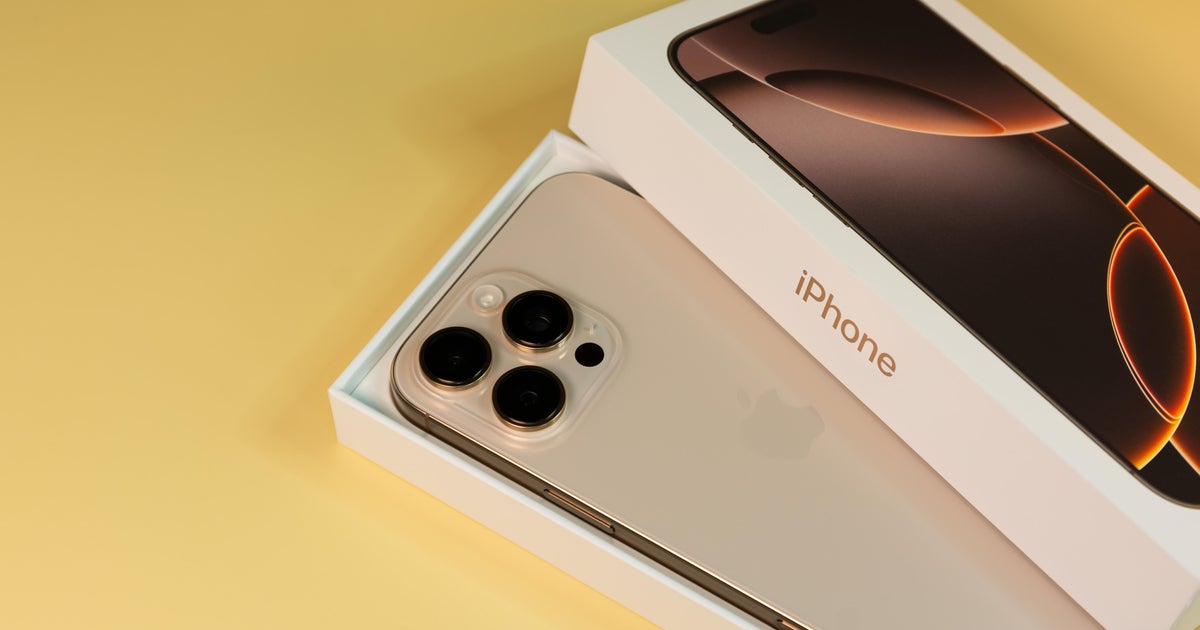
Apple has agreed to a proposed $250 million settlement over claims it misled consumers about unlaunched Siri AI features, with eligible iPhone buyers potentially receiving $25 per device and up to $95. The class action covers an estimated 37 million U.S. consumers who bought iPhone 16 models or iPhone 15 Pro/Pro Max units between June 10, 2024 and March 29, 2025. While the financial impact appears manageable for Apple, the case adds legal and reputational overhang tied to its AI marketing.
This is a modest but real litigation overhang for AAPL, not because the dollar amount is material, but because it lands in the same window as the company’s broader credibility battle around AI product timing. Even a low-single-digit bps hit to earnings is irrelevant; what matters is that any gap between marketing and product readiness reinforces the market’s skepticism that Apple can monetize AI without compressing trust or accelerating subsidy-style consumer expectations.
Second-order, the risk is less about the settlement itself and more about the discovery trail and precedent. If plaintiffs establish a pattern of promotional overreach tied to AI features, it raises the probability of follow-on claims, regulator scrutiny, and tighter disclosure discipline across consumer tech launches. That can slow launch cadence or force Apple to underpromise, which is strategically safer but can cap excitement in the next 2-4 quarters.
For competitors, this is mildly supportive for companies with clearer AI roadmaps and less hardware-dependent monetization, especially those that can frame AI as software-first rather than device-specific. It also subtly helps premium Android OEMs and app-layer AI vendors if the market starts discounting Apple’s ability to use AI as a replacement-cycle catalyst. The key point is that the financial hit is small, but the narrative damage compounds if the company is forced into repeated clarifications.
Contrarian view: the market may be overestimating the settlement as an earnings issue and underestimating its value as a reset mechanism. If Apple uses this to tighten messaging and then delivers concrete AI features on a predictable schedule, the stock could actually benefit from reduced hype premium and a cleaner setup into the next product cycle. The bearish case only matters if this becomes the first in a sequence of legal or execution stumbles that delays AI-driven upgrade demand by more than one cycle.
AI-powered research, real-time alerts, and portfolio analytics for institutional investors.
Request DemoOverall Sentiment
mildly negative
Sentiment Score
-0.15
Ticker Sentiment
