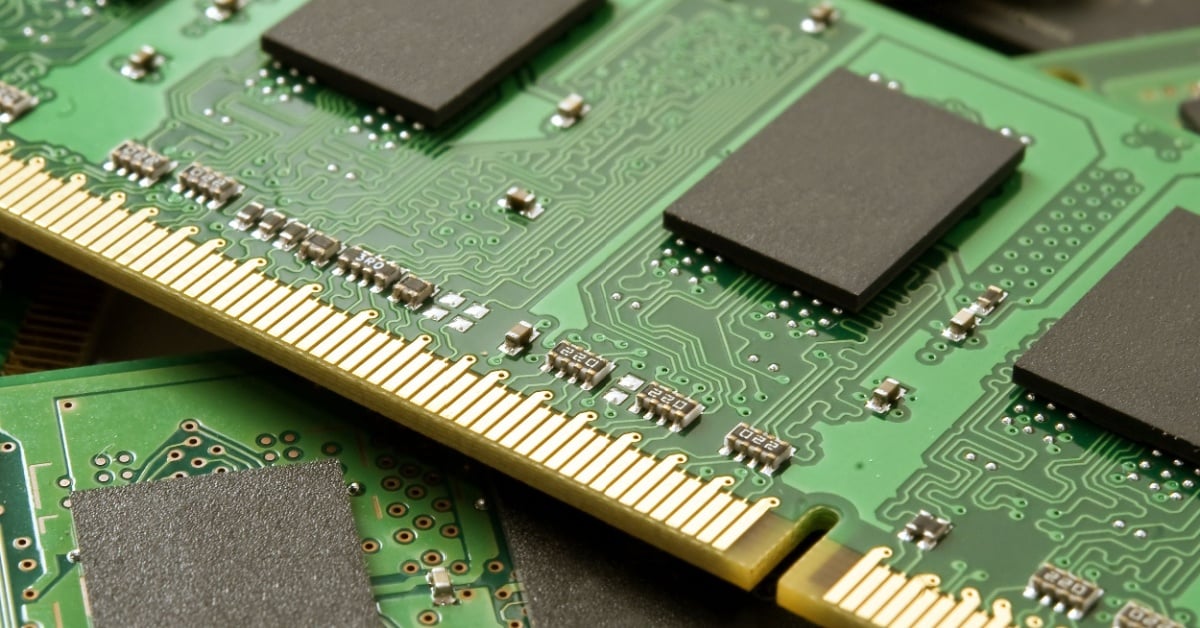
Surging AI-driven demand for high-bandwidth memory is driving a prolonged DRAM and HBM shortage, with TechInsights forecasting DRAM prices to peak in 2026, settle in 2027 and rise again in 2028 after a 2024 pricing jump of ~88%. Vendors face multi-year build times for new fabs (3–5 years) and are redirecting capacity toward HBM for datacenter GPUs, keeping consumer memory scarce and spot prices elevated; Micron reported Q1 FY2026 revenue up 56% and net income rising to $5.24bn from $1.87bn year‑over‑year. Policy and supply variables — including U.S. export controls on Chinese player CXMT and CXMT’s planned DDR5 growth — could shift DDR5 supply later in the decade, but industry-wide supply is expected to remain short of AI datacenter demand for the foreseeable future.
Market structure: Memory is bifurcating into an HBM-driven enterprise market (high price, constrained supply) and a consumer DDR/LPDDR market. Winners are foundry/fab owners and HBM suppliers (Micron/MU, Samsung, SK Hynix, Nvidia/AMD as HBM demand drivers) who gain pricing power; losers are small OEMs and consumer memory resellers who pay spot prices. TechInsights’ timeline (peak 2026, settle 2027, re-accelerate 2028) implies sustained margin tailwinds for fabs for 18–36+ months.
Risk assessment: Tail risks include tighter US export controls (disrupting CXMT or supply chains), CXMT unexpectedly scaling DDR5 share >5–10% by 2028, or a demand shock (AI cloud CAPEX pause) causing a rapid inventory unwind. Timeline: immediate (days) — volatile spot pricing and earnings beats/misses; short-term (months) — quarterly guidance revisions and capex announcements; long-term (3–5 years) — fab ramps materially change supply. Hidden dependency: wafer reallocation to HBM compresses DDR supply even if overall wafer starts rise.
Trade implications: Bias long memory-capex beneficiaries (MU) and AI compute leaders (NVDA, AMD) while shorting exposed consumer/spot-dependent small-cap hardware or retail memory distributors. Use 12–24 month LEAP call spreads on NVDA/NVDA and MU equity with 15% OTM protective puts; sell short-dated calls to finance where volatility is rich. FX/bond impact: expect KRW/TWD strength, tightening of chip export credit spreads; consider corporate credit tightening trades for large fabs.
Contrarian angles: Consensus under-weights CXMT’s ability to relieve DDR5 supply and may overrate perpetual HBM tightness — if CXMT grows to 5–10% by 2027 or fabs accelerate DDR5, consumer DRAM could re-price down 30–50% by 2028. Historical DRAM cycles (2017–19) show booms can reverse quickly once capacity arrives; therefore size positions for asymmetric risk and watch capex-to-production lag closely.
AI-powered research, real-time alerts, and portfolio analytics for institutional investors.
Request DemoOverall Sentiment
moderately positive
Sentiment Score
0.35
Ticker Sentiment
