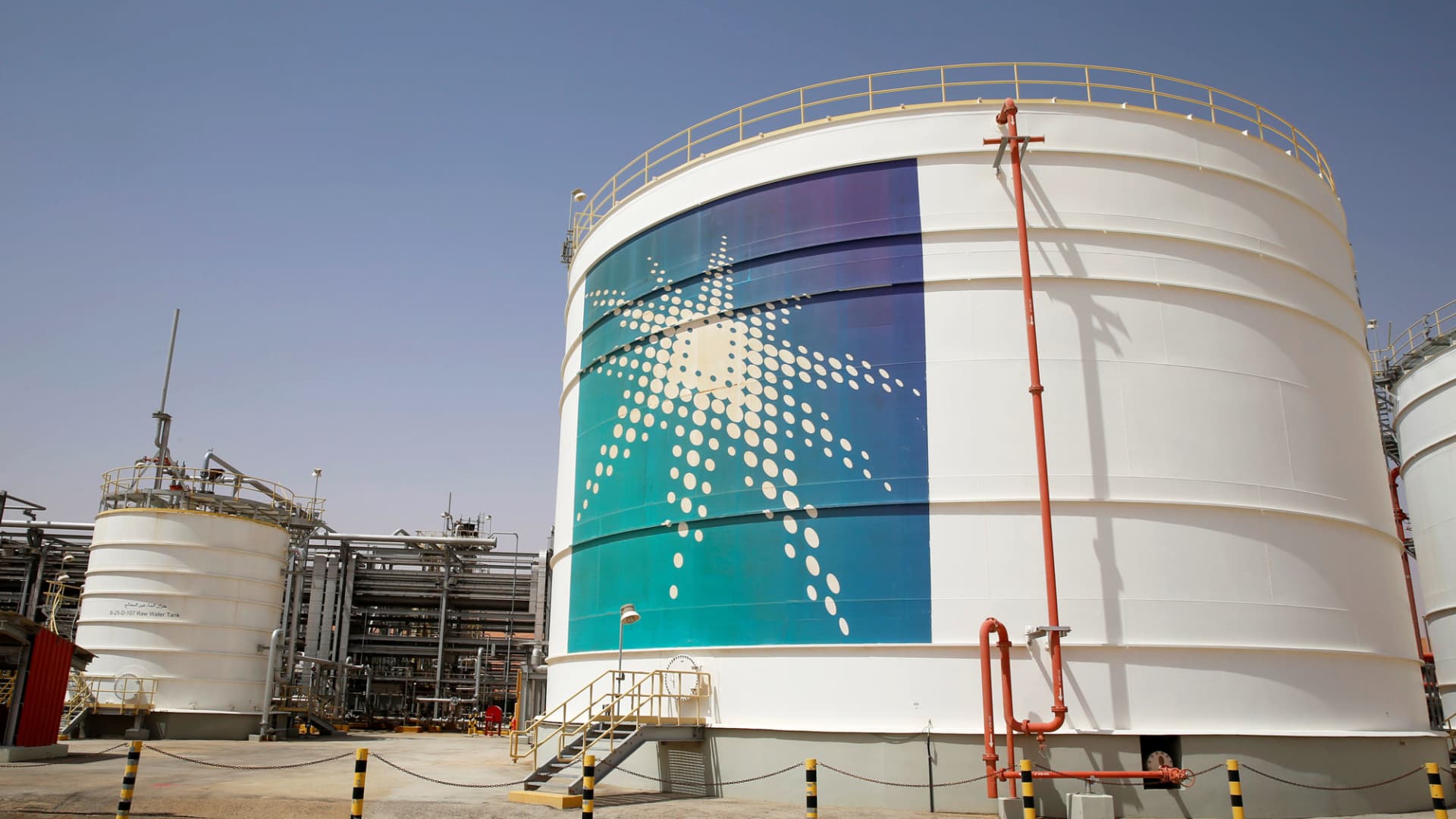
Crude production across major Gulf Arab exporters plunged in March amid the Iran war, with Iraq down 61% to 1.6 million bpd, Kuwait down 53%, the UAE down 44%, and Saudi Arabia down 23% to 7.8 million bpd. OPEC output fell 27% month over month to 20.8 million bpd, while Iran’s production slipped 5% to 3.06 million bpd and the East-West pipeline was reportedly hit, cutting capacity by 700,000 bpd. The disruption has pushed U.S. crude back above $100 per barrel and Brent near $100, signaling a major shock to global oil supply and prices.
The market’s first-order read is higher crude, but the more important effect is a forced re-pricing of physical optionality. The Gulf exporters’ inability to move barrels through their normal route means prompt supply is not just reduced, it is less fungible, which steepens the front of the curve and widens regional differentials even if headline Brent later stabilizes. That favors firms with inventory, storage, and non-Middle East sourcing flexibility more than pure upstream beta. The second-order loser set is broader than airlines and refiners: any industrial with just-in-time feedstock exposure now faces a working-capital shock as input costs rise before product pricing resets. Midstream and shipping names tied to the Gulf/Indian Ocean corridor also face a volume-vs-rate tradeoff: fewer voyages can still mean higher war-risk premia, but only if vessels remain insurable and cancellable routes do not dominate. The real risk over the next 2-12 weeks is not just another pipeline strike, but a tightening in insurance, chartering, and port operations that compounds the supply hit beyond crude itself. Consensus may be underestimating the speed of political reversal if prices remain above $100 for more than a few sessions. At that level, the probability of emergency coordination, SPR talk, or backchannel de-escalation rises sharply; that caps the upside in outright long crude but boosts volatility, making optionality superior to directional exposure. Over a 1-3 month horizon, the trade is likely less about where crude settles and more about who can source, transport, and finance barrels without interruption.
AI-powered research, real-time alerts, and portfolio analytics for institutional investors.
Overall Sentiment
strongly negative
Sentiment Score
-0.82
Ticker Sentiment
