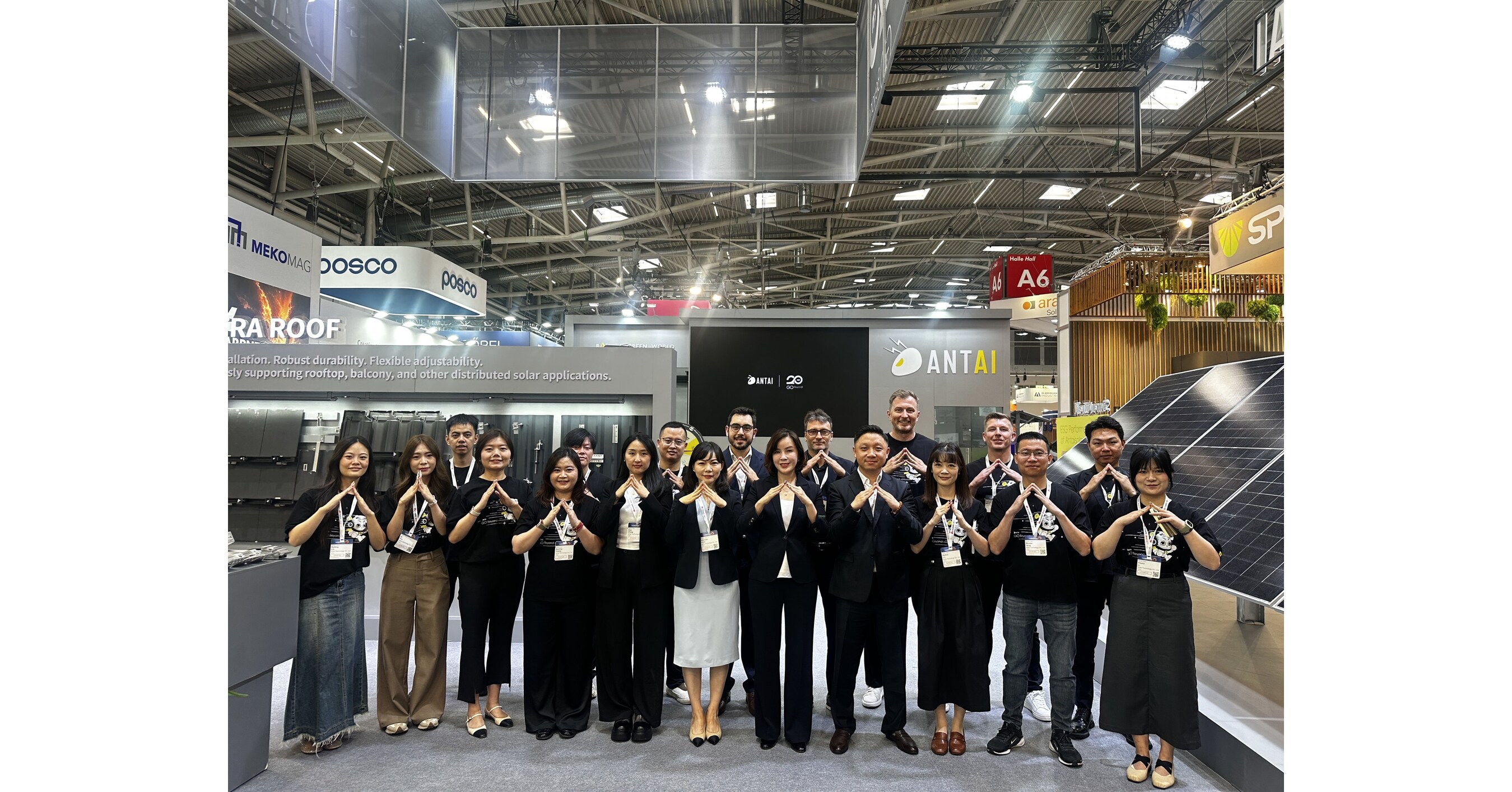
Antaisolar launched its Agri-PV Tracking System Solution at Intersolar Europe 2026 in Munich, expanding from ground/rooftop PV into the agri-PV segment. The system supports 1.3–5m flexible clearance, uses a two-section pile foundation to improve pull-out resistance and bearing capacity, and adds a SmartTrail “harvest mode” plus four-tier weather protection for gales, snow, floods, and hail. Alongside the launch, it highlighted upgrades including a tracker design claiming 40% higher stiffness and 50% greater strength for the AT-Spark platform, but the news is primarily product/strategy-focused with limited immediate market impact.
This is more a signal of where tracker vendors are trying to move up the value chain than an immediate monetizable event. Agri-PV is attractive only where land is the binding constraint; that means the economic moat comes from bankability, agronomy data, and local installation support, not from a product launch slide. In public markets, that tends to favor scaled suppliers with field-proven software and service networks, while smaller commoditized tracker names face margin pressure if customization becomes standard.
The near-term winner set is likely the project developer/EPC layer in land-constrained Europe, because agri-PV can unlock projects that were previously blocked by permitting or competing land use. The hidden loser is not another tracker brand so much as the assumption that tracker hardware remains a pure price-per-watt procurement item; once crop access, wind loading, and weather resilience become part of the spec, engineering intensity rises and deal cycles lengthen. That can help quality names, but it also delays revenue recognition and can compress ROIC for anyone overinvesting in bespoke solutions.
Contrarian view: the market should not extrapolate this into a broad TAM step-up until there are signed projects and disclosed margins. Agri-PV adoption is financing- and regulation-sensitive, so the catalyst path is months to years, not days. The thesis is falsified if European developers keep choosing standard fixed-tilt or conventional tracking on economics, or if custom agri-PV hardware fails to show better bankability and field reliability in the next tender cycle.
AI-powered research, real-time alerts, and portfolio analytics for institutional investors.
Overall Sentiment
mildly positive
Sentiment Score
0.15
Ticker Sentiment
