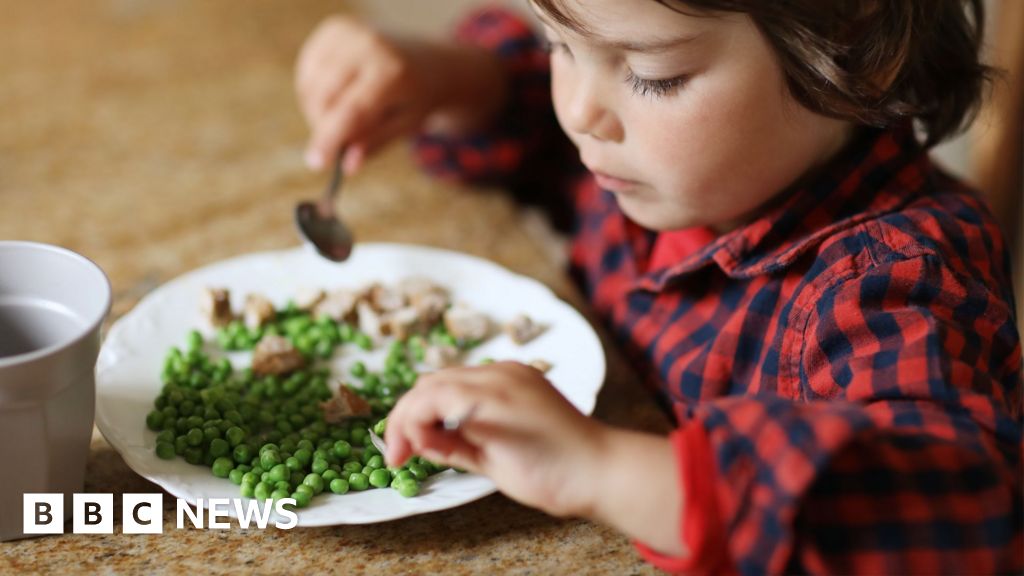
Up to 10 billion meals a week could be at risk as war-related disruption in Iran and the Strait of Hormuz blocks fertilizer flows, with roughly half a million tons of nitrogen fertilizer currently not being produced. Yara says fertilizer prices have already surged 80%, crop yields could fall as much as 50% in the first season without nitrogen application, and the worst impact is likely to hit Asia, Africa and Latin America. The article points to higher food inflation, potential bidding wars for food, and a possible 45 million increase in acute hunger in 2026.
This is less a one-off supply shock than a sequencing problem across the entire ag chain: nitrogen scarcity hits planting decisions first, then yield expectations, then exportable surplus, then consumer prices. The most important second-order effect is that the market will initially misprice the lag — fertilizer equities and grain futures react immediately, but the bigger inflation impulse shows up only when Northern Hemisphere harvest data deteriorates over the next 2-3 quarters. That creates a window where food-input margins compress before food pricing power fully resets, which is usually the worst part of the cycle for retailers and processors.
The losers are concentrated in import-dependent, low-income regions, but the equity knock-on is broader: packaged food, quick-service restaurants, and grocers with weak pass-through will face a double squeeze from higher COGS and more promotional intensity as real incomes soften. Emerging-market sovereign risk also rises because food inflation tends to force tighter monetary policy or subsidies right when fiscal room is limited. That combination historically pressures local-currency debt and FX more than headline commodity proxies.
The biggest non-obvious beneficiary is not just fertilizer producers, but the logistics and substitution layer: firms that can re-route ammonia/urea volumes, secure alternative feedstocks, or provide crop optimization/precision-ag inputs should see pricing power and share gains versus undifferentiated commodity suppliers. A partial reversal requires either a durable shipping corridor reopening or a rapid policy response that releases strategic stocks/redirects exports, but that would likely take weeks to months rather than days. The tail risk is a feedback loop where food inflation becomes politically salient in Asia and Africa, prompting export restrictions that amplify the shortage well beyond the original supply disruption.
AI-powered research, real-time alerts, and portfolio analytics for institutional investors.
Request DemoOverall Sentiment
strongly negative
Sentiment Score
-0.75
