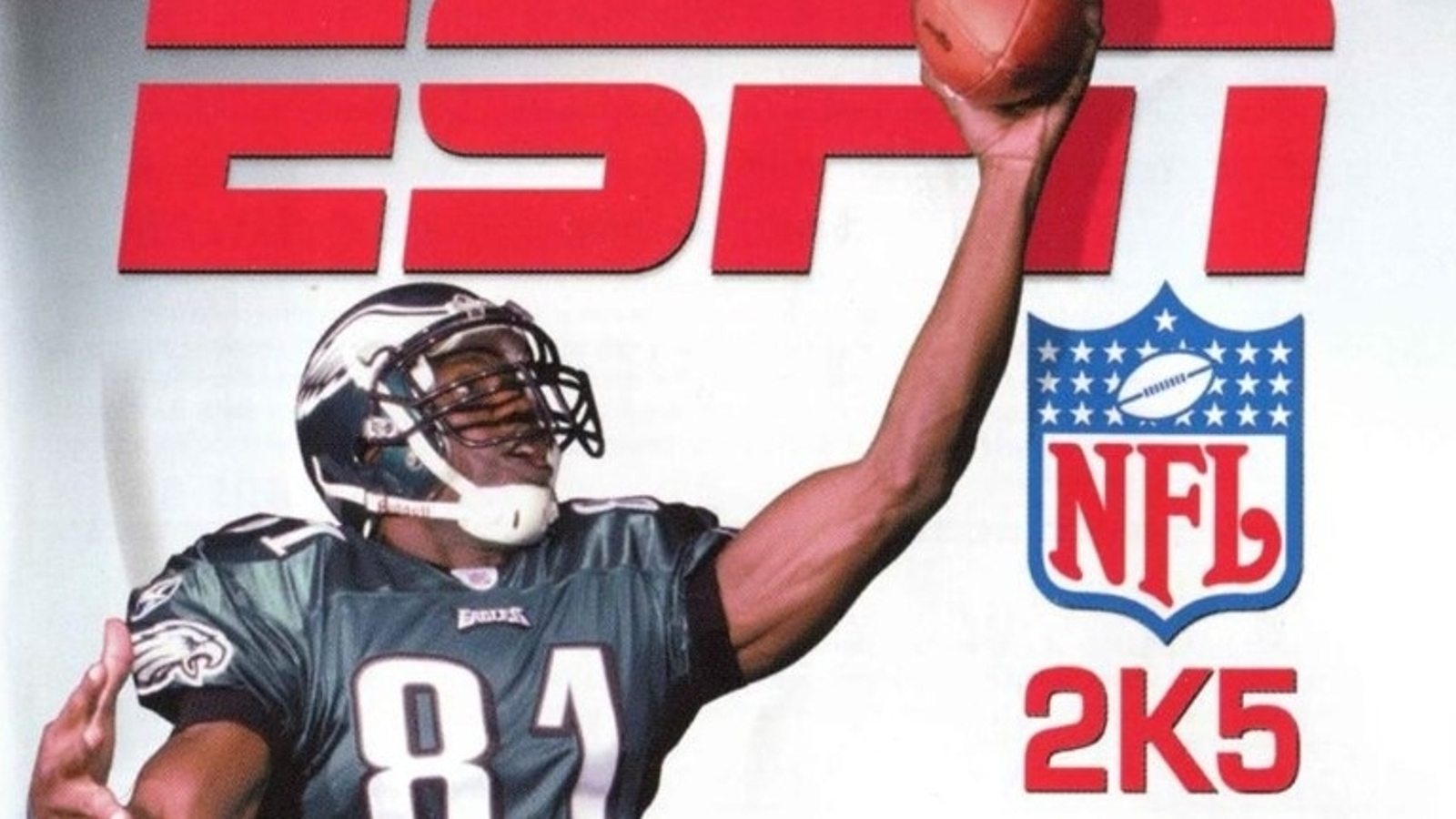
Take-Two confirmed its planned NFL 2K revival did not work out creatively, with CEO Strauss Zelnick saying the company is still "open-minded" to future NFL games if an opportunity arises. The publisher's first NFL title, NFL 2K Playmakers, disappointed and was later shut down, and MLB 2K appears unlikely to return. The update is mostly strategic and historical, with limited near-term financial impact.
This is less about one failed game and more about a strategic signal that Take-Two is still struggling to convert licensed sports IP into a repeatable content engine outside its core simulation franchises. The opportunity cost matters: every year spent chasing a low-probability NFL alternative is a year not spent deepening NBA 2K, WWE, or another owned-IP loop where monetization is more controllable and margins are structurally better. The market should view the NFL project as evidence that external-license sports initiatives can be capital-intensive, slow to iterate, and prone to creative dead ends before they ever become revenue pools.
The competitive implication is that EA’s Madden moat is now reinforced by inertia as much as by exclusivity. A credible challenger would have needed not just a better game, but a differentiated distribution model, content cadence, and monetization mechanic; the failure suggests that the “fun” layer is not enough to overcome network effects in sports fandom, roster updates, and annual habit formation. That lowers the probability of meaningful share loss for EA over the next 2-3 years and increases the odds that any future NFL 2K attempt is framed as mobile-first, social, or arcade rather than direct simulation competition.
From a capital allocation lens, this is mildly positive for Take-Two’s quality of earnings if it leads to discipline, but negative if management keeps treating licensed sports as option value without a clear product thesis. The contrarian read is that the shutdown may be a feature, not a bug: abandoning a weak concept now avoids a bigger write-off later, and the market may be underestimating how much management willingness to walk away improves long-run ROIC. The key catalyst is whether Take-Two re-allocates that creative bandwidth into owned-IP live services; if not, the company risks being perceived as a collection of valuable franchises with uneven execution, not a premium compounder.
AI-powered research, real-time alerts, and portfolio analytics for institutional investors.
Request DemoOverall Sentiment
mildly negative
Sentiment Score
-0.12
