
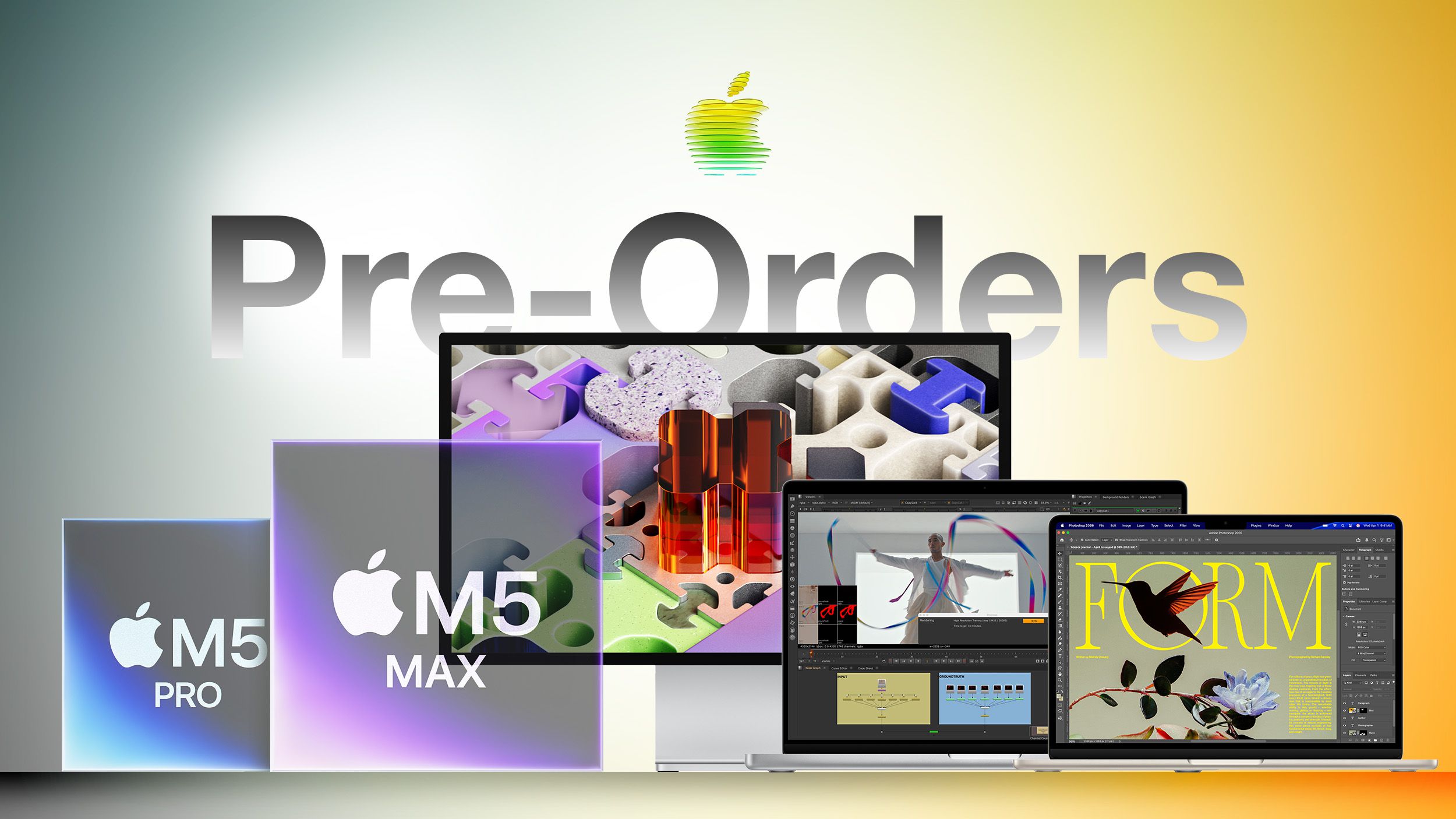
Apple has opened pre-orders for a slate of new hardware ahead of shipments and in-store availability on Wednesday, March 11, including a low-cost 13-inch MacBook Neo (A18 Pro) starting at $599, iPhone 17e (A19, 256GB) from $599, Studio Display ($1,599/$1,899) and Studio Display XDR ($3,299/$3,599), M5 Pro/M5 Max 14-inch and 16-inch MacBook Pros starting at $2,199 and $2,699, an M5 MacBook Air from $1,099 (512GB base), and an iPad Air with M4 and 12GB RAM from $599. The product mix — notably lower entry pricing on the MacBook Neo and expanded high-end display and M5 laptop offerings — could influence near-term unit demand and average selling prices, while reinforcing Apple’s full‑stack hardware refresh ahead of the spring quarter.
Market structure: Apple’s simultaneous launch of a $599 iPhone 17e (256GB) and $599 MacBook Neo tightens its grip on the mid-tier consumer segment while preserving high-end ASPs via Studio Display XDR and M5 Pro/Max Macs. Direct beneficiaries: AAPL (ecosystem sales, services uplift) and advanced-node suppliers (e.g., TSM), while mid-tier Android OEMs and low-margin PC vendors face pricing pressure that could compress ASPs by several percentage points over the next 2-4 quarters. The March 11 wide release suggests supply is sufficient at launch, lowering immediate inventory risk but increasing sensitivity to demand cadence and sell-through metrics in the first 2–8 weeks.
Risk assessment: Tail risks include regulatory actions (EU/China antitrust or export limits) and operational setbacks (M5 yield or C1X modem issues) that could delay shipments by 4–8 weeks and swing quarterly revenue by multiple percentage points. Immediate (days): headline-driven stock moves and IV re-pricing; short-term (weeks/months): channel sell-through, ASP mix, and March quarter guidance revisions; long-term (quarters/years): potential margin compression if lower-priced models cannibalize premium sales and services monetization trajectory alters. Hidden dependencies: carrier subsidies, trade-in economics, and China demand can flip outcomes quickly; watch channel inventory and Apple’s gross margin guidance over next two earnings cycles.
Trade implications: Favor directional AAPL exposure with risk controls — device refresh and services lift could produce 6–12% upside in 3–6 months if sell-through meets targets; consider complementary longs in TSM (advanced-node supplier) and tactical shorts in PC OEMs (DELL) to express device share shifts. Options: use defined-risk debit call spreads on AAPL (3-month, buy 10% OTM, sell 25% OTM) sized to limit max loss to ~0.5–1% portfolio to capture launch-driven re-rating while capping premium decay. Rotate modest weight from generic consumer discretionary into Tech hardware & semiconductor exposure over 1–4 quarters if early channel checks show >10% stronger sell-through versus internal forecasts.
Contrarian angles: Consensus focuses on volume upside; less appreciated is margin risk—if mix shifts materially toward $599 SKUs, corporate gross margin could decline 100–300bps, pressuring EPS despite higher units. Historical parallel: Apple’s prior mid-tier pushes (e.g., iPhone SE) boosted volumes but depressed ASPs for 2–4 quarters before services restored profitability—expect a similar 2–6 quarter mix adjustment window. Action triggers to watch: week-1 sell-through data, Apple’s inventory days and ASP commentary at next call, and regional sell-through in China/EM (~next 30–90 days).
AI-powered research, real-time alerts, and portfolio analytics for institutional investors.
Request TrialOverall Sentiment
mildly positive
Sentiment Score
0.25
Ticker Sentiment
