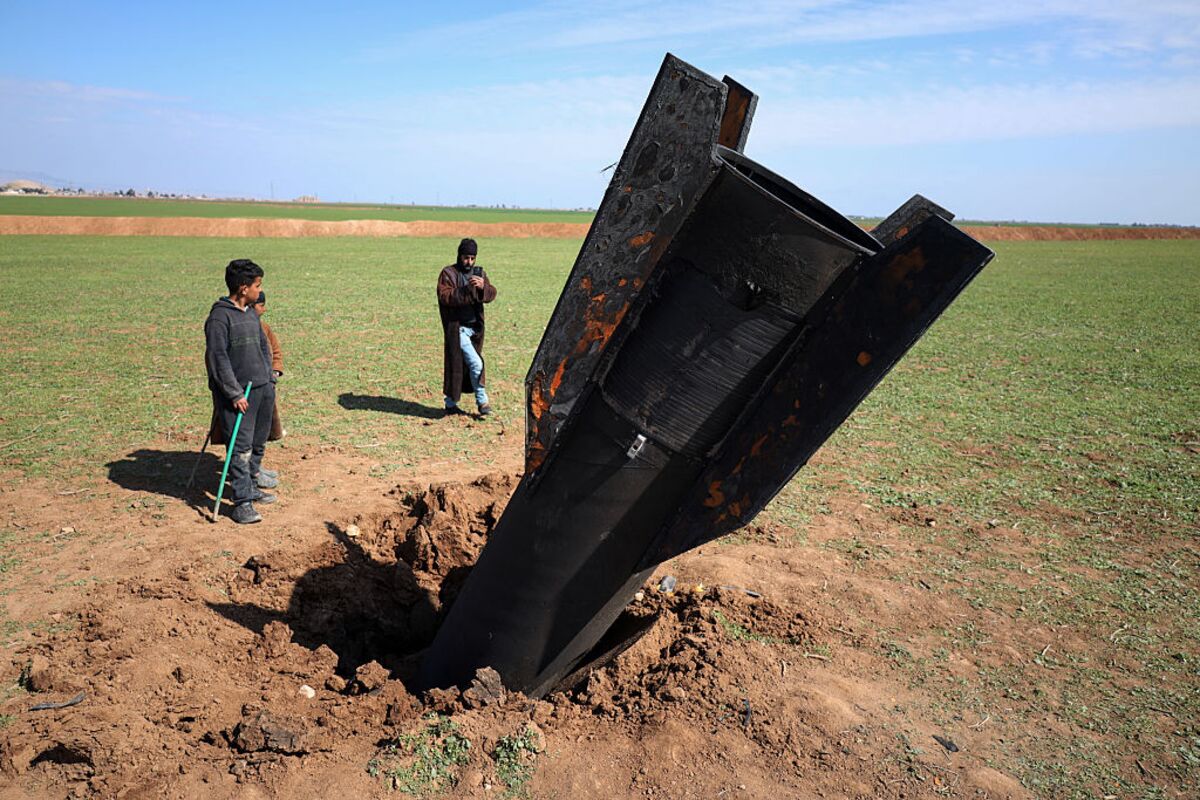
Iran launched three projectiles over the past two weeks, and NATO intercepted at least one likely headed toward the US AN/TPY-2 radar at Kurecik in eastern Turkey, ~750 miles (1,200 km) from Tehran. The strikes directly threaten NATO’s frontline early-warning infrastructure and raise risks of escalation between Iran, Turkey and NATO, creating a material geopolitical shock that could prompt risk-off positioning and energy-market volatility.
This episode will accelerate NATO and US procurement of forward and distributed air/missile-warning and intercept layers rather than a one-off platform buy: expect prioritization of mobile radars, additional interceptors, and distributed C2 upgrades with contracting cycles compressing from a typical 24–48 months to something executed over 6–24 months. That timing skew creates a near-term revenue cliff for primes that can retool quickly and a multi-year backbook lift for those that win competitions — the key value capture will be in firms with domestic manufacturing footprint and captive RF/GaN supply rather than pure systems integrators.
Supply-chain effects are second-order but material: specialized RF semiconductors, RF GaN wafer capacity, and precision seeker optics have ~12–24 month lead times and limited vendor redundancy, giving selected component suppliers outsized pricing power and margin expansion. Conversely, expect negative pressure on regional tourism, freight lanes and Turkish assets that could widen Turkey CDS and FX volatility in the weeks following any further incidents, transiently compressing risk assets tied to EM Europe/adjacent markets.
Tail-risk bifurcation is sharp: days-to-weeks for kinetic escalation (spikes in oil/insurance/FX volatility) versus 6–36 months for durable defense spending increases. Reversals are plausible if diplomatic de-escalation or a political clampdown limits NATO procurement discretion; the market has likely underpriced the middle path — modest, sustained procurement plus stepped-up component buys — which favors a barbell of short-dated volatility plays and selective multi-year exposure to component/primes.
AI-powered research, real-time alerts, and portfolio analytics for institutional investors.
Request DemoOverall Sentiment
strongly negative
Sentiment Score
-0.60
