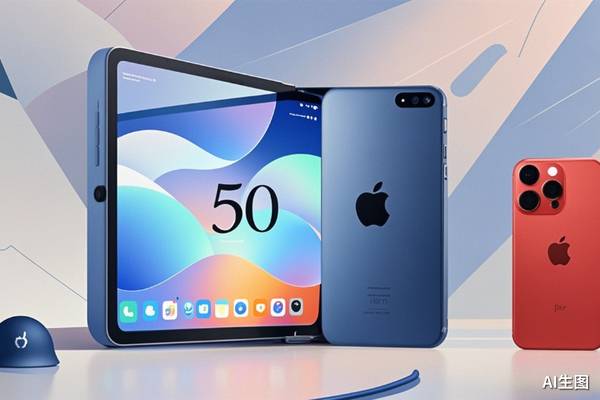
Apple plans a September launch that includes a near-$2,000 foldable iPhone (estimated BOM ~$800) and an iPhone 18 Pro series positioned to drive mainstream sales. The foldable drops Face ID and telephoto, reintroduces Touch ID, moves to eSIM, and debuts Apple's C2 baseband; the 18 Pro is expected to feature a variable aperture, upgraded telephoto, a possible 5100–5200mAh Pro Max battery (~8.8mm, >240g), and an A20 Pro chip on TSMC's 2nm process (≈+15% performance, ≈-30% power). These product specs and component choices (TSMC WMCM packaging, Samsung 3-layer sensor) are material for supply-chain suppliers and Apple's pricing/volume mix but are unlikely to cause market-wide disruption.
Apple’s strategy of widening product differentiation shifts the next 12 months from a pure unit-growth story to a mix-driven margin story. High-margin halo devices will materially lift blended ASPs even if they account for low unit share; the market often underestimates how a 2–3% absolute ASP shift can add multiple points to gross margin and translate into an outsized EPS beat versus consensus over two fiscal quarters.
On the supply side, advanced packaging and early adoption of bleeding‑edge nodes creates lumpy, winner‑take‑most demand for foundry capacity; that concentrates incremental gross margin with the lead node supplier and forces tier‑1 camera and RF vendors to compete for constrained BOM slots. Expect order-book lumpiness across quarters (large ramps followed by troughs) and spot‑price power for the foundry and packaging leaders during ramp windows.
eSIM and tighter hardware–software integration increase downstream bargaining power for Apple versus carriers and legacy modem vendors, accelerating structural revenue displacement for incumbent RF/modem suppliers over 12–36 months. The video/pro‑creator emphasis is a subtle revenue amplifier for Apple’s services/creator ecosystem — higher stickiness for pro apps, subscriptions, and paid cloud workflows, which compounds the hardware ASP uplift.
Key reversals are technical reliability or macro‑led upgrade compression: negative durability reports or a consumer demand pullback can flip the thesis within 0–3 months, while successful reviews and smooth supply ramps crystallize upside over 3–12 months. Watch pre‑order sell‑through, supplier shipment confirmations, and early reviewer thermal/repair data as primary catalysts.
AI-powered research, real-time alerts, and portfolio analytics for institutional investors.
Request DemoOverall Sentiment
mildly positive
Sentiment Score
0.15
Ticker Sentiment
