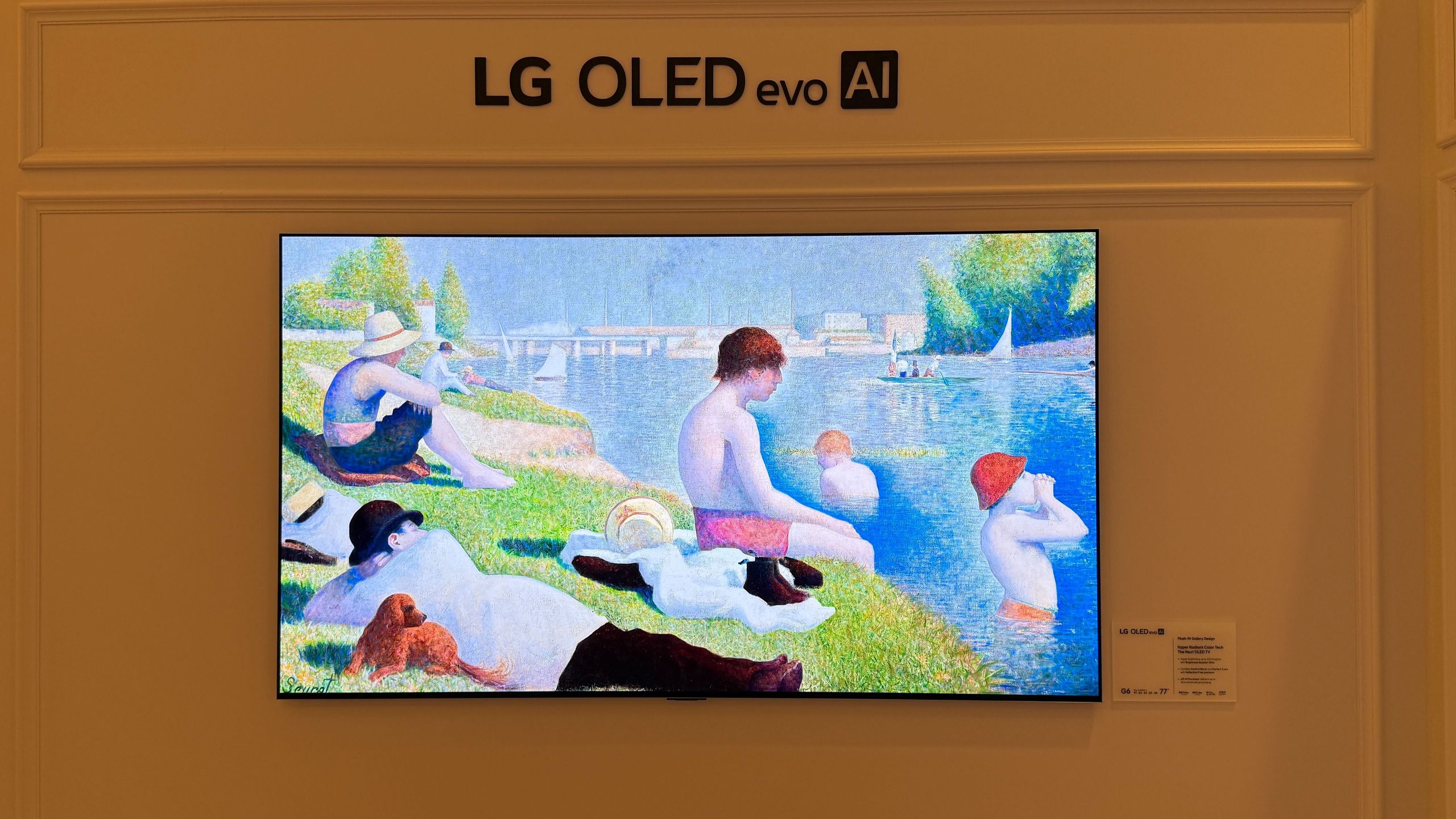
LG is reaffirming OLED as the premium TV technology while introducing an RGB Mini LED model (branded 'Micro RGB') positioned below its flagship OLEDs for buyers seeking very large, high-brightness sets. The MRGB95 is claimed to reach a 4,000-nit peak brightness and nearly 100% of the BT.2020 colour space, making it a value play for big-screen buyers who find 75–90" OLEDs prohibitively expensive. The author argues OLED’s self-emissive, per-pixel contrast and viewing angles still deliver superior cinematic quality versus even advanced Mini LED backlit sets, though Micro LED remains a potential future challenger. Impact on markets is limited near term, mainly informing product positioning and competitive dynamics in the premium TV segment.
Market structure: OLED incumbents (LG Display 034220.KS, LG Electronics 066570.KS, premium TV OEMs like Sony) retain pricing power because self‑emissive advantages (contrast, viewing angle) sustain a 10–30% ASP premium on flagship sizes today. Mini/Micro‑LED winners are niche (very large, bright screens) and will compete on capacity and price for >75" panels; expect margin compression for mainstream backlit suppliers (AUO 2409.TW, Innolux 3481.TW) if inventories rise >15% QoQ.
Risk assessment: Tail risks include a faster-than-expected MicroLED cost curve drop (commercial parity in 2–4 years) or aggressive Chinese OEM subsidization that forces 20%+ price cuts; supply shocks (glass, driver IC shortages) could swing panel ASPs ±15% in a quarter. Near term (days–months) watch CES product reveals and quarterly orders; long term (2–5 years) monitor fab additions and capex guidance.
Trade implications: Favor quality OLED exposure and pair trades shorting high‑beta Mini‑LED entrants: long LG Display/long LG Electronics while short TCL Technology (1070.HK) or BOE (000725.SZ) to capture premium durability over 3–12 months. Use limited-risk options (6–18 month call spreads on OLED leaders funded by short near‑dated calls on Mini‑LED challengers) to express asymmetric upside while capping capital.
Contrarian angles: The market underestimates stickiness of OLED due to creative and cinematic demand – replacement cycles and premium buyers are less price elastic; conversely, consensus may underprice a rapid MiniLED cost deflation if LED chip suppliers scale 2–3x capacity. Historical analog: LCD vs plasma transition took multiple product cycles; don’t assume a rapid one‑year paradigm shift. Watch for OEMs cannibalizing their own SKUs (lowered OLED ASPs) as first sign of structural change.
AI-powered research, real-time alerts, and portfolio analytics for institutional investors.
Request TrialOverall Sentiment
mildly positive
Sentiment Score
0.28
Ticker Sentiment
