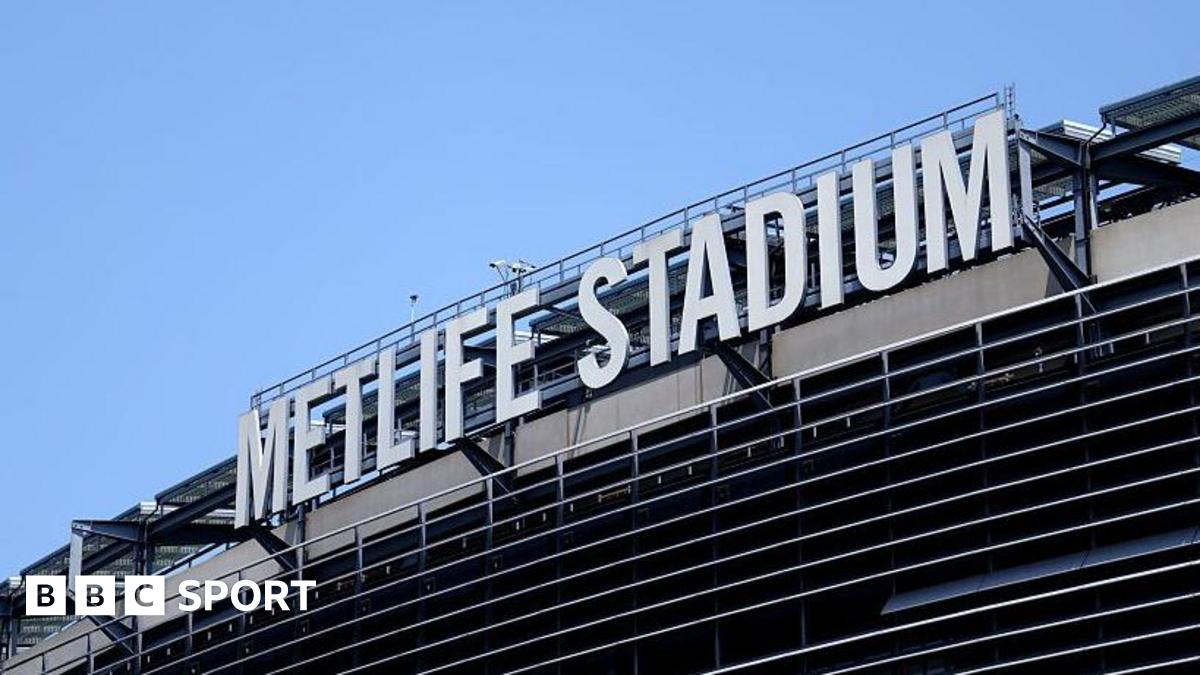
World Cup fans face train tickets of $150 (£111) for a 30-minute, 18-mile trip from Manhattan to MetLife Stadium, more than 11x the usual $12.90 return fare, with no child or senior concessions and no refunds or transfers. Shuttle buses are $80 (£59), parking at MetLife is $225 (£166), and Foxborough transport has also been sharply marked up, adding to complaints that Fifa and host operators are pricing fans out. The issue is generating negative sentiment around tournament logistics and fan access, but the direct market impact is likely limited.
This is less a transport story than a pricing-power stress test for the entire host-economy stack. When the “access” layer around an event becomes meaningfully more expensive than the event itself, you usually get a nonlinear drop in marginal attendance from price-sensitive domestic fans, not because they stop caring, but because they substitute into remote viewing, secondary-market carpooling, or fan-organized coaches. The first-order loser is transit operators that may collect peak-margin revenue, but the second-order losers are the adjacent spend categories that rely on full-stadium dwell time: local bars, quick-service food, ride-hailing, and parking monetization all face weaker conversion if fans arrive later, travel in smaller groups, or skip entirely.
The more important risk is reputational contagion. If fans internalize a “nickel-and-diming” narrative, the elasticity of demand for remaining inventory rises into the event window, which can pressure late-stage ticket resales and reduce ancillary spend per head. That matters most over the next 2-8 weeks as the travel plan becomes widely known; the damage is front-loaded and hard to reverse because transportation choices are made before the trip, not at the stadium gate. In contrast, the long-tail upside for the venue district is limited: even if the matches fill, the extraction model risks cannibalizing off-site spend and depressing repeat visitation to the broader destination.
The contrarian angle is that headline outrage may overstate the revenue windfall. High nominal fares do not automatically translate into high realized revenue if organizers are forced into subsidies, if utilization falls below forecast, or if fans self-organize cheaper alternatives that bypass official channels. That creates a classic volume-vs-price tradeoff: transport operators may be optimizing for cash yield per rider while destroying total system economics, and the backlash could force price caps or political intervention before the tournament peaks.
For public-market investors, the cleaner expression is to short the “event-euphoria” beneficiaries that depend on frictionless foot traffic, while preferring names with real pricing power and low customer elasticity. If fan sentiment deteriorates further, the trade is not in the venues themselves but in the surrounding leisure stack that monetizes attendance by the hour, especially operators exposed to destination events and discretionary on-site spend.
AI-powered research, real-time alerts, and portfolio analytics for institutional investors.
Request TrialOverall Sentiment
strongly negative
Sentiment Score
-0.65
