

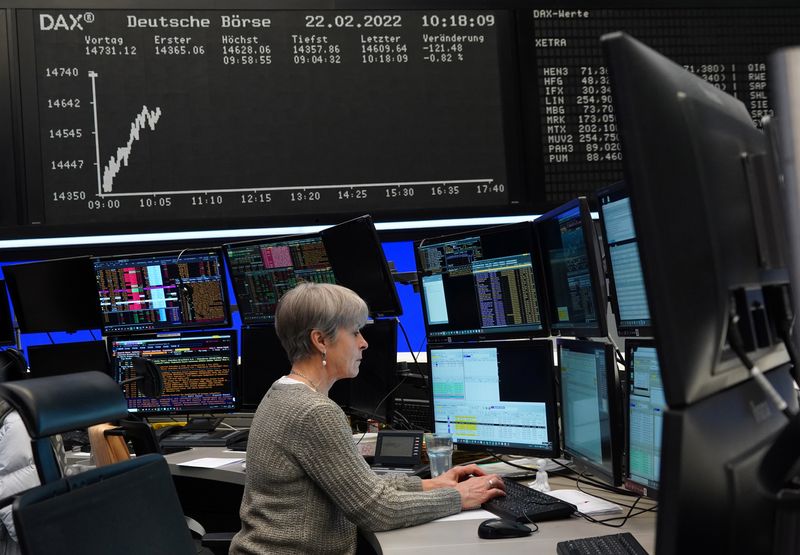
European markets were mostly flat to lower, with the Stoxx 600 down 0.1% as traders stayed cautious ahead of possible U.S.-Iran talks and after a ceasefire between Israel and Lebanon took effect. Oil held below $100 a barrel after briefly surging to $120 during the conflict, keeping energy markets sensitive to further geopolitical developments. In corporate news, Ericsson fell more than 3% on weaker-than-expected first-quarter profit, while Delivery Hero rose more than 2% after Uber increased its stake.
The market is treating the geopolitical easing as a near-term risk-off signal, but the bigger second-order effect is in cross-asset positioning: lower oil reduces the inflation impulse, which supports duration-sensitive growth and consumer names while simultaneously depriving energy equities of the ‘conflict premium’ that had been embedded in expectations. That backdrop matters because any extension of the ceasefire or credible progress in talks can force systematic CTA and vol sellers to unwind a chunk of energy hedges over the next few sessions, creating a fast but likely temporary factor rotation.
On the company side, the most important read-through is not that one consumer platform missed guidance, but that ad-supported and discretionary media multiples remain extremely fragile to even modest outlook disappointment. For NFLX, the stock’s reaction suggests the market is paying for execution perfection after a long re-rating; when that happens, a guidance shortfall usually compresses multiple before estimates move, so downside can persist for 2-6 weeks even if fundamentals remain intact. The co-founder exit adds to governance and narrative risk, but the bigger issue is that leadership transitions often trigger a de-risking by momentum holders rather than fundamental investors.
UBER is a cleaner beneficiary of the same macro mix: lower fuel keeps driver economics healthier and can support trip supply, while improving consumer willingness to spend on mobility. If oil stays sub-$100 for several weeks, the incremental margin tailwind is more likely to show up in Marketplace and delivery retention than in a single-quarter EPS beat, which argues for looking at the name through a 1-2 quarter lens rather than trading it as a one-day geopolitics proxy. The market may still underappreciate how quickly improved household fuel budgets feed into discretionary rides and takeout demand in the U.S. and Europe.
The contrarian view is that the oil move may be too contingent on diplomacy: if negotiations stall or any strike escalates, crude can gap higher before hedges are reset, so chasing the disinflation trade here is premature. That creates asymmetric opportunity in relative value rather than outright beta, because the biggest near-term P&L may come from pairs that express lower oil plus improving consumer activity without taking blanket equity market risk.
AI-powered research, real-time alerts, and portfolio analytics for institutional investors.
Request TrialOverall Sentiment
mildly negative
Sentiment Score
-0.15
Ticker Sentiment
