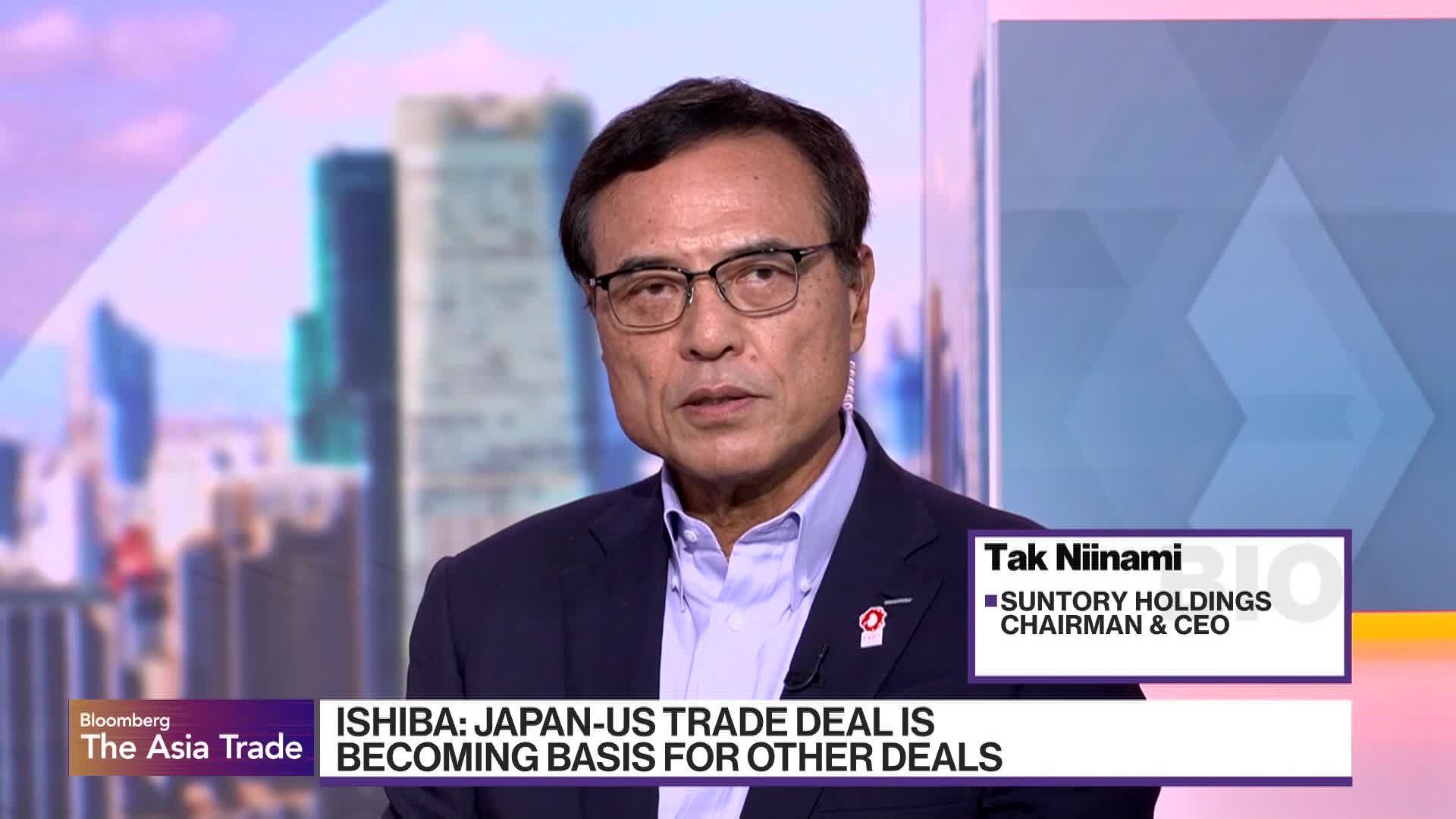
Suntory Holdings CEO Tak Niinami is assessing the impact on Japanese businesses following a new US-Japan trade deal. The agreement imposes a 15% tariff on Japanese imports, including automobiles, while also stipulating a $550 billion Japanese investment in the US, increased purchases of US agricultural products, and higher Japanese defense spending. This comprehensive deal carries significant implications for Japan's export-oriented sectors and broader economic strategy.
A new trade agreement between the Trump administration and Japan's Ishiba government introduces significant headwinds for Japanese export-oriented industries. The core of the deal imposes a 15% tariff on key Japanese imports to the US, including automobiles, which will directly impact the competitiveness and profitability of a cornerstone of the Japanese economy. In exchange, Japan has committed to a substantial $550 billion investment in the United States, alongside increased purchases of US agricultural products and higher defense spending. This arrangement signifies a major strategic pivot, redirecting vast capital resources and fiscal priorities toward the US. While the investment may foster goodwill and create opportunities within the US, the immediate impact of the tariffs is decidedly negative for Japanese corporations, creating margin pressure and potentially forcing a re-evaluation of supply chains and production footprints. The agreement reflects a comprehensive geopolitical and economic alignment, with Japan making significant concessions on trade, investment, and national security.
AI-powered research, real-time alerts, and portfolio analytics for institutional investors.
Request DemoOverall Sentiment
strongly negative
Sentiment Score
-0.60
