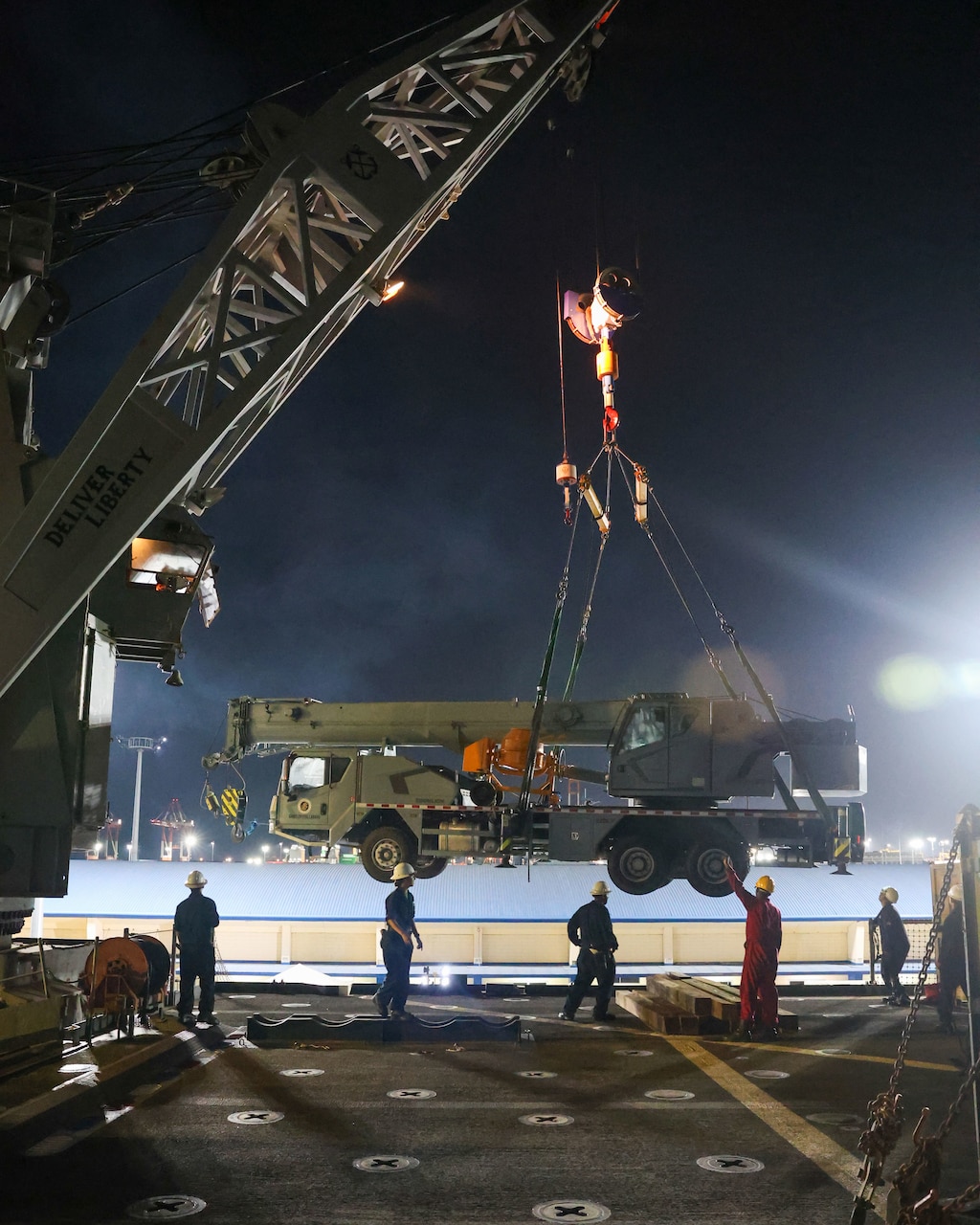
Australia, the Philippines, and the United States անցկացted a multilateral Maritime Cooperative Activity in the Philippine Exclusive Economic Zone from April 9-12, 2026, marking the fifth MCA of the year. The exercise involved USS Ashland, HMAS Toowoomba, BRP Rajah Sulayman, Philippine Air Force aircraft, and a Philippine Coast Guard patrol vessel, with a focus on interoperability, maritime domain awareness, and equipment offload operations. The article is primarily a defense and regional security update with limited direct market impact.
This is less about immediate military signaling and more about a sustained normalization of allied logistics in a strategically sensitive corridor. The underappreciated second-order effect is that repeated joint at-sea activity reduces the operational friction for future force posture changes, which raises the credibility of a rapid reinforcement response in a crisis; markets should treat that as a modest but persistent risk premium for regional shipping, offshore energy services, and any asset exposed to Sulu Sea/Philippines transit disruption. The beneficiary set is broader than the obvious defense primes. Repeated multinational drills tend to favor maritime ISR, secure communications, helicopter maintenance, and sealift/logistics vendors over pure platform builders because the bottleneck becomes coordination and sustainment, not hull count. If this pattern continues monthly, expect incremental budget pull-through into comms, sensors, electronic warfare, and MRO rather than a one-off spike in headline ship procurement. The contrarian read is that the market likely overestimates near-term escalation but underprices long-tail deterrence. A higher allied operating tempo can actually suppress the probability of a clean, tradable crisis because it raises the threshold for coercive moves and improves allied reaction times; that means the trade is better expressed as a slow-burn re-rating of defense enablers than as a binary geopolitical hedge. The real catalyst would be any change in frequency, geographic expansion, or inclusion of additional allies, which would extend the timeline from a tactical exercise story to a durable posture shift over 6-18 months. For transport, the main downside is not immediate rerouting but optionality loss: insurers and charterers may steadily widen the spread for Philippine-adjacent routes if this area remains active, even without incidents. That kind of creep is usually visible first in freight forwarders, marine insurers, and regional port operators before it shows up in headline trade volumes.
AI-powered research, real-time alerts, and portfolio analytics for institutional investors.
Request DemoOverall Sentiment
neutral
Sentiment Score
0.05
