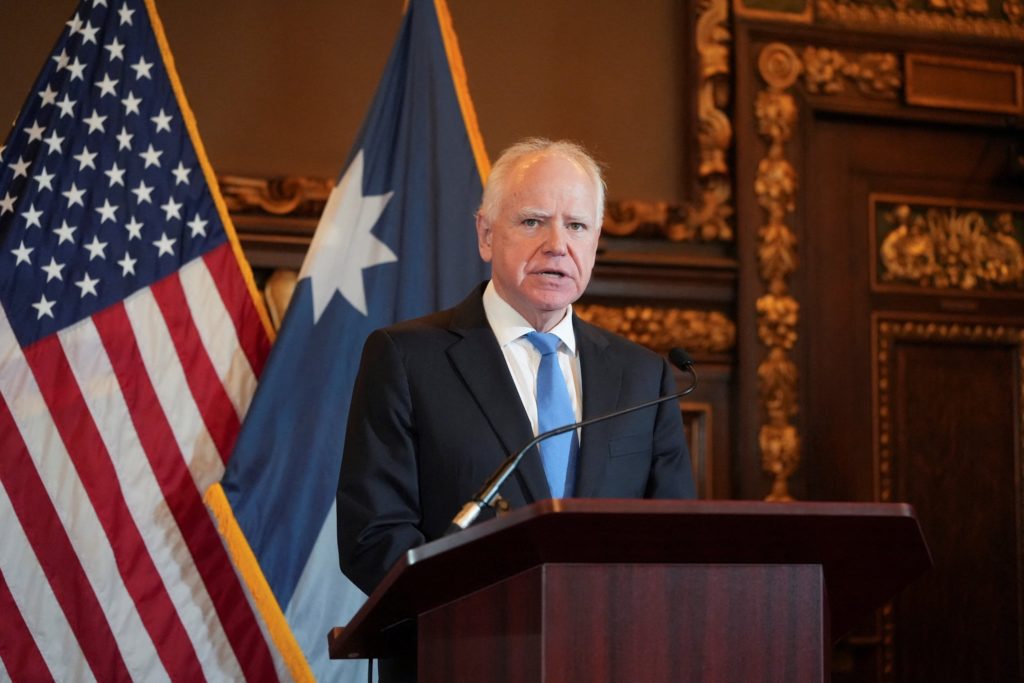
Federal prosecutors have issued subpoenas to at least five Minnesota officials as part of an investigation tied to a state immigration crackdown, a development that could escalate legal and political pressure on state authorities. In Ukraine, President Zelenskyy reported roughly one million households in Kyiv remain without power following recent Russian attacks, underscoring continued physical infrastructure vulnerability and humanitarian strain. In Australia, lawmakers approved new hate-speech and gun-control measures after a mass shooting at a Hanukkah event killed 15, signaling swift legislative responses that may affect domestic regulatory and security considerations.
Market structure: The immediate winners are defense and power-infrastructure suppliers (large primes and grid-equipment makers) as Kyiv power outages and ongoing Russian strikes raise odds of sustained Western military and reconstruction spending; commodities supporting grids (copper, transformer steel) and European gas see upside pressure. Losers in the near term are regional utilities in Ukraine, European power retailers exposed to TTF spikes, and insurers/EM credits tied to battlefield escalation; risk-off flows should lift sovereign bonds briefly and strengthen USD, while equity implied volatility and energy futures trade higher. Risk assessment: Tail risks include a major escalation (NATO engagement or energy-targeted cyberattacks) that would spike oil/gas >20% and equity VIX >30 within days; secondary risk is sanctions curbing supply of specialty components (months). Timeframes: immediate (days) — risk-off and VIX/curve moves; short (1–6 months) — procurement and capex announcements; long (6–24 months) — reconstruction contracts and defense budget increases. Hidden dependencies: export controls, winter gas demand, and logistics bottlenecks that could amplify commodity-price moves. Trade implications: Favor 3–6 month convex exposure to defense (call spreads on LMT/RTX or 2–3% ETF ITA position) and 6–24 month core longs in grid names (ABB, ETN) to capture reconstruction orders; deploy small, tactical SPY put spreads (1-month) as short-term hedge. Pair trades: long LMT vs short XLI (industrial cyclicals excluding defense) to express relative outperformance. Use options to size risk — buy call spreads to cap premium outlay and buy-put spreads on SPY to cap hedge cost. Contrarian angles: The market may underprice multi-year reconstruction demand — treat current move as front-end of a multi-quarter capex cycle rather than a one-off spike. Conversely, local political/legal stories (Minnesota subpoenas, Australian gun law) are mostly idiosyncratic and likely overreacted to by sentiment indices; avoid over-hedging equities on those items alone. Historical parallels (post-2014 Ukraine) show defense-related equities can outperform broad markets for 12–24 months; watch for inflationary pressure from sustained capex that can pressure long-duration bonds.
AI-powered research, real-time alerts, and portfolio analytics for institutional investors.
Request DemoOverall Sentiment
moderately negative
Sentiment Score
-0.50
