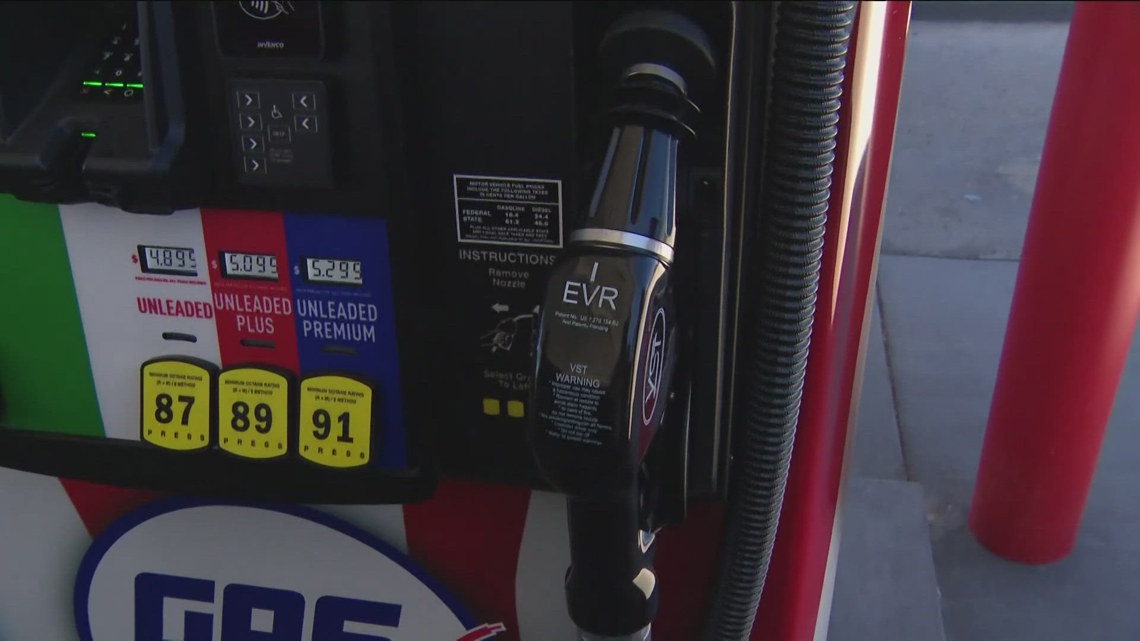
California gas averaged $5.40/gal in San Diego and $5.35 statewide, with USC economist Michael Mische warning prices could reach $7.24–$8.43/gal in a worst-case U.S.-Iran supply shock; crude briefly topped $100/barrel and tanker costs have nearly tripled. Structural drivers include loss of refineries (43 → 6), higher refinery operating costs (25–37% above U.S. average), and a seasonal summer-blend premium of $0.15–$0.17/gal. Political responses include AB 1745 to suspend the $0.61/gal excise tax for one year (potential ~$8bn/yr revenue loss) and a separate proposal to suspend LCFS and cap-and-trade for up to ~$1.08/gal savings, creating fiscal and distributional trade-offs.
California’s market is behaving like a semi-isolated island: with crude and product flows dominated by seaborne economics, small moves in tanker freight/insurance rates produce outsized changes in landed cost and refinery throughput incentives. That amplifies summer seasonal differentials — refiners that can accept expensive imports or ramp light-product output capture outsized crack spreads, while constrained processors see margins vaporize.
The policy debate (temporary tax relief vs preserving dedicated transport funding) is a classic fiscal offset: a near-term consumer rebate financed from the general fund reduces political pressure but creates contingent budget risk that would likely be filled by re-prioritizing capital projects or issuing short-term debt, raising the odds of state-level fiscal tightening in 12–18 months. From a real-economy angle, persistent pump inflation will accelerate substitution patterns (ride-pooling, shorter trips, modal shifts) which compresses marginal miles for high-utilization drivers and increases unit economics pressure on platform transport providers.
Tail risk remains geopolitical headline shock with fast onset (days–weeks) and slow unwind (months): a discrete escalation that makes chokepoint transit insurance unworkable will spike freight for PADD5-bound barrels and widen regional gasoline premia; conversely, a negotiated de-escalation or strategic SPR releases would reverse most of the price move within 30–90 days. Strategically, this setup favors instruments that isolate West Coast crack exposure and freight/tanker upside while hedging broad oil-price reversal — pure long oil is blunt and carries policy/demand-reprieve risk that would quickly compress returns.
AI-powered research, real-time alerts, and portfolio analytics for institutional investors.
Request DemoOverall Sentiment
moderately negative
Sentiment Score
-0.45
Ticker Sentiment
