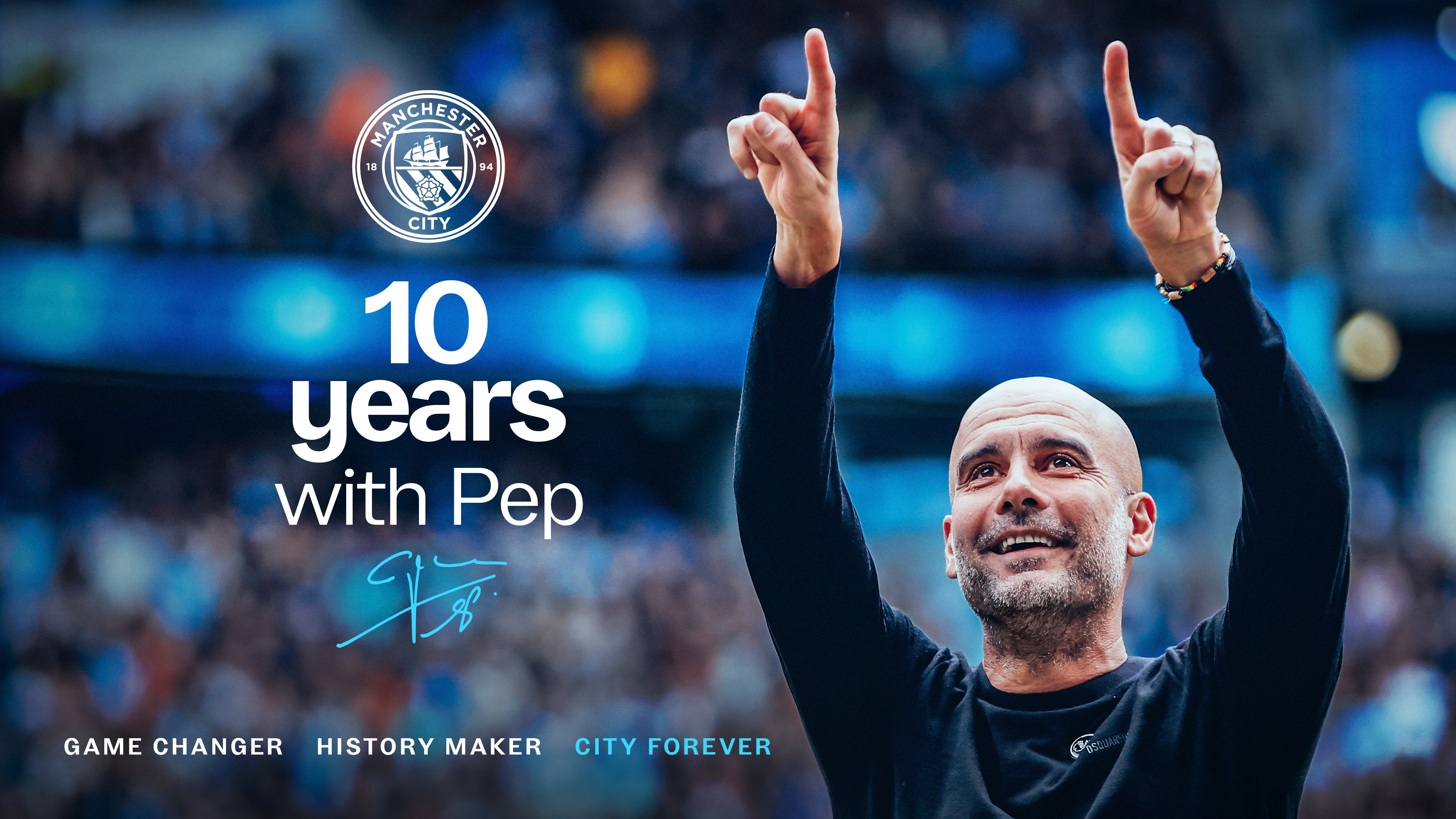
Pep Guardiola is departing as Manchester City manager after 10 years and 20 major trophies, including 6 Premier League titles, 1 UEFA Champions League, 3 FA Cups, and 5 League Cups. He will remain with the City Football Group as a Global Ambassador, providing technical advice and working on special projects. The announcement is a highly positive legacy event for City but is unlikely to have a meaningful near-term market impact.
This is less a “change at the top” event than a governance de-risking event: the manager’s continuity is being replaced by an embedded advisory role, which should materially reduce transition shock for the wider organization. For City Football Group, that matters because the operating model is unusually dependent on process transfer and talent development; preserving the architect’s influence lowers the probability of a multi-year strategic drift, even if first-team variance rises. The market should think in terms of lower organizational key-person risk rather than a simple sentiment headwind.
Second-order, the departure can actually improve medium-term execution if it clarifies decision rights. Elite clubs often underperform during extended “dynasty maintenance” because tactical innovation gets crowded out by legacy preferences; a clean handoff may allow a younger coaching cycle and refreshed squad planning to emerge without institutional friction. The main vulnerability is timing: the next 1-2 transfer windows are where any hidden dependency on the outgoing regime would surface, especially in recruitment, player retention, and wage discipline.
Contrarian take: the consensus may overestimate the negative sport-specific shock and underestimate the brand/business upside. A controlled transition paired with a continued ambassador role keeps the commercial halo intact, while the narrative of continuity may actually support sponsorship retention and global fan engagement. The bigger risk is not on-field collapse, but a slow erosion of “specialness” if the club starts looking like every other rich powerhouse once the founder-figure aura fades over the next 12-24 months.
For investors, the most interesting setup is to look through the emotion and focus on what happens to organizational resilience, not headline optics. In football equities or adjacent media assets, this kind of event can create a short-lived volatility spike that is often faded if the successor structure is credible. If there is a tradeable angle, it is likely in buying any overreaction to perceived instability and selling strength only if the next appointment or early-season performance signals genuine process breakdown.
AI-powered research, real-time alerts, and portfolio analytics for institutional investors.
Request DemoOverall Sentiment
strongly positive
Sentiment Score
0.82
