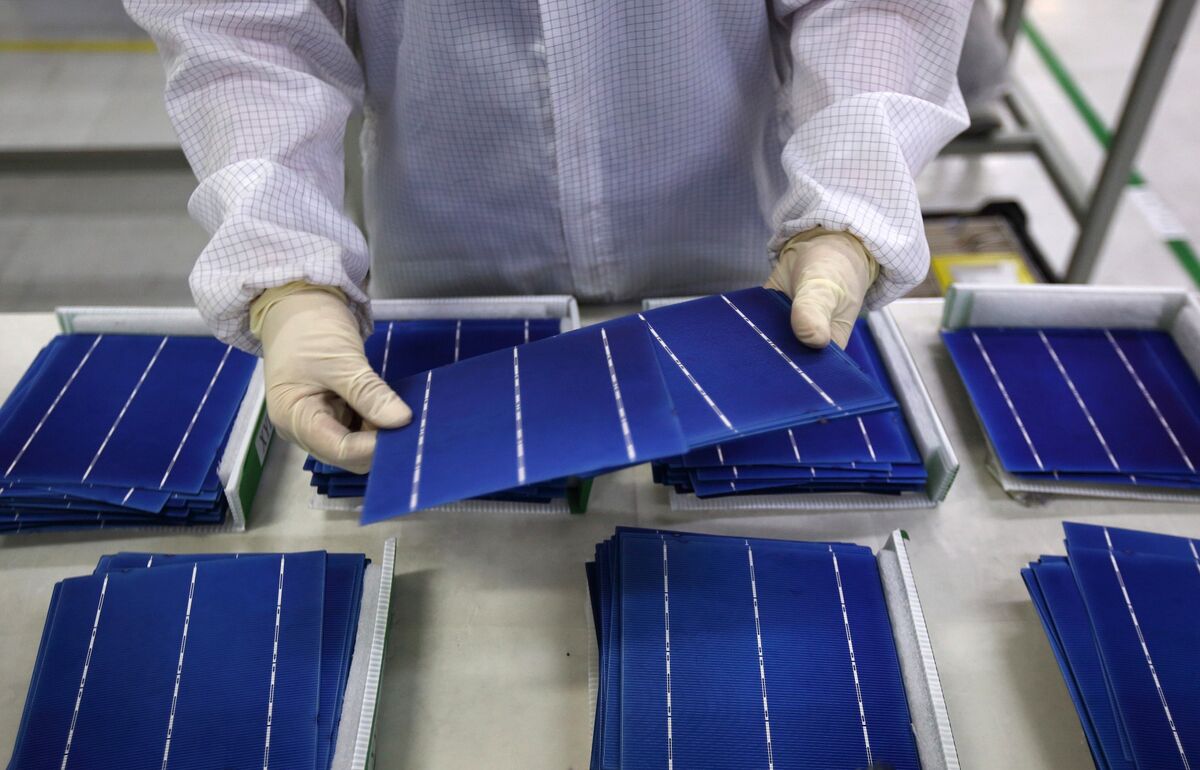
US Customs and Border Protection is investigating Waaree Energies Ltd. and Waaree Solar Americas Inc. for allegedly evading anti-dumping and countervailing duties on solar cells originating from China and other Southeast Asian nations. The agency has imposed interim measures on Waaree due to reasonable suspicion of duty evasion, indicating a significant enforcement action against a major solar importer.
US Customs and Border Protection (CBP) has initiated an investigation into Waaree Energies Ltd. and its US subsidiary for potential evasion of anti-dumping and countervailing duties on solar cells sourced from China and other Southeast Asian nations. The significance of this development is underscored by the CBP's decision to impose 'interim measures' on Waaree's imports, an action prompted by what the agency terms 'reasonable suspicion.' This indicates the probe has advanced beyond a preliminary stage and carries immediate, tangible consequences for the company's US operations. The investigation highlights a material escalation in US enforcement of solar trade policies, creating significant legal, financial, and reputational risk for Waaree. This event serves as a critical warning to other solar importers, signaling heightened scrutiny of supply chains and the potential for severe penalties associated with tariff circumvention.
AI-powered research, real-time alerts, and portfolio analytics for institutional investors.
Request DemoOverall Sentiment
strongly negative
Sentiment Score
-0.60
