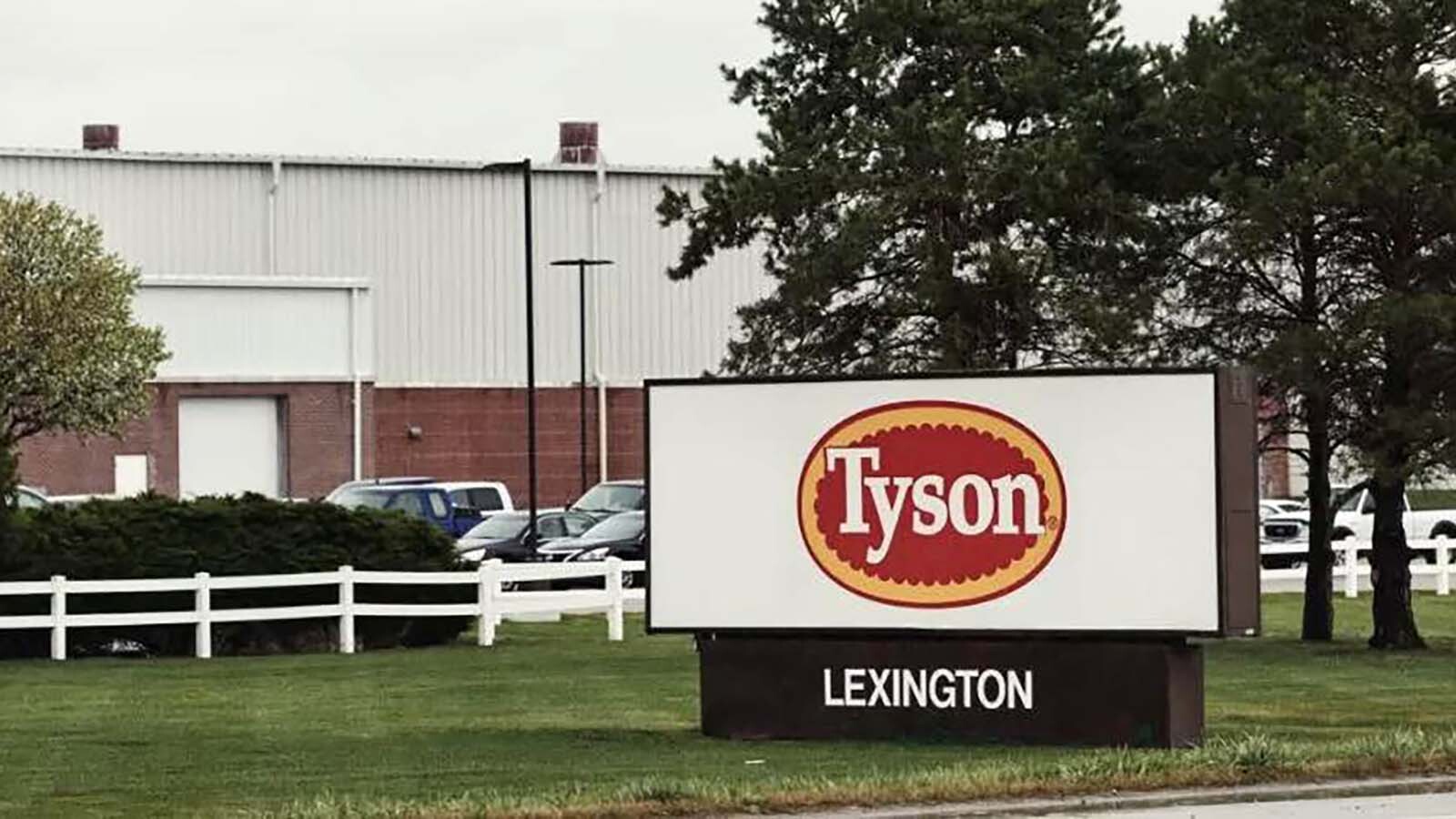
Tyson Foods will close a Nebraska beef packing plant in January that processed roughly 5,000 cattle per day, a move the company says reflects a sharply undersupplied cattle market; Tyson CFO Curt Calaway estimates a $400–$600 million operating income hit to its beef division. Industry sources warn the closure will depress cattle bids, accelerate packing‑industry centralization and boxed‑beef imports, and intensify supply-chain and regional economic pressures—while legislative responses such as the DIRECT and PRIME Acts are being pitched as partial mitigants. Continued herd declines (supply lows not seen since 1951), aging producers and drought conditions compound the downside for domestic beef capacity and regional producers.
Market structure: Tyson's Nebraska closure (≈5,000 head/day) removes meaningful regional slaughter capacity and directly hurts TSN (CFO flagged $400–$600m beef division hit). Winners: large alternative processors with nearby excess capacity (JBS, Cargill — JBSAY as public proxy) and cold‑storage/logistics providers that handle boxed imports; losers: regional feedlots, cow‑calf operators and small rural economies. Expect incremental concentration of buying power among remaining packers, upward pressure on wholesale boxed beef over 6–24 months, and localized downward bid pressure for producers who must ship farther.
Risk assessment: Tail risks include cascading plant closures (2–4 additional medium plants in 6–12 months) driving acute retail shortages and food‑price CPI shocks, or conversely rapid policy actions (PRIME/DIRECT or antitrust enforcement within 3–9 months) that decentralize processing and depress margins for large packers. Hidden dependencies: refrigerated transport, labor availability, and drought‑driven herd decisions — herd rebuild is multi‑year, so supply-side tightness can persist for 2–5 years. Watch USDA slaughter/stock reports, Tyson earnings guidance, and state/federal legislative movement on PRIME/DIRECT in the next 30–180 days.
Trade implications: Short TSN tactically (1–2% net exposure) using a 3–6 month put spread to cap capital at risk; pair trade long JBSAY (equal notional) vs short TSN to play market‑share reallocation. Take a 3–12 month long position in CME live cattle futures (or feeder cattle) via modest bull call spreads to express multi‑quarter tightening; long Americold (COLD) 6–12 month call spread to capture increased boxed‑import logistics. Increase grocery/restaurant hedges if food inflation brews (duration 3–9 months).
Contrarian angles: Consensus may underprice speed of herd rebuild if drought abates and prices incentivize restocking — cattle supply could rebound materially after 18–36 months, compressing futures and hurting packer margins. Also, selective closures can be margin‑accretive for surviving packers within 6–12 months, so outright long TSN could be premature; regulatory passage of PRIME would be a negative shock to large packers and a positive to regional processors. Position sizes should be sized for asymmetric regulatory and weather outcomes.
AI-powered research, real-time alerts, and portfolio analytics for institutional investors.
Request DemoOverall Sentiment
strongly negative
Sentiment Score
-0.60
Ticker Sentiment
