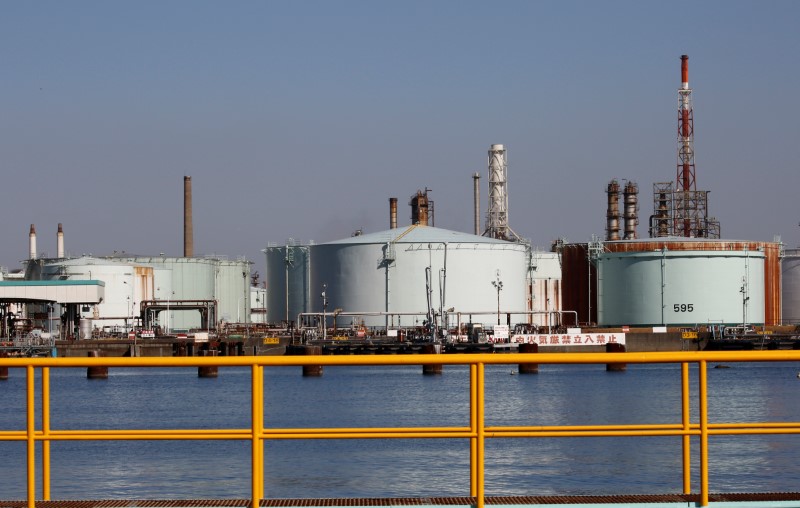
The IEA said 411.9 million barrels of emergency oil reserves will be released to markets (271.7m government stocks, 116.6m industry reserves, 23.6m other), with 72% crude and 28% refined products. Stocks in Asia-Oceania will be available immediately, while supplies from Europe and the Americas are expected toward the end of March, aiming to ease disruptions after Middle East-related tanker traffic disruptions through the Strait of Hormuz. The move builds on past reserve usage (about 182m barrels released in 2022) and is likely to temper oil-price volatility and regional supply tightness.
A coordinated, externally-supplied liquidity injection into crude markets will likely compress headline volatility but create patchy microstructure dislocations: expect temporary flattening of front-month spikes while backwardation/contango dynamics reprice across regional hubs and product chains. That repricing will not be uniform — physical flows and arbitrage mechanics will push marginal barrels toward the highest netback refiners and storage nodes, producing short-term winners in freight and storage and short-term losers among high-marginal-cost upstream producers.
Second-order effects will show up in freight markets, insurance premia and bunker demand before they show up in benchmark prices. Re-routing crude and product cargoes raises tonne-mile demand and time-charter rates for a meaningful, discrete window; concurrently, refiners with flexibility on crude slates can capture incremental margins if they are sited where the incremental barrels land. Conversely, small-cap E&P operators with limited hedges and higher lifting costs face outsized cash-flow sensitivity to even modest price compression.
Tail risks remain asymmetric: a renewed supply-shock or chokepoint escalation would erase any temporary relief and reprice risk premia materially higher within days, while structural demand responses (fuel substitution, policy changes) would take many quarters to crystallize. Key near-term catalysts that will reverse the near-term downshift are changes in tanker insurance terms, rapid shifts in refinery utilization patterns, or coordinated policy responses to refill strategic inventories — monitor those on a 2–12 week cadence.
AI-powered research, real-time alerts, and portfolio analytics for institutional investors.
Overall Sentiment
neutral
Sentiment Score
0.05
