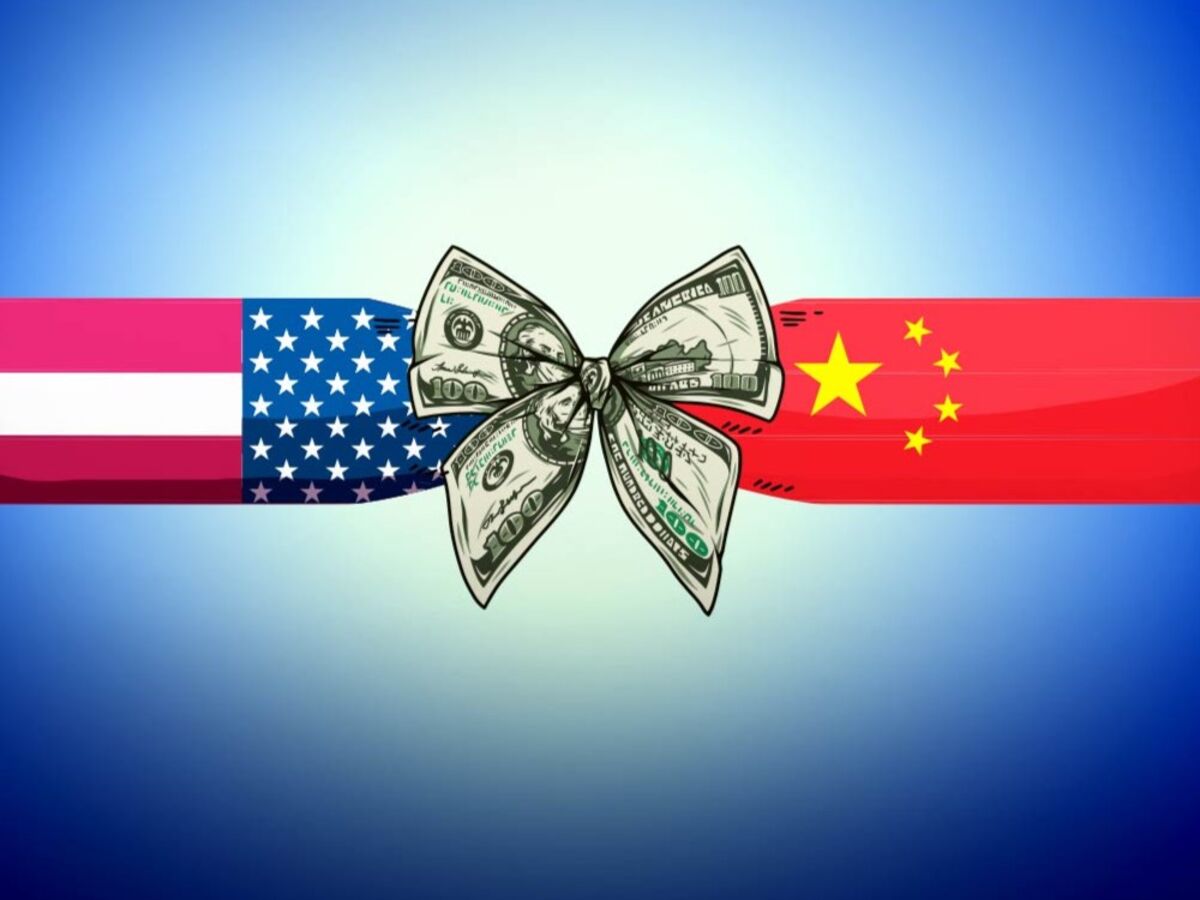
China agreed to buy at least $17 billion of American agricultural products annually through 2028, while Beijing also said it would ease some tariffs on unspecified goods after the summit. The article also flags Taiwan-related tensions, including President Lai Ching-te reaffirming sovereignty as Donald Trump considers a $14 billion arms sale to Taipei. Overall, the piece points to modestly supportive trade news but continued geopolitical risk.
The immediate market read is superficially bullish for US ag exporters, but the second-order effect is more about balance-sheet optics than incremental demand. A multi-year purchase pledge from China can stabilize revenue visibility for large merchandisers and elevators, yet the bigger beneficiary is likely the logistics and storage complex: rail, barge, port handling, fertilizer, and grain terminal operators get a cleaner volume path if the promise translates into shipped bushels rather than just diplomatic inventory. The catch is that this kind of arrangement often reshuffles sourcing rather than creating net new consumption, so margins may improve more than top-line growth.
For producers, the risk is concentration and timing. If Chinese buying is front-loaded into a few crops or seasons, it can temporarily tighten basis spreads and lift nearby prices, but that usually fades once USDA acreage response and South American supply normalize. The more important catalyst is whether Beijing uses the agreement as leverage to keep US ag as a political pressure valve while preserving optionality to switch back to Brazil/Argentina whenever tariffs, FX, or weather improve their economics.
This is also a geopolitical hedge, not just a trade story. Easing tariffs on unspecified products suggests tactical de-escalation, but Taiwan and Russia headlines mean the truce is fragile; any arms-sale escalation or sanctions flare-up could quickly reprice agricultural demand expectations and related cyclicals. The contrarian view is that the market may overestimate the durability of the agreement and underestimate how quickly competing exporters can cap any rally by undercutting US pricing within one planting cycle.
AI-powered research, real-time alerts, and portfolio analytics for institutional investors.
Overall Sentiment
neutral
Sentiment Score
0.10
