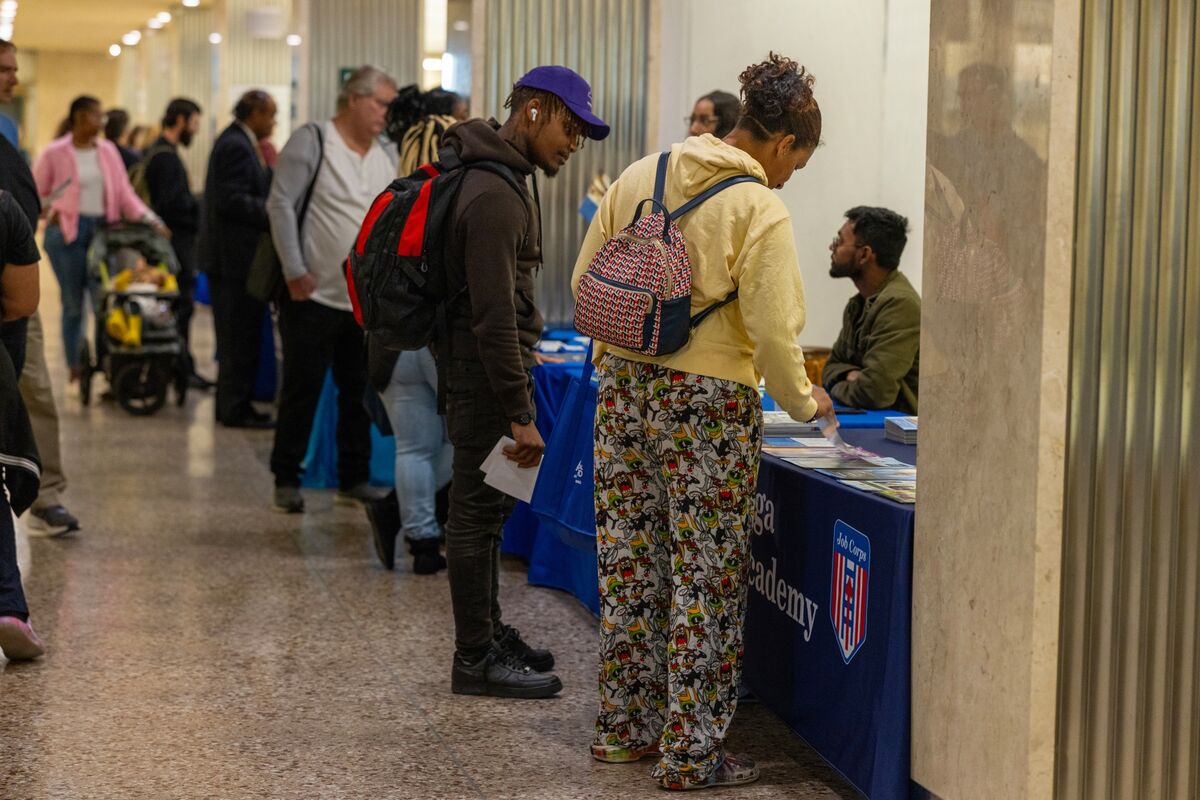
The New York Fed's latest survey indicates a significant deterioration in the job market outlook, with prospects for re-employment within three months dropping nearly 6 percentage points in August to the lowest level since the survey began in 2013. This marks the sharpest one-month decline since the pandemic, signaling increasing labor market weakness and potential implications for consumer confidence and broader economic activity.
The outlook for the U.S. labor market has deteriorated significantly, according to the latest survey data from the Federal Reserve Bank of New York. The perceived probability of finding new employment within three months has plunged by nearly six percentage points in August, establishing a new record low since the survey's inception in 2013. This drop also marks the sharpest single-month decline in job-seeker sentiment since the pandemic. Such a pronounced and rapid downturn in employment expectations is a critical leading indicator, suggesting a potential cooling in the labor market that could translate into reduced consumer confidence and spending, thereby posing a headwind for broader economic growth. This data point will be closely watched by the Federal Reserve, as sustained labor market weakness could materially influence future monetary policy decisions.
AI-powered research, real-time alerts, and portfolio analytics for institutional investors.
Request DemoOverall Sentiment
extremely negative
Sentiment Score
-0.85
