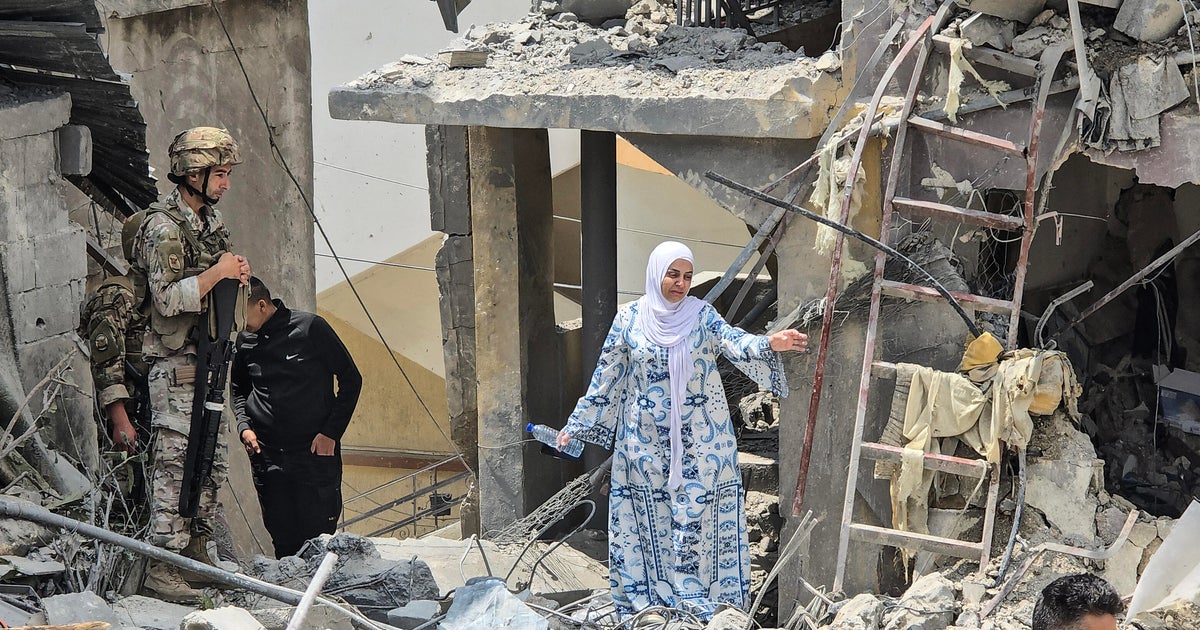
Oil prices fell 5% as the U.S. and Iran appeared close to an agreement to reopen the Strait of Hormuz, but the situation remains highly unstable amid continued Israeli strikes in Lebanon and renewed U.S.-Iran brinkmanship. Brent briefly dropped to $94.61 a barrel and WTI to about $89, while U.S. forces have redirected 109 vessels under the Hormuz blockade. The article also highlights over 30 deaths in Lebanon in a single day, ongoing evacuation orders, and unresolved issues around Iran's nuclear program and shipping controls.
The market is still pricing a diplomatic off-ramp, but the larger implication is a violent squeeze in geopolitical volatility rather than a clean de-risking. If the Strait reopens under a quasi-administered arrangement, the immediate winner is not just crude bears; it is every importer with negative optionality to disruption — refiners, airlines, chemicals, and EM current-account economies — because the first-order move is a compression of the war premium, while the second-order effect is lower implied volatility across the entire energy complex. That said, the setup is fragile: a deal that punts the nuclear issue and sovereignty questions likely creates a recurring headline risk regime, not a durable peace dividend. For energy, the key distinction is spot price versus forward curve. A rapid easing in transit constraints can knock prompt WTI hard, but if the market believes the agreement is reversible, deferred contracts may hold up better than the front month, steepening contango and creating a worse backdrop for crude-sensitive producers with high near-term hedging ratios. The losers are upstream beta and tanker names with exposure to disrupted routing economics; the underappreciated winners are refiners and transporters if feedstock falls faster than product prices, especially if gasoline remains sticky for political reasons. The bigger contrarian angle is that Iran likely views any de-escalation as a breathing space, not capitulation, which means the market may be overpricing a durable normalization. If enforcement of shipping access depends on ad hoc U.S. monitoring and Iranian permissions, then every vessel movement becomes a political signal, keeping risk premia elevated even in a "deal" scenario. In other words, this is more likely a sell-the-spike event in crude than a structural bear market unless we get verifiable, multi-week freedom of navigation and a credible mechanism for uranium disposition. On the ground, the Lebanon escalation increases the odds of a negotiated pause in the Gulf still leaving regional kinetic risk alive elsewhere. That matters because insurers, shippers, and defense names can re-rate on persistent threat levels even if oil retraces, while EM credit with Gulf exposure can remain cheap on tail risk. The most attractive setup is to fade outright panic in crude while keeping convexity to renewed disruption, because the probability distribution remains fat-tailed and event-driven over the next 2-6 weeks.
AI-powered research, real-time alerts, and portfolio analytics for institutional investors.
Request DemoOverall Sentiment
moderately negative
Sentiment Score
-0.45
Ticker Sentiment
