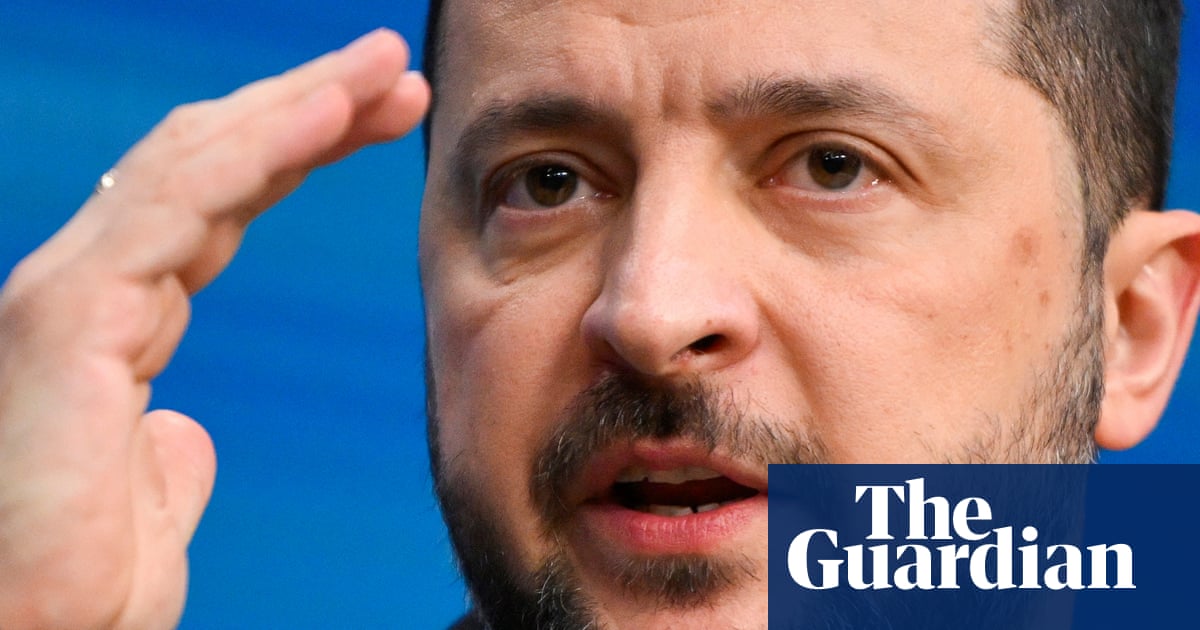
Trump will attend a G7 working session with Zelenskyy but no bilateral meeting is planned, while holding sideline talks with France, Qatar, the UAE, Egypt and India. The article also reports a Ukrainian drone strike in Russia's Krasnodar region that killed 1 and injured 3, plus continued attacks on Russian energy infrastructure. Separately, Ukraine's Zaporizhzhia nuclear plant has been reconnected to the grid after an IAEA-brokered ceasefire and nearly three days on emergency diesel generators.
The biggest market takeaway is not the optics of a G7 sideline but the signaling value of the US posture: Washington appears to be prioritizing broader coalition management over a near-term Ukraine escalation narrative. That typically lowers the odds of an immediate step-change in sanctions or military support, which is mildly supportive for European risk assets and transport/industrial names that have traded with a hard-landing energy-risk premium since 2022. It also argues for a flatter near-term volatility surface in crude and European gas unless the battlefield deteriorates materially.
The drone campaign is increasingly a two-way contest against energy and logistics, not just a military attrition story. Repeated hits on Russian processing, pumping, and export-adjacent infrastructure raise the probability of localized supply disruptions, but the second-order effect is likely a defensive re-pricing in Russian domestic transport, refining, and regional utility operations rather than an immediate global oil shock. The market should care more about cumulative maintenance drag and insurance/shipping costs over 1-3 months than any single strike headline.
The nuclear plant reconnection is the underappreciated tail risk reducer. Every successful restoration after a prolonged blackout reinforces a base case that the plant remains operational but fragile, which lowers the probability of a near-term catastrophic electricity event while keeping a persistent risk premium in regional power and uranium-linked sentiment. If this pattern continues, the market may slowly fade the nuclear outage premium, but any renewed grid strike would snap that back quickly.
Contrarian view: consensus may be overestimating the medium-term geopolitical shock and underestimating the stagnation effect. If Russian gains have plateaued and the US is signaling a desire to end the war quickly, the next few weeks may favor range-bound energy prices and mean reversion in defense beta rather than a fresh risk-off leg. The better asymmetry is in options and pair trades that monetize contained volatility, while preserving upside insurance against a single severe infrastructure escalation.
AI-powered research, real-time alerts, and portfolio analytics for institutional investors.
Request DemoOverall Sentiment
mildly negative
Sentiment Score
-0.15
