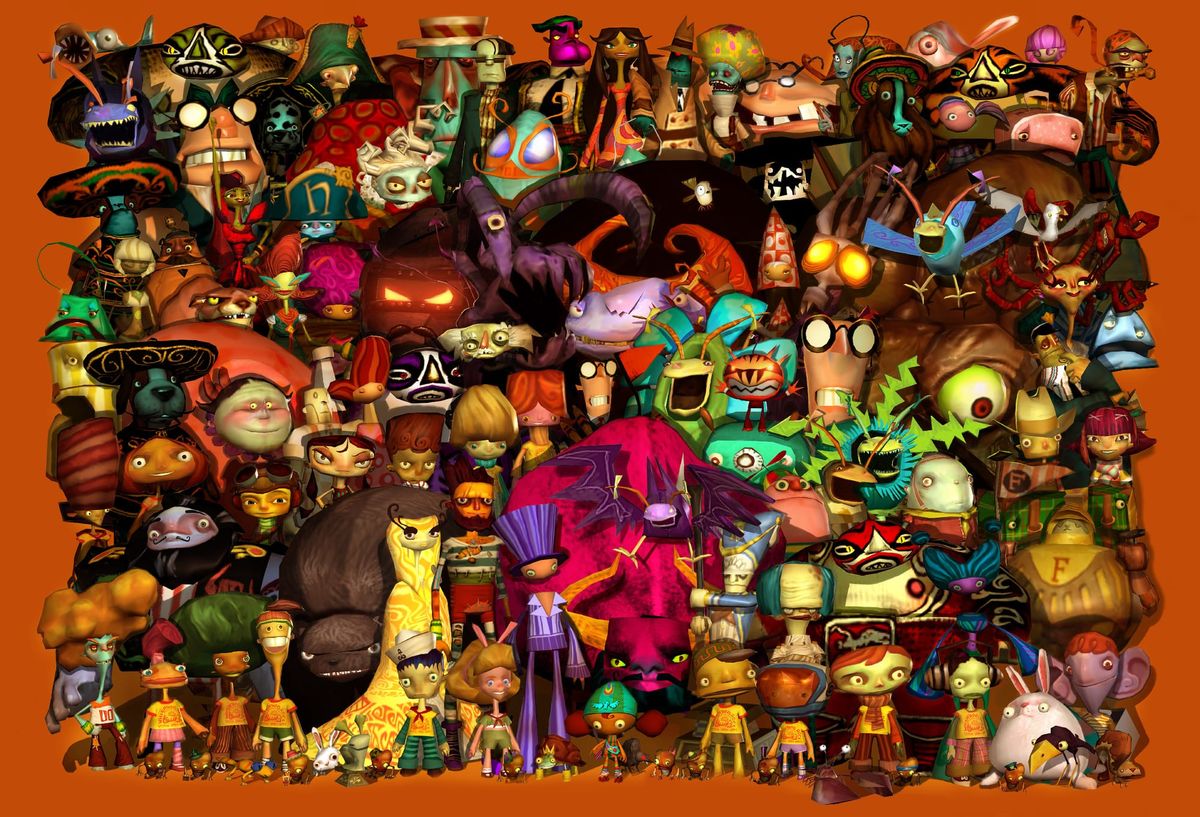
Double Fine’s 42 regular part-time and full-time employees filed a petition on May 7 to unionize with CWA and seek NLRB representation, while also requesting voluntary recognition from Microsoft. The move continues broader labor organization across Microsoft’s games division, where thousands of workers have unionized, though contract ratification has been slow. The article is primarily an update on labor organization rather than a direct operational or financial catalyst.
The incremental equity impact on MSFT is small, but the governance signal matters: labor normalization inside Xbox lowers the odds of a near-term headline shock, yet it also raises the probability of slower content velocity and structurally higher operating friction over time. The second-order issue is not wage expense; it is decision latency. In game development, a small increase in process overhead can materially delay release cadence, and for a platform owner that monetizes engagement across hardware, subscriptions, and first-party content, slippage compounds more than direct cost inflation.
The market is likely underpricing the asymmetry between this and a full franchise disruption. A 42-person unit at one studio is immaterial today, but it adds to a broader pattern that could eventually create benchmarking pressure across other creative teams, especially if Microsoft continues to be the employer of choice in a weak labor market. That said, the company’s neutrality posture is a release valve: by avoiding overt conflict, Microsoft reduces the chance of an expensive legal fight and a reputational bleed that would be more damaging than the organizing itself.
The catalyst path is mostly months, not days. Near-term, the risk is sequencing: if multiple studios pursue representation while contracts remain slow to ratify, the story can shift from isolated labor relations to a persistent governance overhang. The contrarian view is that unionization may actually improve retention and production predictability, which could be net positive for hit-driven content quality; the bear case only works if investors assume bargaining friction translates into missed release windows or weaker margin conversion. The key tell will be whether this stays a contained HR item or starts to influence studio staffing decisions, greenlight discipline, and external partnership behavior over the next 2-4 quarters.
AI-powered research, real-time alerts, and portfolio analytics for institutional investors.
Request DemoOverall Sentiment
neutral
Sentiment Score
0.05
Ticker Sentiment
