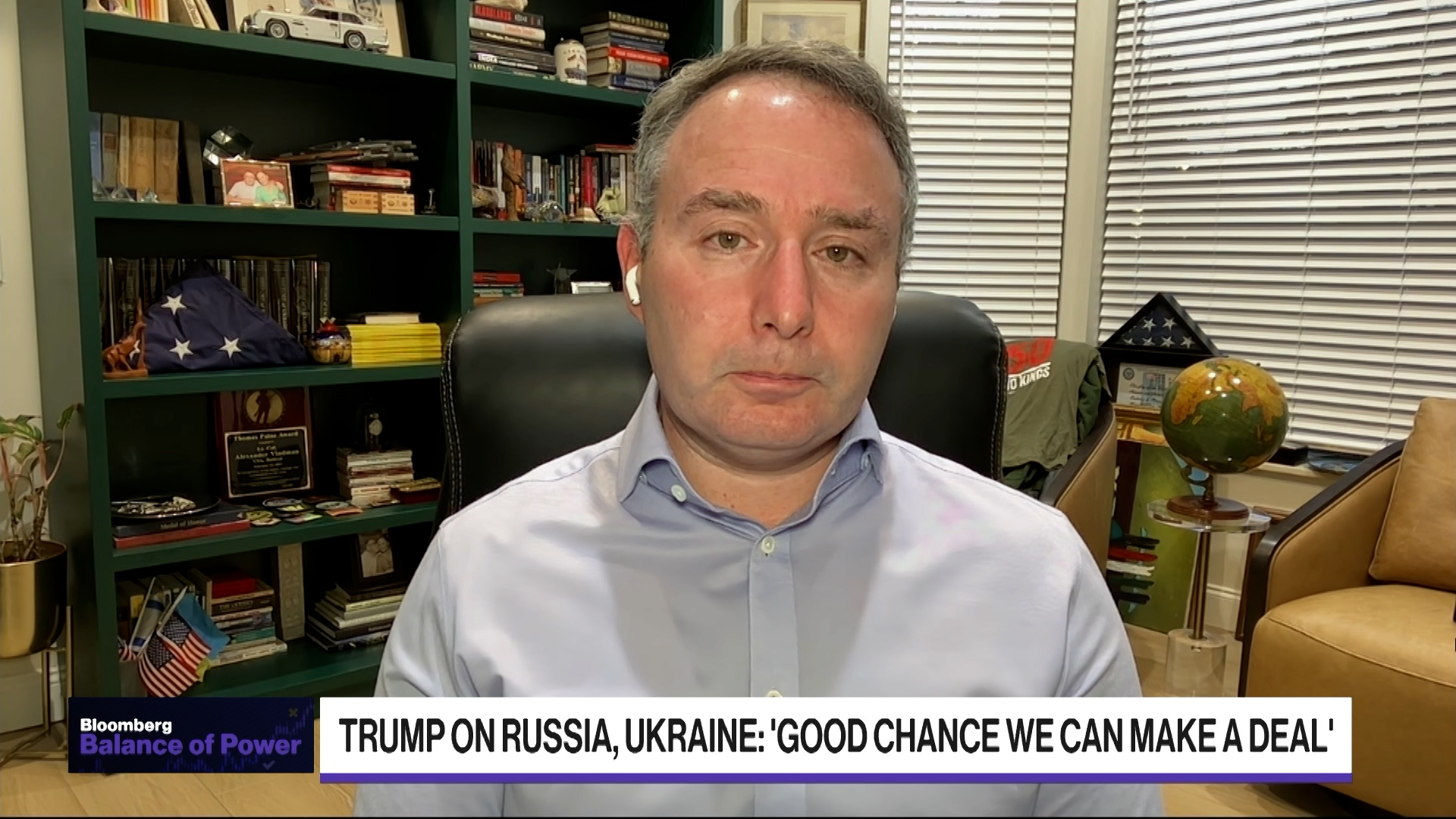
A U.S. security official characterizes the recently circulated 28-point Russian proposal as a non-starter and a ploy to weaken Ukraine, warning that Moscow retains maximalist objectives and is unlikely to accept a deal that preserves Ukrainian sovereignty. The piece highlights concerns that Trump administration figures are pursuing financial access to frozen Russian and EU reconstruction assets, while the resignation of Ukraine chief of staff Yermak is expected to trigger leadership churn and complicate decision-making. European allies are portrayed as rejecting concessions that would strengthen Russia strategically, and separate allegations of U.S. extrajudicial strikes in the Caribbean raising potential war-crimes investigations add further geopolitical risk for investors.
Market-structure: The immediate winners are defense contractors (LMT, RTX, NOC) and energy producers if sanctions/hostilities persist; losers are Russia-exposed commodity counterparties, European banks with Ukraine exposure, and cyclical travel/leisure names. Expect 3–12% upside re-rating in Tier-1 defense revenue profiles if European orders accelerate; conversely 5–20% downside in Ukraine/Russia-linked EM credits if asset-access/legal chaos continues.
Risk assessment: Tail risks include broadening hostilities (low-probability, high-impact) or bilateral US-Russia negotiation on frozen assets that reopens Russian supply — either could swing oil ±10% and defense stocks ±20% within 3–12 months. Near-term (days–weeks) volatility will be driven by leadership changes in Kyiv and US policy signals on frozen assets; medium-term (3–12 months) by winter campaigning and sanctions enforcement; long-term (2026+) by reconstruction flows and rare-earth access.
Trade implications: Overweight defense and hard-commodity materials, hedge via long gold (GLD) and USD; use 3–12 month call spreads on LMT/NOC to capture upside while capping premium. Rotate out of travel/leisure and EM Russia-proximate financials; consider relative-value pair trades long defense vs short airlines (DAL, AAL) for a 3–6 month tactical window.
Contrarian angles: Consensus underestimates legal/administrative frictions around frozen-asset monetization — reconstruction bonanza is not guaranteed and may be delayed to 2026, which favors liquid, short-dated option plays rather than long illiquid stakes. Also, if Europe hardens policy (likely), defense capex beats consensus; if US administration succeeds in accessing assets, select materials/engineering small-caps tied to rare earths and reconstruction profits should materially rerate.
AI-powered research, real-time alerts, and portfolio analytics for institutional investors.
Request DemoOverall Sentiment
moderately negative
Sentiment Score
-0.55
