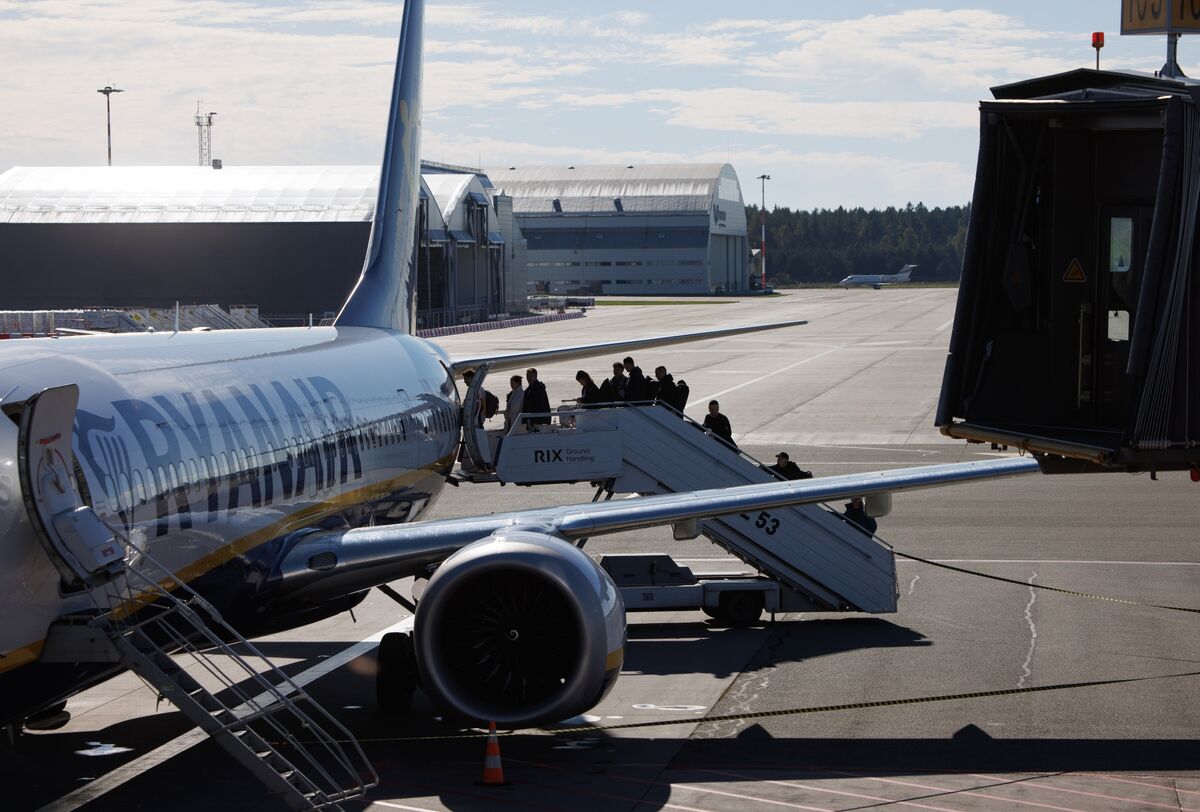
Ryanair is under consumer investigation by the Competition and Markets Authority over an £8 per-flight charge for parents to sit next to children aged 2 to 11. The regulator is examining whether the fee is unfair under contract law. The issue is reputationally negative for Ryanair but appears limited in immediate market impact unless it leads to enforcement action or policy changes.
This is less a one-off reputational issue than a test case for how much “mandatory ancillary revenue” survives under consumer law scrutiny. For low-cost carriers, family seating is a high-margin, low-capex revenue stream; if the regulator forces pre-seat pricing to be deemed unfair, the impact is disproportionately negative because it pressures a revenue line with near-zero variable cost and high conversion. Even if the direct dollar amount is modest, the precedent risk matters more: competitors will likely widen free-seating policies or bundle family assignment into premium products to avoid a similar legal overhang.
The second-order effect is competitive, not just legal. If Ryanair is forced to soften seat-selection practices, the pain can spread to peers that rely on fragmented ancillaries and “choice architecture” pricing, especially other ultra-low-cost airlines where headline fares are intentionally low and monetization happens later in the funnel. That could slightly improve conversion for more transparent full-service carriers on family bookings, because the comparison shifts from base fare to all-in cost once parents start factoring in seat-assignment certainty.
Timing matters: this is likely a months-long process unless the regulator moves to an interim position, so the near-term risk is mostly headline volatility rather than an earnings reset. The bigger catalyst would be a formal finding that the fee is unfair or requires redesign; that would force product changes across booking systems and could hit forward ancillary mix within one to two booking cycles. Conversely, if the company preempts with a lower fee, free family seating threshold, or explicit opt-in bundles, the market may treat it as a contained margin trade rather than a structural threat.
The contrarian view is that the market may be overestimating the P&L impact while underestimating the signaling benefit of a cheaper, family-friendly posture. A forced simplification of fees can reduce abandonment in the booking funnel, partially offsetting lost seat-selection revenue through higher conversion and lower customer service friction. The real bear case is not the current charge itself, but the possibility that regulators use this as a template for broader ancillary-fee policing across Europe.
AI-powered research, real-time alerts, and portfolio analytics for institutional investors.
Request DemoOverall Sentiment
mildly negative
Sentiment Score
-0.15
Ticker Sentiment
