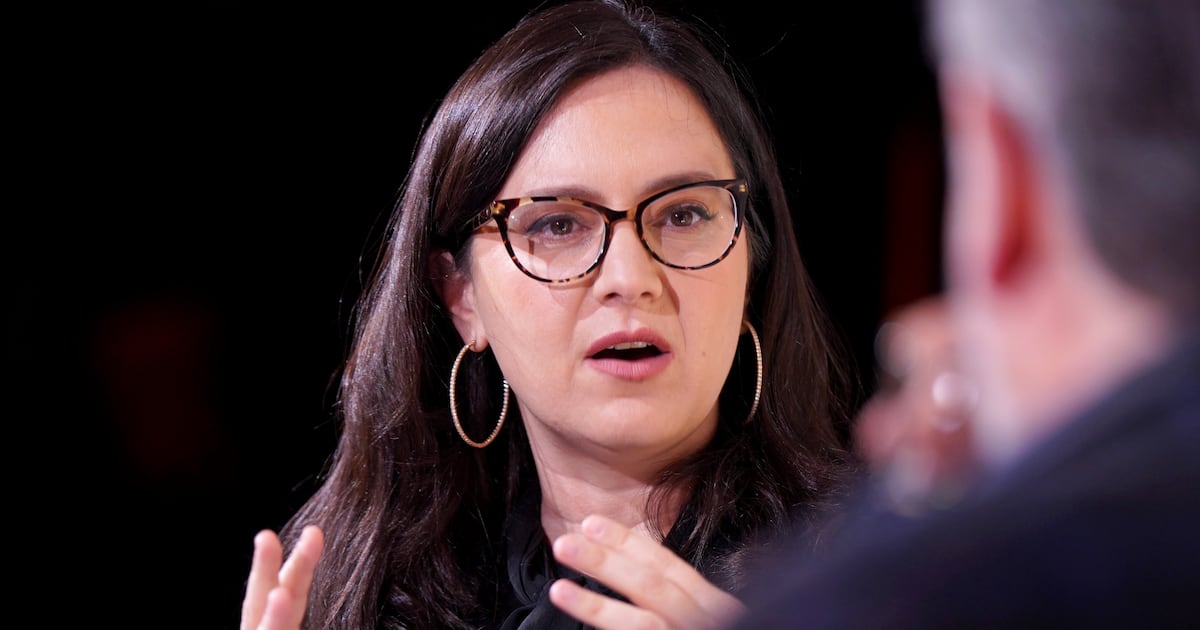
CBS’s 60 Minutes is facing reported "massive changes" after the season ends, including possible layoffs, correspondent departures, and broader newsroom restructuring under editor-in-chief Bari Weiss. Anderson Cooper has passed on contract renewal, Sharyn Alfonsi is also reportedly not being renewed, and Lesley Stahl may be at risk amid editorial clashes. The article points to worsening morale and concerns that Weiss’s editorial approach could damage the 60 Minutes brand, but the direct market impact appears limited.
This is a governance shock with a second-order monetization risk: the issue is not simply reputational drift, but loss of editorial moat. When a flagship news brand starts substituting recognizable correspondents with centrally curated faces, the product becomes more interchangeable with the broader news stack, which tends to compress audience loyalty and weaken pricing power with advertisers and distribution partners over the next 2-4 quarters.
The immediate winners are rival premium news franchises and talent-platform businesses that can absorb dislocated editorial staff. Any perception that this desk is no longer institutionally independent also raises the probability of internal attrition beyond the named departures, which is the real earnings risk: once senior talent starts treating assignments as politically contingent, output quality falls before headcount does. That dynamic can create a slower-burn decline in ratings and sponsorship value even if management avoids a visible ratings collapse in the next few weeks.
Catalyst-wise, the next 30-60 days matter most because season turnover gives management a clean window to implement a broader reset, and that is exactly when employee morale and public scrutiny are most fragile. The contrarian case is that management may be underestimating how much of the audience is attached to the franchise rather than any individual correspondent, so a few high-profile changes could be absorbed without catastrophic ad loss; but that argues for a longer, not shorter, damage curve. The bigger tail risk is legal and labor escalation if departures are framed internally as retaliation, which could surface in forced disclosures, DEI/labor complaints, or delayed production slippage later in the year.
AI-powered research, real-time alerts, and portfolio analytics for institutional investors.
Request DemoOverall Sentiment
strongly negative
Sentiment Score
-0.55
Ticker Sentiment
