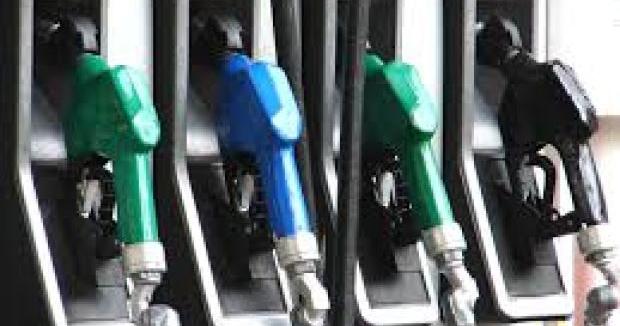
The 80-plus-day closure of the Strait of Hormuz is pushing up diesel, gasoline, jet fuel, and specialized motor oil prices, with ripple effects reaching farms and grocery costs. Patrick DeHaan said full normalization of global oil inventories could take as long as 80 weeks, potentially extending into mid-to-late 2027. The article points to ongoing supply disruption and a broad-based energy price shock that is likely to keep pressure on transportation and agricultural input costs.
This is less a one-off commodity spike than a working-capital shock across the real economy. The first-order winners are upstream energy producers and marine/energy logistics, but the more interesting second-order beneficiaries are firms with formula-based pricing power and low energy intensity, because they can widen gross margins before the broader consumer sees the full cost pass-through. The losers are transportation, packaged foods, ag input distributors, and any retailer with weak inventory turns and long replenishment cycles; they get hit twice, first by fuel and lubricant expense, then by slower unit demand as consumers trade down.
The market is likely underestimating the lag between spot relief and balance-sheet relief. Even if crude retraces quickly, diesel, jet fuel, and specialty oils tend to stay elevated longer because inventories are fragmented and substitution is limited; that creates a multi-quarter squeeze for fleets, airlines, and ag operations that cannot hedge all of their consumption. The key second-order effect is capex deferral: elevated operating costs force fleets to run equipment longer and delay replacement, which supports parts, maintenance, and repair names while pressuring original equipment demand.
Catalyst-wise, the next 2-8 weeks matter for inflation prints, transport margin warnings, and crop input commentary, while the 3-12 month horizon matters for demand destruction and policy response. If energy remains elevated into the next reporting season, watch for a sharp divergence between headline CPI and core transport/freight-sensitive sectors; that usually compresses multiples for consumer discretionary and industrials before it shows up in reported earnings. The contrarian take is that the market may be too fast to assume a durable oil super-spike: once reserve releases, diplomatic backchannels, or shipping rerouting normalize barrels, the hardest-hit cyclical names can rebound sharply even if end-demand remains soft.
AI-powered research, real-time alerts, and portfolio analytics for institutional investors.
Request DemoOverall Sentiment
strongly negative
Sentiment Score
-0.55
