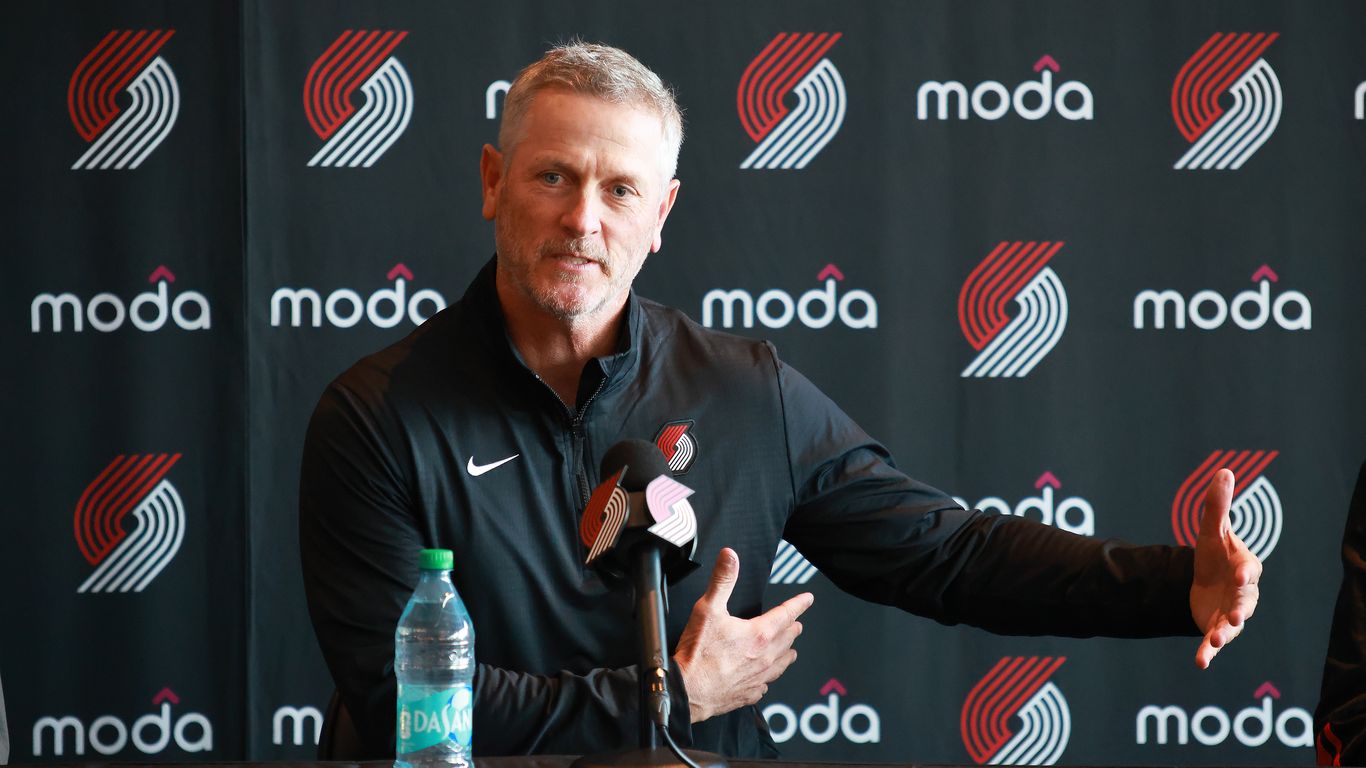
Tom Dundon’s cost-cutting moves as new Blazers owner have drawn fan backlash, including reduced travel perks, no free playoff T-shirts, and potential mascot cuts. The article frames the situation as a reputational and governance issue rather than a direct financial event, though a road win in San Antonio briefly tempered the criticism. Market impact appears limited and mostly sentiment-driven.
This is a classic governance-and-brand trap: in sports, marginal cost cuts rarely matter to enterprise value as much as they matter to perception. The second-order effect is not just fan annoyance; it is a weakening of the local flywheel that drives premium seat renewal, sponsorship pricing, and ancillary spend, all of which are far more durable revenue streams than any travel or hospitality savings. If the owner is signaling austerity before the team has earned credibility, the market will assume a broader willingness to underinvest in the roster and operating infrastructure.
The near-term risk is asymmetry: the savings are immediate and visible, while the damage to brand equity compounds over multiple seasons. That creates a multi-quarter overhang on attendance elasticity and partner negotiations, especially if performance stalls and the team cannot offset the narrative with winning. The tail risk is that cost discipline bleeds into player retention or front-office talent acquisition, which is where an owner can quietly destroy value even while posting superficial EBITDA improvements.
The contrarian angle is that some of this backlash may be noise if the behavior reflects disciplined capital allocation rather than cheapness. In a capped-revenue league with limited operating leverage, the best owners are often those who avoid vanity spending and concentrate resources where wins are created. If on-court performance improves, the media cycle likely reverses quickly and the public may reframe the owner as merely unpopular, not harmful.
There is no direct listed-equity expression here, but the practical trade is around sentiment duration. The key monitor is whether ticket demand, local sponsorship chatter, or playoff atmosphere weakens over the next 1-2 quarters; if so, the reputation penalty is becoming economically real rather than just social-media driven.
AI-powered research, real-time alerts, and portfolio analytics for institutional investors.
Request DemoOverall Sentiment
mildly negative
Sentiment Score
-0.20
