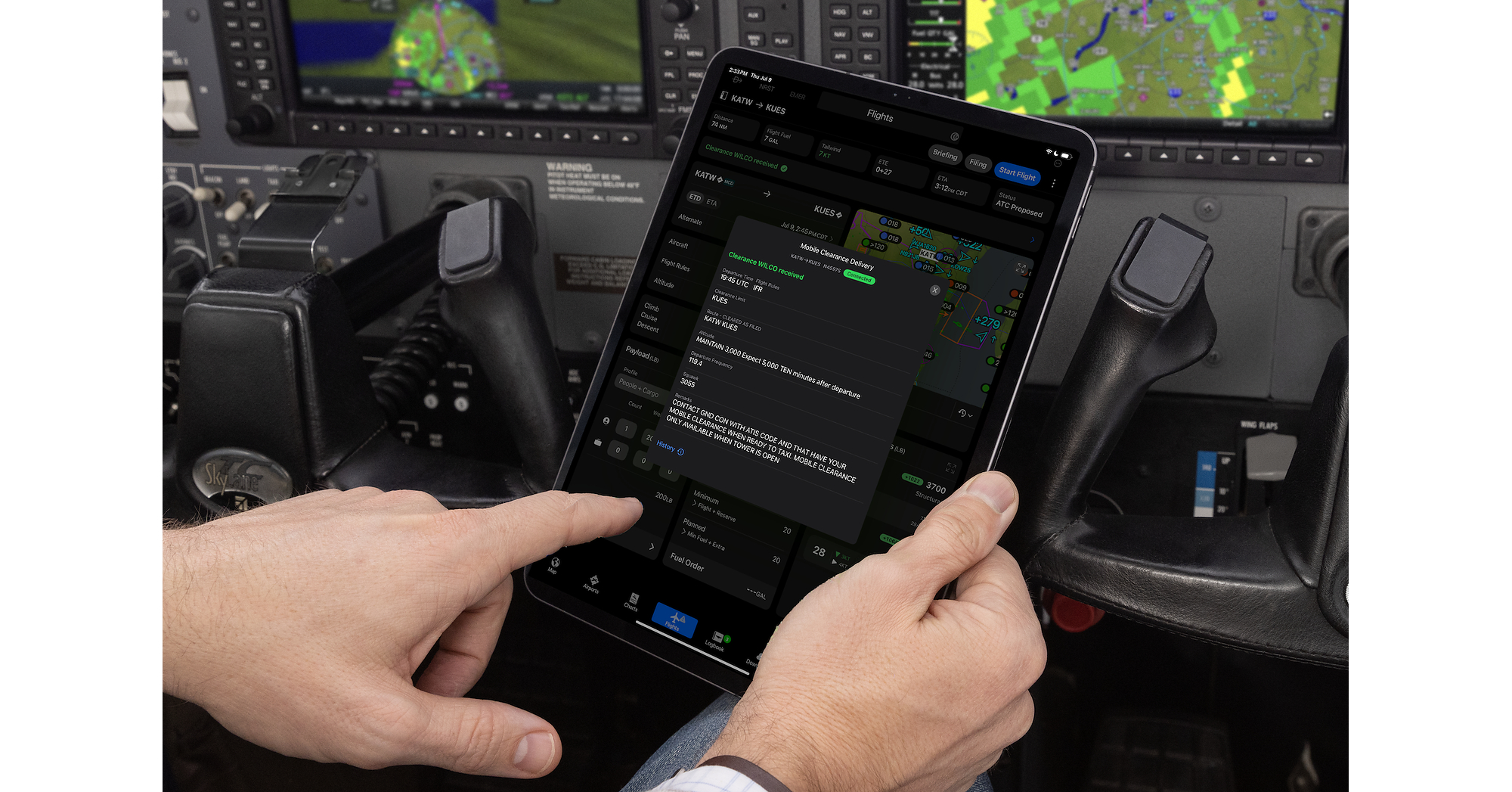
Garmin (GRMN) launched Mobile Clearance Delivery in Garmin Pilot for iOS, letting Garmin Pilot Premium subscribers receive and accept IFR clearances electronically at select U.S. airports, typically within 30 minutes of departure. The feature is in operational test/evaluation with the FAA and MITRE, is available in limited capacity now at 5 airports, and is planned for phased nationwide rollout through 2028. It aims to reduce pilot/controller communication load and readback errors, with future app-based IFR cancellation after landing.
This is a moat/retention story more than a direct P&L event. The economic value sits in deeper workflow integration: if pilots start using Garmin at filing, clearance, and post-landing in one loop, Garmin raises switching costs and makes its premium software and compatible avionics harder to dislodge. The immediate revenue impact is likely immaterial, but even a modest lift in renewal rates or hardware attach would matter more than app pricing alone.
The second-order competitive effect is on the GA flight-planning stack. Software peers such as ForeFlight and other planning tools may be forced to match workflow conveniences, but Garmin’s real advantage is the hardware/software handoff into Connext-compatible cockpit systems, which can reinforce higher-margin avionics sales over time. That is more relevant for GRMN’s Aviation segment multiple than a one-off feature launch.
Near term, the stock should not be valued off this press release because coverage is narrow and the rollout is still gated by operational testing and FAA coordination. The catalyst path is 1-3 quarters of usage data and 6-18 months of evidence that the feature improves retention, reduces churn, or drives premium conversion; if that data does not show up, the move is overdone. Main risks are rollout slippage, user adoption below expectations, or competitors matching the workflow quickly, which would cap any moat premium.
AI-powered research, real-time alerts, and portfolio analytics for institutional investors.
Overall Sentiment
mildly positive
Sentiment Score
0.25
Ticker Sentiment
