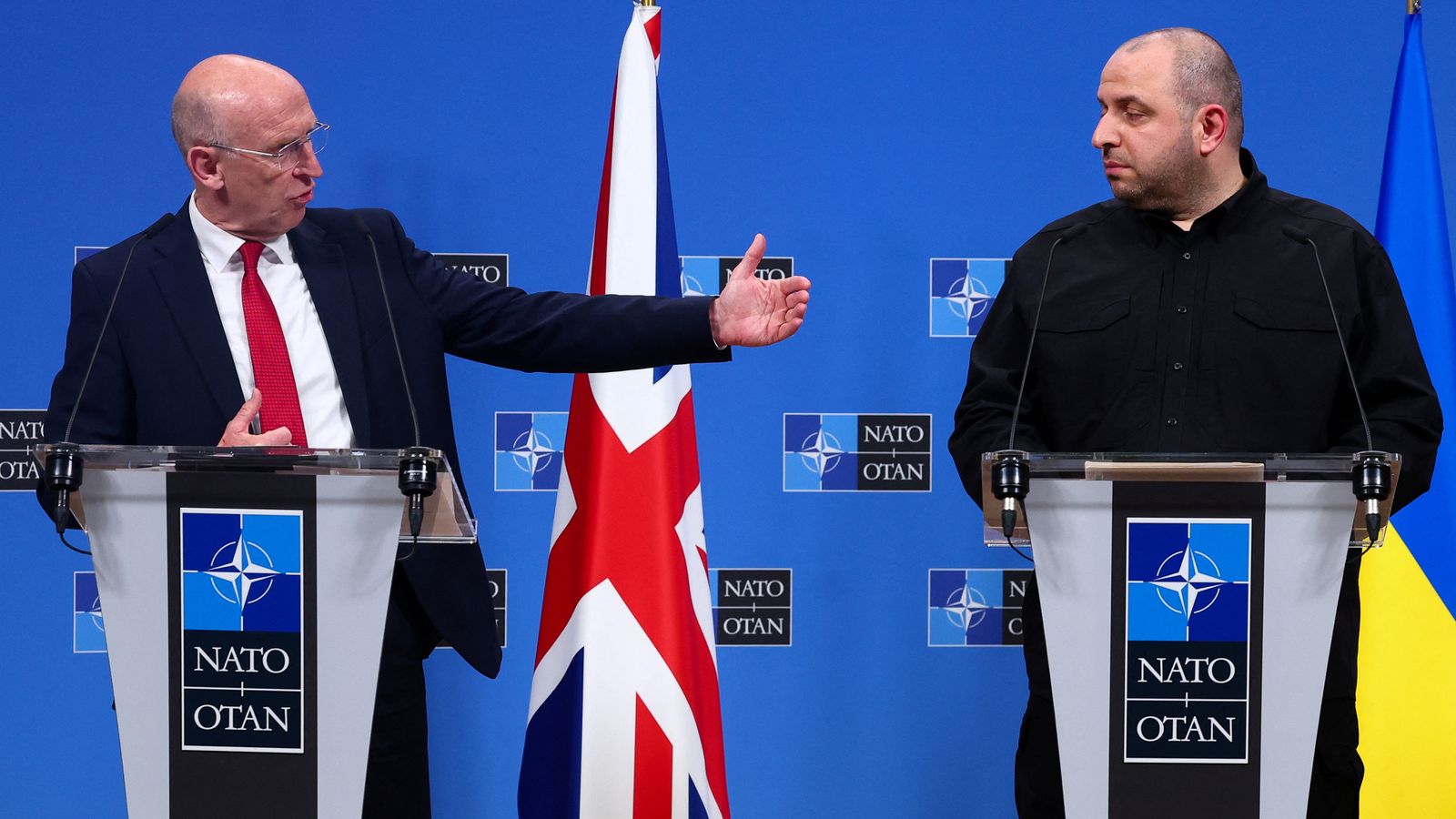
NATO allies, including the UK, are expected to pledge to spend 5% of GDP on defense and related areas, influenced by demands from Donald Trump, though the agreement contains potential for accounting maneuvers. The core commitment involves raising defense spending to 3.5% of GDP by the 2030s, up from 2%, with stricter definitions for what qualifies as defense expenditure, potentially requiring the UK to increase core defense spending by 1.4% of GDP. The remaining 1.5% will be allocated to less defined "defense-related areas" like infrastructure, allowing members to reach the 5% target without solely increasing military spending, but the lack of clarity raises concerns about the true impact on defense capabilities.
NATO allies, including the UK, are expected to agree to a Donald Trump-influenced pledge to allocate 5% of GDP towards defense and related security areas, though the agreement incorporates elements that allow for considerable accounting flexibility. A core component of this commitment is a new target to elevate defense spending to 3.5% of GDP by the 2030s, an increase from the current 2% threshold, which will be governed by stricter NATO expenditure accounting rules. For the UK, these new rules could disqualify 0.2% of its current GDP defense spend, necessitating an actual uplift in core defense spending from 2.1% to 3.5% of GDP. The additional 1.5% of GDP, intended to reach the 5% headline figure, is designated for "defense-related areas," a category that remains ill-defined but could encompass infrastructure projects such as roads, railways, and ports. This ambiguity, alongside a moderately negative sentiment score (-0.4) and cautious tone associated with the news, suggests potential for "smoke and mirrors," making it challenging to ascertain the true net increase in dedicated military capabilities. The timeframe also varies, with NATO aiming for 2032 while the UK prefers a 10-year ramp-up, reflecting the political and fiscal realities European nations face in meeting these heightened US-driven demands, crucial for maintaining alliance cohesion and European security.
AI-powered research, real-time alerts, and portfolio analytics for institutional investors.
Overall Sentiment
moderately negative
Sentiment Score
-0.40
