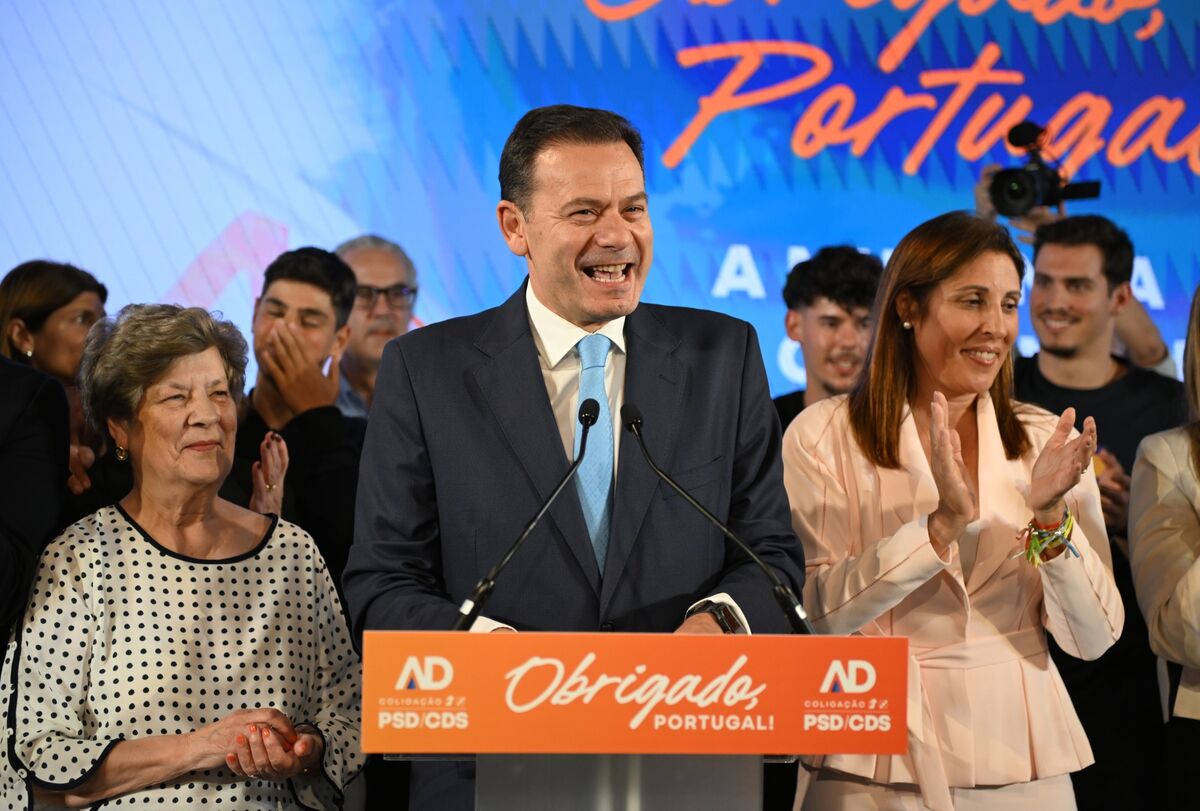
Luis Montenegro has been formally appointed as Portugal's prime minister for a second term after his center-right coalition won the recent snap election. The appointment, announced by President Marcelo Rebelo de Sousa, signals the start of a new minority administration, which parliament will allow to govern.
Luis Montenegro has been formally appointed as Portugal's prime minister for a second term, following his center-right coalition's victory in the recent snap election. The announcement by President Marcelo Rebelo de Sousa confirms the establishment of a new minority administration, which parliament will reportedly allow to commence governing. While this resolves the immediate leadership question, the formation of a minority government inherently introduces potential challenges regarding policy implementation and long-term stability, as such administrations often require cross-party support to pass legislation. The associated general sentiment is neutral (0.0), and the market impact score is very low (0.1), suggesting that financial markets had largely anticipated this outcome or do not perceive it as a significant immediate catalyst for volatility in Portuguese assets. The focus will now shift to the new government's ability to navigate the political landscape and advance its agenda.
AI-powered research, real-time alerts, and portfolio analytics for institutional investors.
Request DemoOverall Sentiment
neutral
Sentiment Score
0.00
