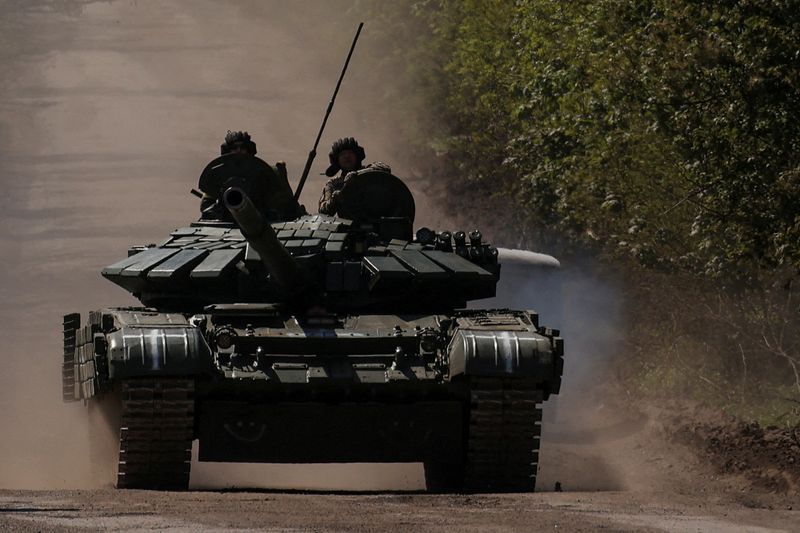
A major Ukrainian drone assault on Russia killed at least 4 people, including 3 in the Moscow region, and injured 12, marking the largest coordinated aerial attack on Moscow in more than 12 months. Russia said 556 drones were downed overnight, with debris disrupting transport hubs and striking near Moscow’s oil refinery, though the refinery’s core technology was reported undamaged. The event raises geopolitical risk and could weigh on Russian infrastructure, defense, aviation, and energy-related sentiment.
The market implication is not just a higher geopolitical risk premium; it is a forced repricing of operational fragility across Russian logistics, power, and insurance channels. Even when headline infrastructure is intact, repeated drone saturation attacks raise the expected cost of keeping transport nodes and refining assets fully utilized, which tends to push local insurers, shippers, and fuel distributors into defensive mode long before physical outages appear.
The more interesting second-order effect is asymmetry: Russia can defend against single-point incidents, but large-volume raids increase the probability of cascading disruptions from debris, emergency closures, labor absenteeism, and precautionary rerouting. That means the near-term beneficiary set is broader than traditional defense stocks — it includes non-Russian supply-chain alternatives, NATO air-defense suppliers, and traders positioned for wider East European risk premia in diesel and jet fuel.
For energy markets, the key question is not whether the refinery is damaged today, but whether repeated attacks force a self-insurance response that reduces throughput, raises maintenance capex, or widens domestic product spreads. If that happens, the effect shows up first in regional refined-product tightness rather than crude, and the most exposed assets are transport-heavy industries in Europe that rely on stable diesel availability. The time horizon is days for headline volatility, but weeks to months for actual logistics rerating.
Consensus may be underestimating how quickly markets fade one-off attacks, while overestimating the resilience of critical infrastructure under repeated saturation. The tradeable edge is to express the risk through beneficiaries of elevated defense spending and energy-security policy, rather than trying to short Russian assets directly, where liquidity and sanctions make implementation messy.
AI-powered research, real-time alerts, and portfolio analytics for institutional investors.
Request DemoOverall Sentiment
strongly negative
Sentiment Score
-0.75
