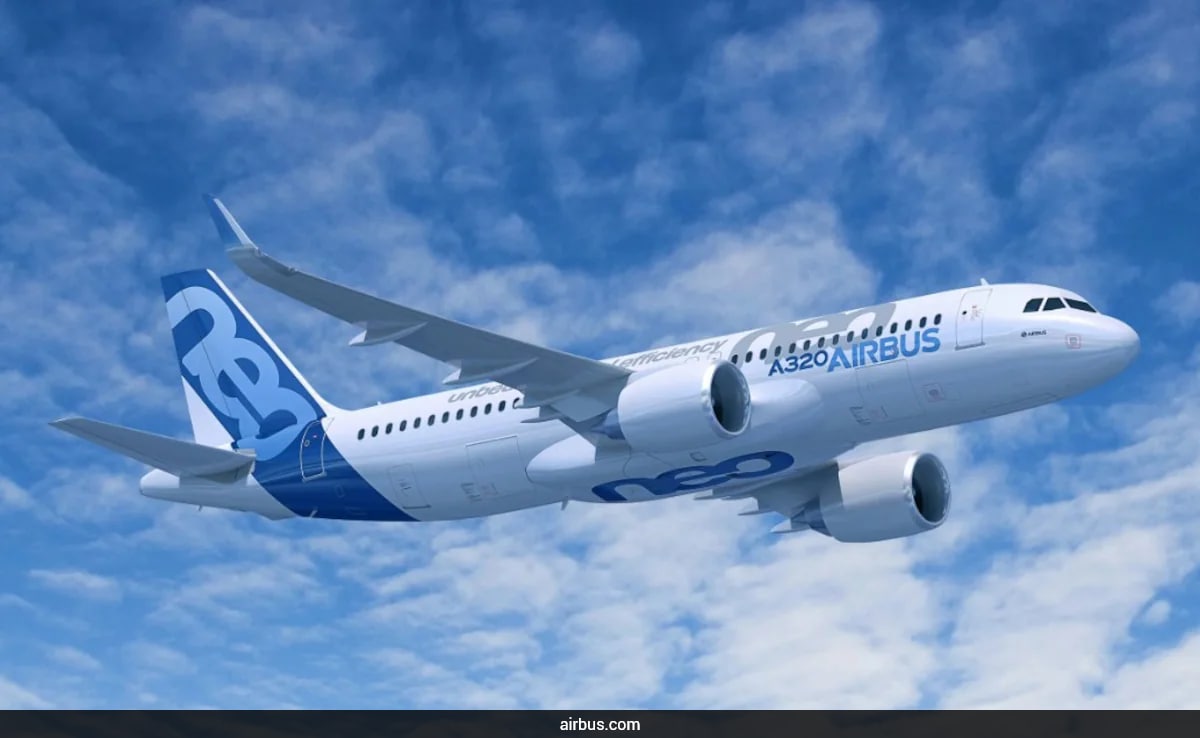
Airbus has ordered urgent safety checks and software updates across nearly 6,000 A320-family aircraft after engineers found that intense solar cosmic radiation can corrupt altitude data, a problem traced to an October JetBlue incident that caused an emergency landing and 15 injuries. Most aircraft can be fixed with a roughly three-hour software patch and many carriers (e.g., Wizz Air, EasyJet) have returned planes to service, but about 900 older jets require full computer replacements and are limited to ferry flights under emergency airworthiness directives in Europe, the UK and the US. Airlines and regulators stress the measures are precautionary, but the grounding and hardware swaps create operational risk, potential delays/cancellations and reputational exposure for Airbus and affected carriers.
Market structure: The immediate winners are MRO providers and large lessors with spare A320-equivalent capacity — ~6,000 A320-family jets are affected and ~900 (≈15%) require hardware swaps that take them OOS for longer than a software patch. Airlines with Boeing-heavy fleets (e.g., LUV, UAL) gain temporary pricing power on trunk routes; smaller/older A320-dependent carriers (EZJ.L, WIZZ.L) face revenue and re-accommodation costs. OEM reputational risk rises for Airbus (AIR.PA / EADSY) and select avionics suppliers, but majority fixes are <3 hours so structural supply-demand for seats is only transient.
Risk assessment: Tail risks include regulators expanding ferry-only directives (weeks) or discovery of further failure modes forcing >900 additional hardware swaps (months), which would push global narrowbody capacity down >1–2% and spike fares. Immediate horizon (days): route cancellations and local stock/IV spikes; short-term (weeks–months): opex and spare-part bottlenecks; long-term (quarters+): higher certification/regulatory costs and possible litigation if incidents rise. Hidden dependencies include avionics supply chain chokepoints, insurer claims, and solar activity forecasting accuracy.
Trade implications: Tactical longs — short-duration exposure to MROs and diversified lessors; shorts — concentrated, aging A320 operators and airlines with thin margins and limited fleet flexibility. Options: buy short-dated calls on selected MROs/lessors and buy puts or widen credit hedges on Airbus only on >10% drawdown. Rotate 2–5% equity weight from cyclical leisure names into industrial MRO and select widebody/737 operators for 1–3 month alpha.
Contrarian angles: Consensus may over-penalize Airbus equity given ~85% of fleet fixable by software in hours — historical MAX-style structural damage is unlikely. If market sells AIR.PA >8–12% intraday, that likely creates a buying opportunity; conversely, if hardware-swap backlog grows past 1,500 jets, downside is underpriced. Unintended consequence: renewed focus on radiation/COTS testing could raise OEM certification costs 5–10% over next 12–24 months, benefiting MRO and testing-equipment vendors.
AI-powered research, real-time alerts, and portfolio analytics for institutional investors.
Request DemoOverall Sentiment
moderately negative
Sentiment Score
-0.35
