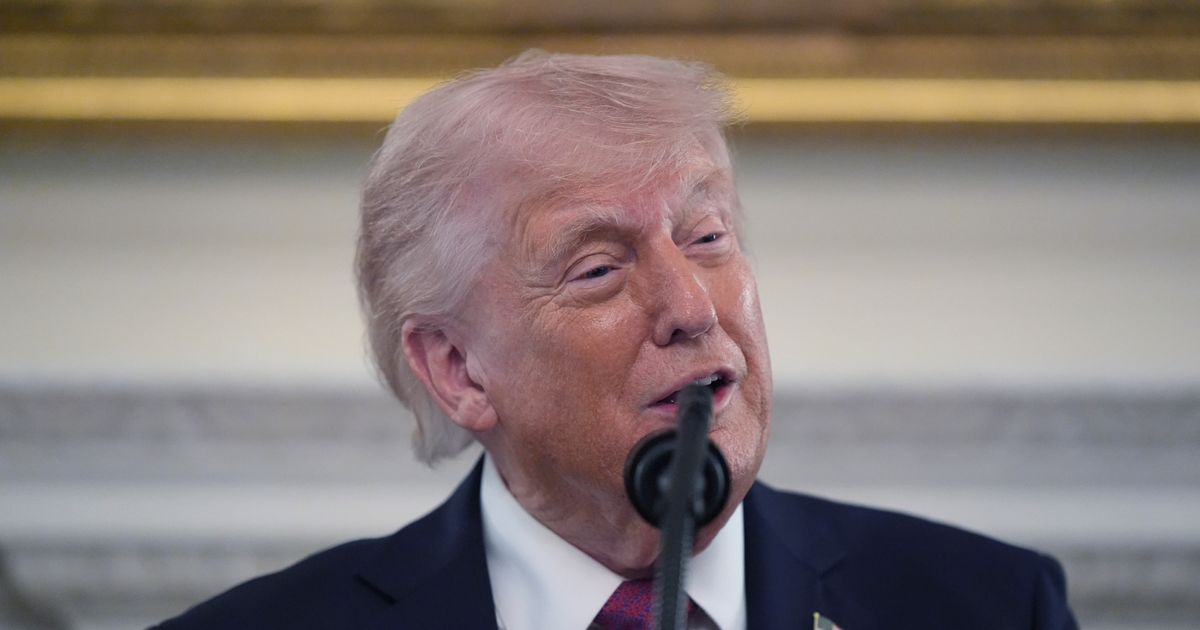
President Trump will announce a pricing deal with Regeneron that lowers current and future drug prices on Medicaid and offers Praluent at $225 on TrumpRx. Regeneron also agreed to invest nearly $10 billion to expand pharmaceutical production in the U.S., with the deal tied to the administration's most-favored-nation drug pricing push. The news is supportive for Regeneron operationally but has broader implications for drug pricing, Medicaid budgets, and pharmaceutical policy.
The immediate market read-through is not simply “pharma bearish”; it is a redistribution of margin from pricing power to volume, politics, and manufacturing optionality. The companies most exposed are those with concentrated U.S. franchise value and limited Medicaid sensitivity, because this sets a precedent for negotiated pricing even where direct earnings impact is modest today. The bigger second-order effect is on the sector’s terminal multiple: once pricing becomes a campaign issue with an administered reference-price framework, investors will start discounting not just current exposure but the probability of future class-wide compression.
The supply-chain angle is more interesting than the headline price concession. A large domestic production commitment can be read as an implicit industrial-policy trade: margin now in exchange for tariff relief and regulatory goodwill later. That favors firms with existing U.S. manufacturing footprints, fill-finish capacity, and biologics complexity, while pressuring lower-capacity competitors that cannot easily replicate the “onshore-and-comply” strategy. Over 6-18 months, contract manufacturers, specialty biologics suppliers, and domestic capex beneficiaries may see a better risk/reward than branded pharma itself.
The contrarian view is that the direct earnings effect is likely smaller than the political signaling effect. Medicaid already mutes patient out-of-pocket sensitivity, so the real economic transmission is through state budgets and headline optics, meaning the administration can claim victory without materially changing near-term utilization. That creates a setup where the initial sector selloff could be overdone unless Congress codifies the framework, which is the true medium-term risk and the main catalyst to watch over the next 3-9 months.
Short term, expect a sympathy bid in names perceived as domestic manufacturing winners and a relative underperformance of high-visibility branded pharma with broader pricing scrutiny risk. Any reversal will likely come from legal challenges, weaker-than-promised implementation, or if the deal is shown to be more cosmetic than cash-flow relevant. The key is to separate political headline beta from actual earnings beta, which are not the same trade here.
AI-powered research, real-time alerts, and portfolio analytics for institutional investors.
Request TrialOverall Sentiment
neutral
Sentiment Score
0.15
