



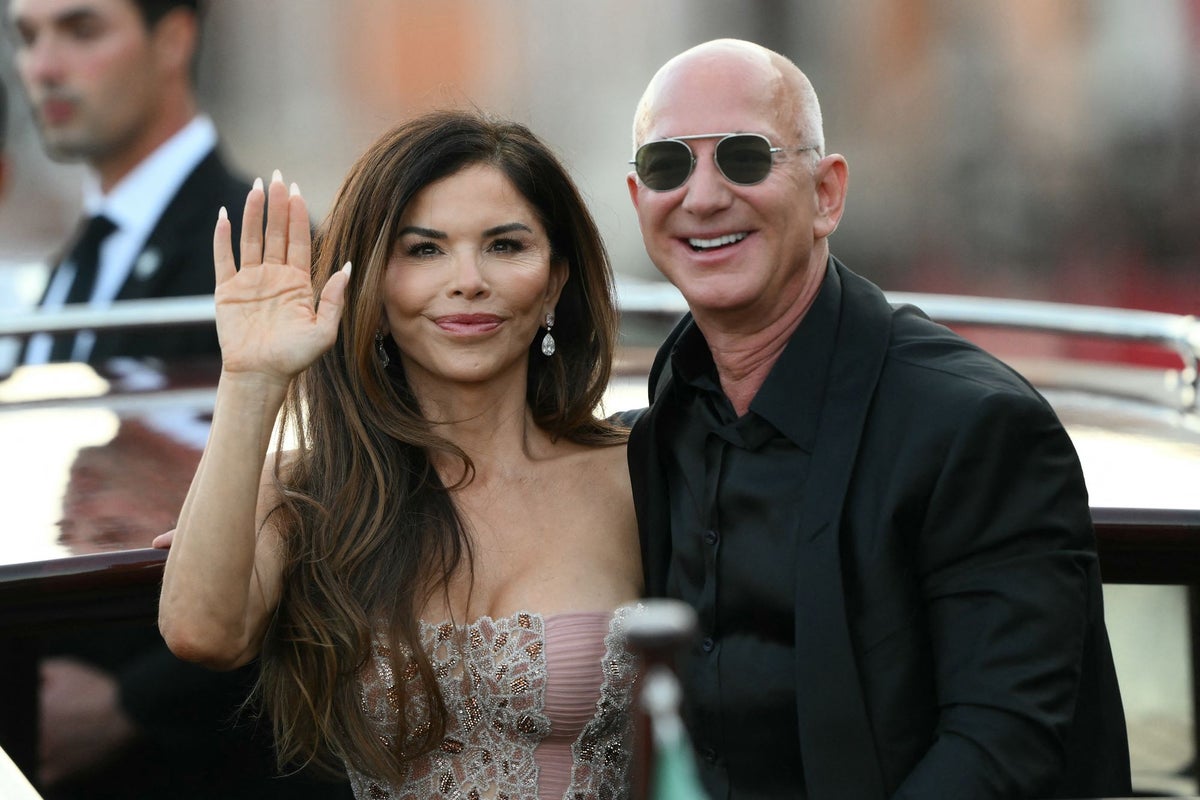
Jeff Bezos and Lauren Sánchez Bezos are serving as lead sponsors of the 4 May Met Gala, triggering boycott calls and protests over alleged worker exploitation and influence-buying. The backlash is reputational rather than financial, but it highlights sensitivity around Amazon's labor practices and Bezos's public profile. Anna Wintour has defended the sponsorship, while the event's primary backer breaks from the Met Gala's legacy-fashion-house precedent.
This is less a direct earnings event for AMZN than a governance-and-brand overhang that can leak into multiple stakeholder channels. The immediate risk is not ad revenue or retail demand, but incremental reputational drag in a period where Amazon is trying to re-rate itself as a responsible AI/logistics/platform winner; that narrative matters for employee morale, regulator posture, and political capital. The event also creates a neat short-term optics trade: any visible association between a luxury cultural institution and “labor exploitation” is amplifying activist content that can travel farther than the underlying issue.
The second-order effect is that AMZN’s political beta rises into a highly sensitive window. Even if this campaign is economically immaterial, it reinforces a pre-existing investor concern that Bezos/Amazon have become a durable lightning rod across labor, antitrust, and immigration narratives. That can widen the multiple discount versus other mega-cap platforms for weeks to months, especially if the story migrates from cultural criticism into mainstream business press or congressional commentary.
ICE and TSLA are likely incidental here, but the framing matters: anything that ties Amazon to immigration enforcement or labor displacement keeps a broader anti-tech / anti-billionaire populist theme alive. NYT is not economically exposed, but the company benefits when premium narrative-driven controversy drives engagement; that’s a modest positive for attention economics, not a fundamental catalyst. The contrarian take is that the market may overestimate the persistence of this backlash: absent a broader labor action or policy development, the headline half-life is short, and AMZN’s core fundamentals should dominate within days unless activists find a second venue for escalation.
For positioning, the cleaner expression is to hedge AMZN sentiment risk rather than short the stock outright: there is no obvious earnings bridge from this event to valuation compression large enough to justify a large directional negative. The better setup is tactical and event-driven around the gala date, with downside skew if protest coverage becomes viral, but fadeability thereafter if the story stalls.
AI-powered research, real-time alerts, and portfolio analytics for institutional investors.
Request TrialOverall Sentiment
mildly negative
Sentiment Score
-0.15
Ticker Sentiment
