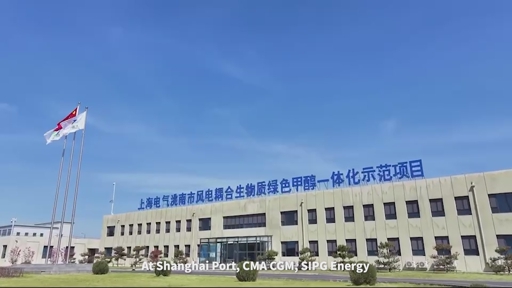
Shanghai Electric joined Shanghai International Port Group and CMA CGM for an 8,000 tonnes biomethanol bunkering operation at Yangshan port (Shanghai), described as the largest ever recorded. The supply was anchored by Shanghai Electric’s Taonan green methanol project, with a “north-south” green-fuel corridor spanning Taonan (Jilin) → Dalian transit/storage → Shanghai bunkering, supporting large-scale and steady deliveries. The company also highlighted follow-on plans for an integrated biomass gasification + green hydrogen project (Taonan phase II) to expand green methanol and SAF supply for shipping and aviation.
This is more important as a commercialization signal than as an immediate earnings event. For SIELY, the value is in proving it can stitch together feedstock, logistics, storage, and end-use into a repeatable platform; that creates optionality on future EPC, equipment, and operating contracts, but the current revenue/margin contribution is still likely immaterial relative to the group. The nearest-term market reaction should be narrative-driven, while the fundamental re-rate only comes if Taonan converts into multi-year offtake with visible gross margin and repeat orders.
The second-order winners are the infrastructure and certification layers around green marine fuels: port operators, storage/logistics providers, and shipowners that can secure early access to compliant fuel and win premium cargo from ESG-sensitive shippers. Conventional bunker fuel suppliers in the Shanghai corridor face gradual substitution risk, but the real displacement is likely over years, not weeks, because supply scaling and price parity remain the binding constraints. If this corridor becomes replicable, it can also pull demand into upstream renewable power and biomass collection rather than just the industrials named in the release.
The key risk is over-interpreting a showcase transaction as evidence of durable economics. The thesis breaks if repeat volumes do not show up, if green methanol stays structurally above marine fuel parity, or if phase II capex fails to translate into contracted cash flow within 12-18 months. Near term, this is a sentiment catalyst; over 1-3 months, watch for backlog disclosures, subsidy support, and any follow-on shipping commitments; over 6-18 months, watch whether SIELY turns this into a platform business rather than a one-off PR milestone.
AI-powered research, real-time alerts, and portfolio analytics for institutional investors.
Request DemoOverall Sentiment
moderately positive
Sentiment Score
0.35
Ticker Sentiment
