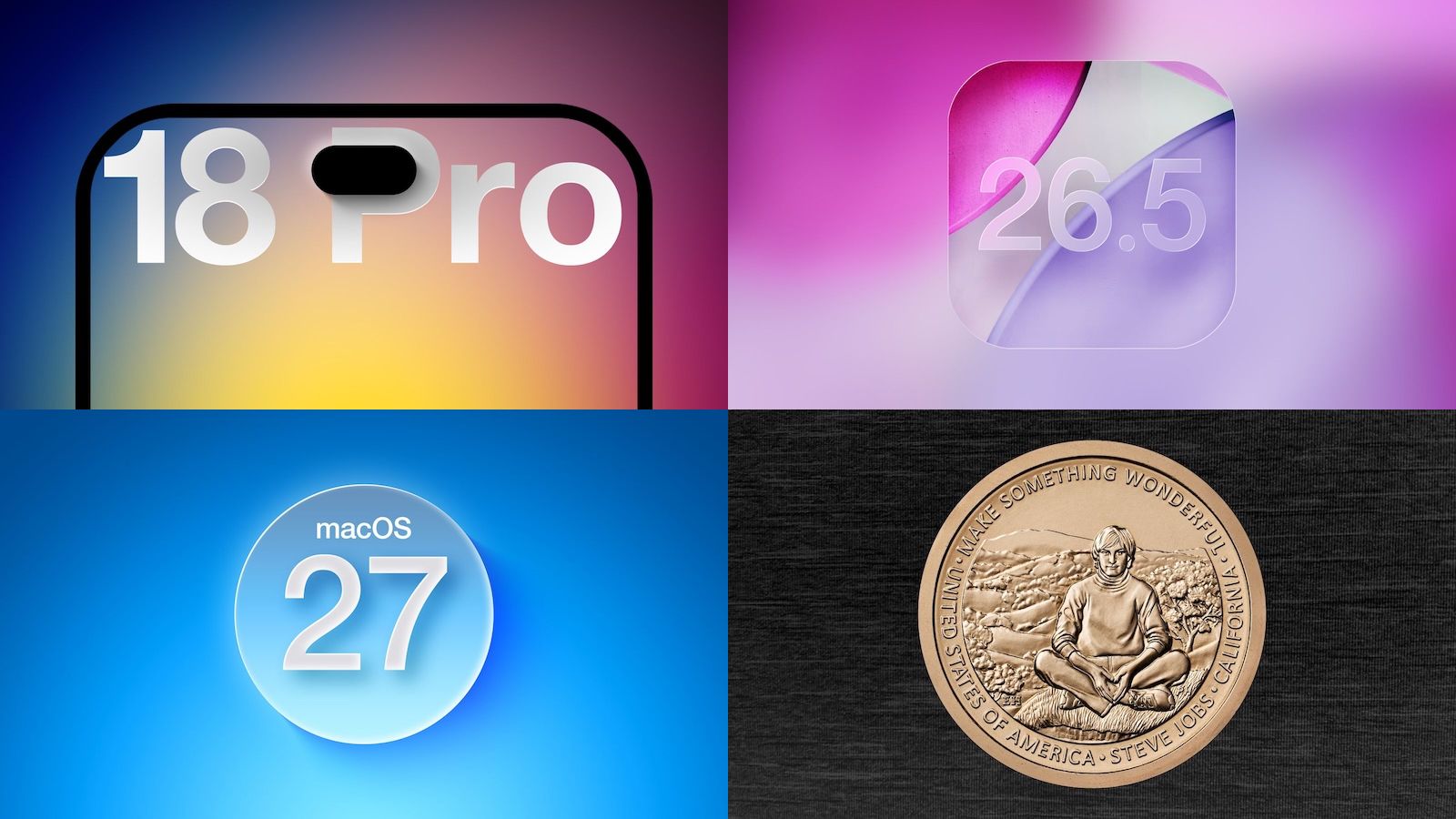
Apple’s near-term news flow is centered on upcoming software and hardware cycles, including WWDC on June 8 and the expected fall launches of iPhone 18 Pro and Apple Watch Series 12. iOS 26.5 added RCS end-to-end encryption beta, Maps recommendations, and security fixes, while macOS 27 is said to get a slight redesign and auto tab grouping in Safari. Apple also tightened education pricing verification via UNiDAYS in the U.S. and Canada and expanded Watch eligibility for education discounts in several countries.
Apple is entering a classic “portfolio digestion” phase: the next 6-10 weeks are more about expectation management than monetization, which usually caps near-term multiple expansion even when the product cadence remains intact. The incremental hardware/software signals point to a company optimizing usability and ecosystem lock-in rather than forcing a demand step-up, so the market’s near-term focus should be on whether iPhone unit assumptions are already too rich versus what can actually ship in the fall.
The education-verification shift is more important than it looks because it turns a soft channel into a measurable funnel. That tends to improve promo efficiency and reduce leakage, but it also removes some low-friction impulse buying; the second-order effect is likely better ASP discipline, not volume acceleration. Adding Watch to the discount pool is a subtle demand-supportive move for a category that needs attach-rate growth more than headline innovation, and it may modestly cushion wearables revenue if the broader consumer backdrop stays uneven.
The bigger debate is around premium pricing power into a memory-cost inflation cycle. If Apple can hold pricing on Pro models while competitors pass through component cost inflation, the relative winner is Apple’s gross margin stability and ecosystem share, but the risk is that a weaker upgrade cycle turns any price increase into a demand tax. In that setup, suppliers with concentrated Apple exposure face a mixed outcome: fewer units could outweigh better ASPs, while Apple’s balance sheet and brand allow it to absorb cost shocks better than Android OEMs.
The most important catalyst is WWDC: the market will care less about feature counts than whether Apple Intelligence and design changes are enough to re-ignite an upgrade narrative into the September window. If WWDC disappoints, the stock can trade sideways for weeks as investors wait for hardware validation; if it surprises, the upside is likely in duration of the re-rating rather than immediate earnings revisions. The contrarian view is that consensus may be underestimating how much “good enough” software polish can defend share without a killer feature, which supports the long-term bear case on terminal growth but not necessarily a near-term multiple collapse.
AI-powered research, real-time alerts, and portfolio analytics for institutional investors.
Request DemoOverall Sentiment
neutral
Sentiment Score
0.10
Ticker Sentiment
