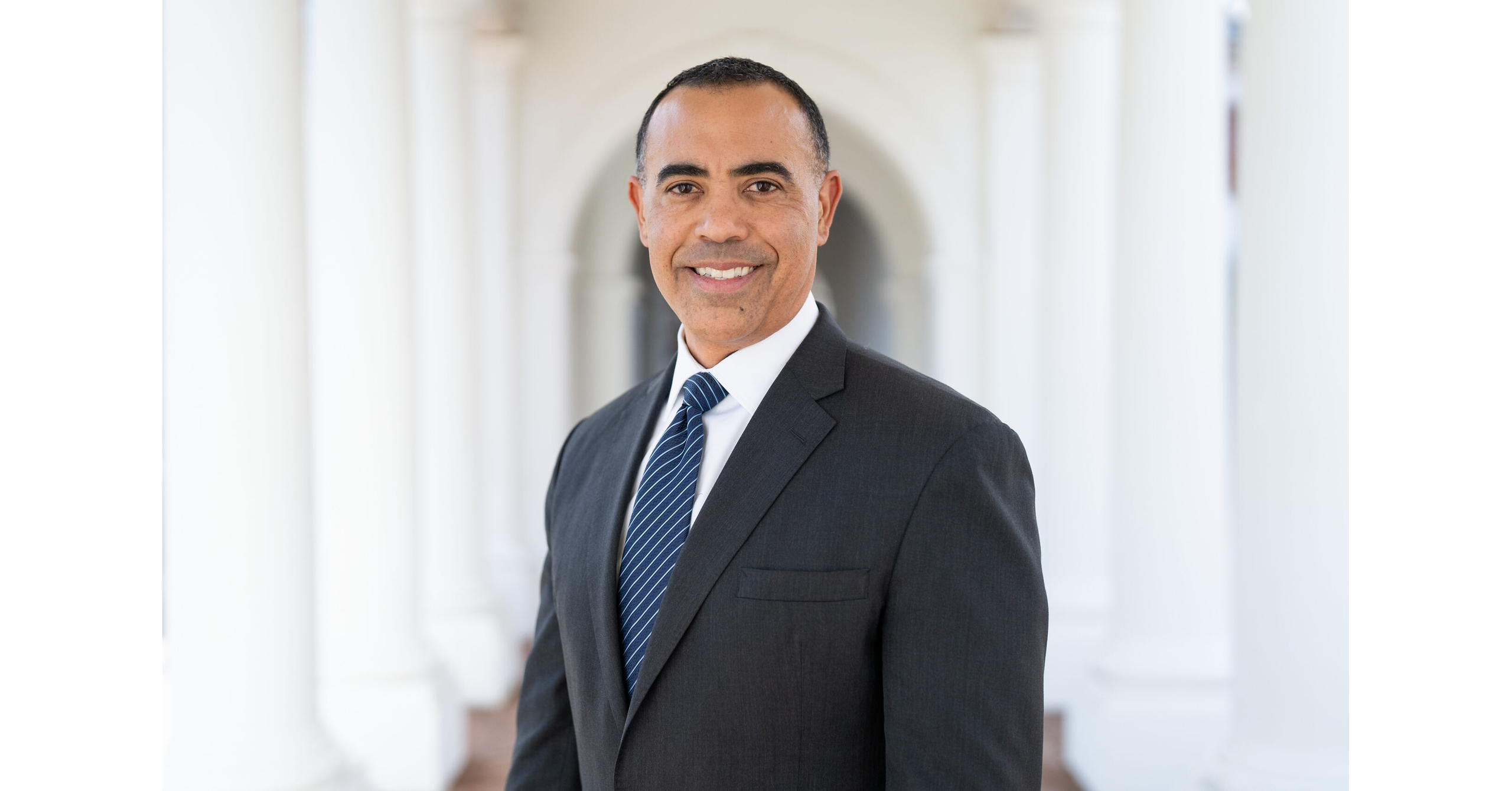
Rockefeller Brothers Fund appointed Ian H. Solomon as its eighth president and CEO, effective September 2026, replacing retiring president Stephen Heintz after 25 years. The announcement is focused on leadership succession for the private foundation’s mission to advance a more just, sustainable, and peaceful world, with no financial targets or market-impact metrics provided.
This is a governance-change event, not an investable catalyst. The only market-relevant channel is indirect: leadership at a prominent foundation can marginally reweight the NGO/policy ecosystem over 6-18 months, which may alter pressure on climate, labor, and corporate-governance narratives. That matters for sentiment-sensitive sectors, but the transmission is too diffuse to justify a directional equity trade today.
For listed markets, the second-order effect would show up first in advocacy intensity, not fundamentals: more grant support for climate litigation, stewardship campaigns, or policy convening could keep ESG-related headline risk elevated for energy and heavy industry, while simultaneously supporting the ecosystem around advisory, proxy, and sustainability-reporting providers. But absent evidence of asset-allocation changes, programmatic shifts, or public policy priorities, the base case is continuity rather than a regime change.
Contrarian view: investors often overtrade named-person changes at large foundations because they sound like signal, but the real driver is board mandate and capital deployment, not the CEO biography. The falsifier for any thesis here would be an observable shift in grant mix, public policy advocacy, or endowment/outsourced-manager selection; until then, this is noise with no clear P&L link. For JD specifically, there is no direct read-through.
AI-powered research, real-time alerts, and portfolio analytics for institutional investors.
Request DemoOverall Sentiment
neutral
Sentiment Score
0.10
Ticker Sentiment
