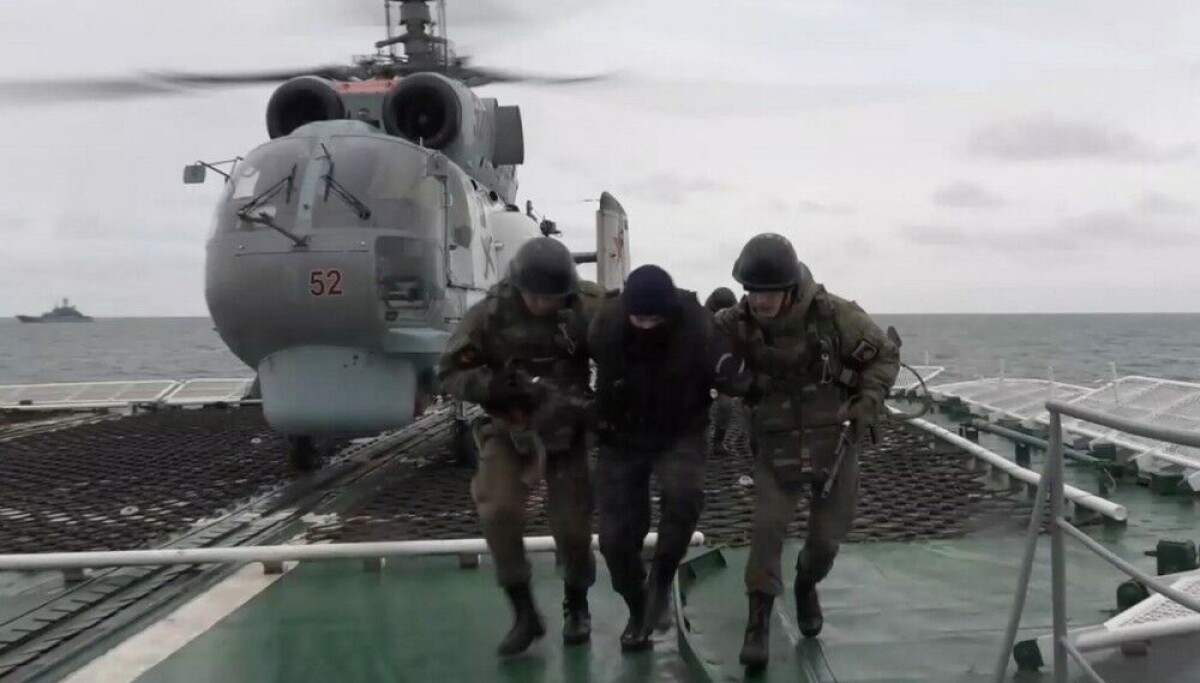
The Russian Maritime Board, chaired by security aide Nikolai Patrushev, approved measures on Jan. 21 to protect Russian shipping interests—likely including deployment of naval forces—to shield a sanctioned 'shadow fleet' after a string of foreign boardings (Dec. 31 seizure of Fitsburg, U.S. action against Marinera, Jan. 22 French boarding of Grinch). Investigations and tracking show more than 50 shadow tankers transited toward Murmansk from Oct. 2025–Jan. 2026, incidents of naval escorts (Northern Fleet destroyer Severmorsk on Jan. 10) and identity fraud (tanker 'Tavian' with a false IMO on Jan. 16). The move raises geopolitical and security risks for oil shipping, with potential knock-on effects for insurance costs, freight rates and energy-market volatility should naval protection and countermeasures escalate.
Market structure: Naval protection of a sanctioned “shadow fleet” reallocates pricing power to compliant, modern tanker owners and to defence and reinsurance suppliers. Expect spot tanker freight and war-risk premia to rise in the near term (spot Dirty tanker rates could move +20–100% on key Arctic/Atlantic routes) while older/opaque owners face de facto exclusion from Western ports and insurance pools.
Risk assessment: Tail risks include a maritime clash or broadening interdictions that spike Brent by $15–$40 in days and push war-risk insurance +100–300% on impacted routes; conversely, Russian escorting could normalize flows and depress prices after 3–12 months. Immediate (days) risk = oil and shipping volatility; short-term (weeks–months) = insurance repricing and rerouting costs; long-term (quarters–years) = regulatory tightening and consolidation of compliant tanker owners.
Trade implications: Tactical winners are defence (LMT, NOC, GD), reinsurers (RNR, MKL) and Brent exposure (BNO/Brent futures); losers are small/older tanker owners and marine insurers with large sanctioned exposures. Options should be used to express asymmetric exposure (short-dated calls on Brent, 3–6 month calls on defence) while preserving capital against rapid mean reversion.
Contrarian angles: Consensus assumes persistent supply shock; upside is conditional — if Russian navy escorts reduce seizures, oil could revert within 3–6 months. Historical parallels (2019 tanker incidents) show spikes often retrace; the durable winners will be large, insured tanker owners and firms capturing higher insurance spreads rather than shadow-owners or one-off spec positions.
AI-powered research, real-time alerts, and portfolio analytics for institutional investors.
Request DemoOverall Sentiment
moderately negative
Sentiment Score
-0.40
