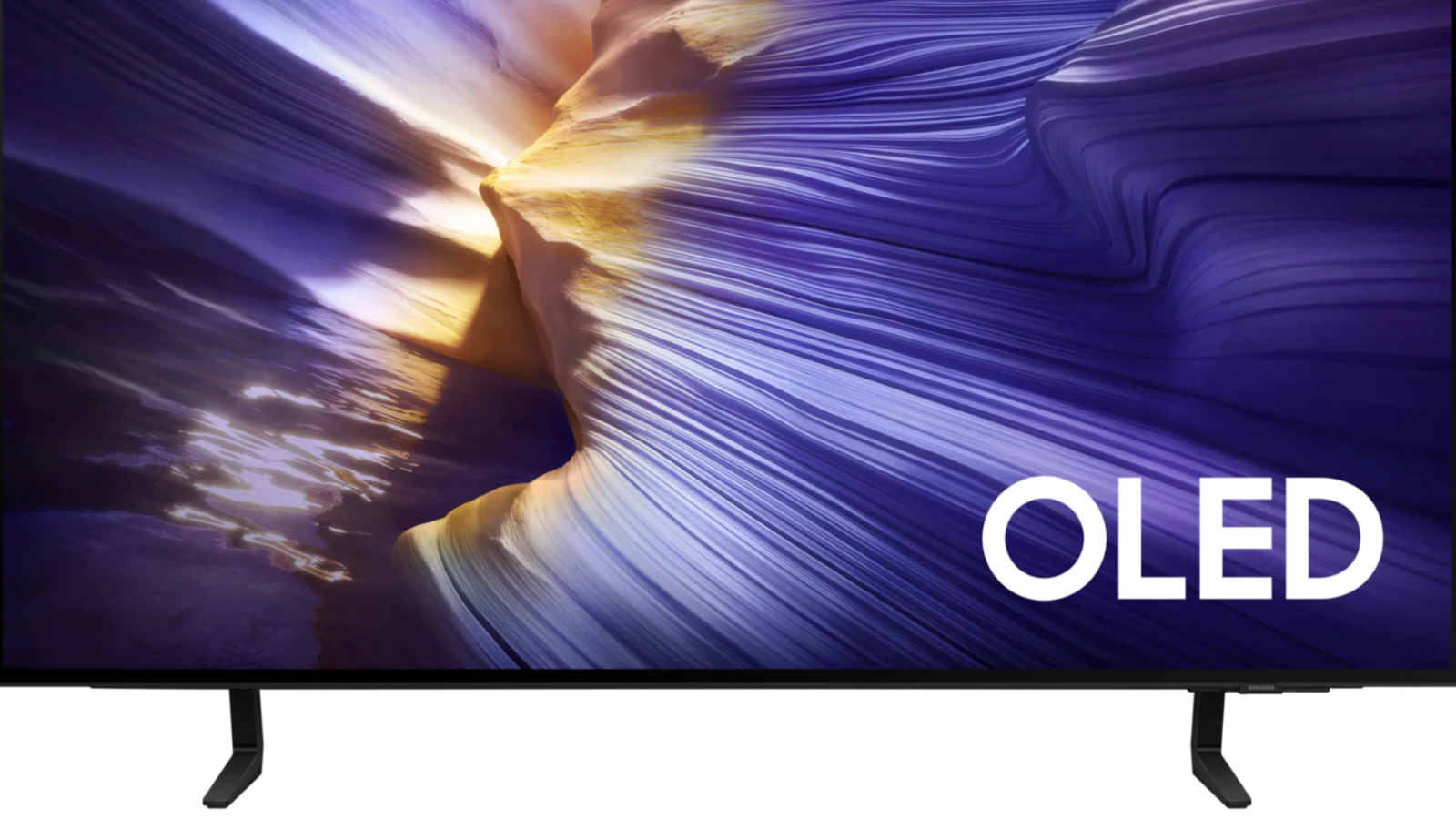
A Super Bowl TV buying guide highlights several discounted and recommended models emphasizing AI-driven upscaling, mini‑LED and QD‑OLED panel technologies, and enhanced audio for sports viewing—notably Samsung’s large 4K models with voice control and AI upscaling, Hisense mini‑LED 65" and U8 Series models with advanced dimming and Dolby audio, and Samsung’s 42" S90F QD‑OLED. The piece is a consumer-focused product roundup with no financial metrics or company guidance; it suggests potential short‑term retail demand lift for big‑screen, feature‑rich TVs around the event but carries negligible direct market-moving information.
Market structure: Big winners are smart-TV OEMs (Samsung/Hisense equivalents), platform owners that ship OSes (ROKU) and chipset suppliers (TSM/QCOM/MTK) as Super‑Bowl-driven replacement demand lifts 65–85" SKUs; losers are legacy linear/cable ad sellers (CMCSA/DIS linear units) and low‑end panel makers facing margin pressure. Heavy promotional activity implies OEM ASP compression of ~100–300 bps seasonally while Roku benefits from incremental ad-impressions if engagement rises 5–10% during the event. Short-term spot panel tightness can support component suppliers for 4–8 weeks before channel inventory normalizes over 3–6 months.
Risk assessment: Tail risks include supply shocks (China/Taiwan), renewed chip shortages, or regulatory limits on targeted streaming ads — any could cut Roku ad revenue >15% and widen OEM margin hits within 3–12 months. Immediate (days/weeks) risk is cannibalization from discounts (potential 10–20% ASP hit on promoted models); medium term (quarters) risk is macro-driven discretionary spend declines >10% YoY. Hidden dependency: durable uptake depends on replacement cycles and post-game platform engagement converting trial users to ad/svc revenue.
Trade implications: Tactical longs: platform exposure (ROKU) and semiconductors (TSM/QCOM) for AI/upscaling chip demand; retail play (BBY/AMZN) near-term for Super‑Bowl spend. Use option structures to limit capital: 3‑month call spreads on ROKU 20–30% OTM financed by short near-term calls if IV elevated. Pair trade: long BBY vs short CMCSA for 3 months to capture retail upgrade vs legacy ad weakness; size positions small (1–2% portfolio) and re-evaluate after retail Q4 prints (30–45 days).
Contrarian angles: Consensus overestimates permanent platform conversion from a one-off Super‑Bowl purchase — historical holiday TV spikes (2016–18) produced one-quarter revenue bumps, not multi-year ASP expansion. If OEMs sustain deep discounts, margin erosion could trigger consolidation benefiting larger vertically integrated players (AMZN/GOOGL) over Roku. Key mispricing risk: Roku upside is underappreciated only if MAU/ARPU lift persists >3% QoQ; if not, short-term rally will reverse quickly.
AI-powered research, real-time alerts, and portfolio analytics for institutional investors.
Request DemoOverall Sentiment
mildly positive
Sentiment Score
0.30
Ticker Sentiment
